
How To
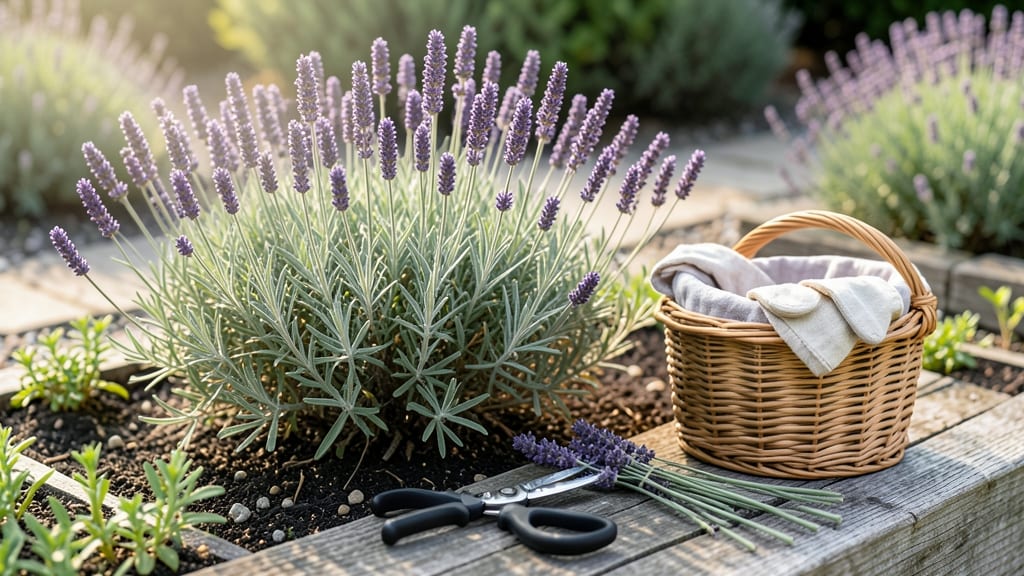
Harvesting French lavender at the perfect stage transforms its silvery buds into fragrant treasures for sachets, cooking, or potpourri—and timing is everything to avoid stunting your plant.
Picture this: you’ve nurtured your 🌸 French lavender all season, and now those plump purple buds are just days from bursting into bloom. That’s your cue—harvest too early, and the oil content fizzles; wait too long, and the stems turn woody.
The secret lies in those firm, closed buds, when the scent is strongest and the plant can bounce back strongest.
Beyond the right moment, the tools and technique matter just as much. A sharp pair of pruners, the correct cutting angle, and knowing which stems to snip (hint: skip the leggy ones) make all the difference.
Skip these steps, and you risk weakening your plant—or worse, ending up with brittle, low-quality harvests.
In this guide, I’ll walk you through the 3-step cutting method, when to harvest in your zone, and how to dry and store your lavender so it stays potent for months. No more guesswork—just silver buds and happy plants.
When to harvest French lavender: identifying the perfect silver bud stage
Harvesting French lavender at the right moment transforms your garden into a fragrant goldmine. The key lies in recognizing the silver bud stage, where the buds are plump, firm, and just beginning to open.
This stage ensures maximum aromatic oils and culinary quality, whether you're drying for sachets or using fresh in recipes. Timing is everything—harvest too early, and you'll miss the peak fragrance; too late, and the buds lose their signature silver hue and potency.
French lavender typically reaches harvest readiness between late spring and early summer, depending on your USDA zone. In Zone 6a (like much of the Midwest), aim for June to early July when daytime temperatures consistently reach 70-80°F.
Cooler climates may delay harvest by 2-3 weeks, while warmer regions could see earlier readiness. Always prioritize morning harvests when essential oils are most concentrated and dew has evaporated.
Visual cues are your best guide. Look for bud clusters that are plump and woody, not soft or green. The buds should be silver-gray with just a hint of purple at the tips—this indicates they're about to bloom.
Crush a few stems between your fingers: a strong, sweet fragrance confirms readiness. If the stems smell weak or the buds are still tightly closed, wait 3-5 days before harvesting again.
Environmental factors play a huge role in harvest timing. Full sun exposure (6+ hours daily) accelerates growth, while well-draining soil prevents stress that can alter bud development. If your lavender receives partial shade, buds may mature more slowly.
Drought conditions can also delay readiness, so monitor soil moisture—French lavender thrives with minimal water, but prolonged dry spells may stunt growth. A deep watering 2-3 weeks before harvest can actually enhance oil content.
🌸 How to Spot the Perfect Harvest Stage
- Bud Color: Silver-gray with purple tips—never fully green or brown.
- Bud Firmness: Plump and woody to touch, not soft or mushy.
- Stem Condition: Woody but flexible, not brittle or overly hard.
- Fragrance Test: Crush stems—intense, sweet scent means it's ready.
- Bloom Stage: 10-20% open—buds should be just about to bloom.
Pro Tip: Harvest on a dry, sunny morning after dew has evaporated for the best quality.
Seasonal timing is critical for French lavender health. Avoid harvesting during peak summer heat (July-August in many zones), as this can stress the plant. Instead, focus on early to mid-summer harvests when the plant has recovered from spring growth but hasn't yet entered dormancy.
In cooler climates, you might get two harvests per season—once in late spring and again in early fall. Never harvest more than 1/3 of the plant at once to ensure it can regenerate for next year's blooms.
Climate also dictates harvest windows. In dry, Mediterranean climates, lavender may bloom earlier and require more frequent harvesting. In humid regions, buds may take longer to mature due to slower drying conditions.
If you notice bud rot or mold, this is a sign your climate is too moist—consider harvesting earlier or improving airflow around the plant. A well-pruned lavender bush in full sun will always yield the best harvests.
Over-harvesting is a common mistake that can kill your French lavender plant. If you take too many stems at once, the plant may struggle to recover, leading to bare stems and reduced blooms the following year.
To avoid this, space harvests 4-6 weeks apart and always leave healthy green leaves at the base of the stems. These leaves photosynthesize, providing energy for next year's growth. If your plant looks stressed after harvest, give it a light fertilizer (5-10-10) and extra water to help it recover.
One final trick: Harvest in stages if your plant is large. Start with the outermost stems first, moving inward. This allows sunlight to penetrate the center, encouraging even growth. Always use clean, sharp pruners to make 45-degree cuts just above a leaf node.
This promotes bushier growth and prevents disease. After harvesting, never leave cut stems lying on the ground—remove them to reduce pest attraction and improve airflow.
With practice, you'll develop an eye for the perfect silver bud stage. The more you harvest, the better you'll understand your plant's unique rhythm.
Soon, you'll be timing harvests like a pro, ensuring every French lavender stem you cut is at its peak—fragrant, potent, and ready for your next project. 🌿
Step-by-step French lavender cutting technique for maximum yield
Harvesting French lavender correctly ensures your plants stay healthy and produce abundant silver buds for years. The right cutting technique prevents damage while maximizing yield—whether you're harvesting for drying, culinary uses, or potpourri.
I’ve refined my method over years of gardening, and these three key steps will help you get the most from your lavender bushes without sacrificing their future growth.
Before you begin, gather your tools: a pair of sharp pruning shears or clean scissors, a bucket or basket for harvests, and a drying rack or paper bags if you plan to dry the stems immediately.
Avoid dull tools—they crush stems and reduce oil content. Work on a dry, sunny morning when the buds are fully plump but haven’t yet opened fully. This timing captures the peak fragrance and essential oils.
How to Harvest French Lavender in 3 Steps
- 1 Select the right branches: Choose non-flowering stems with plump buds that are just beginning to open. Avoid cutting more than one-third of the plant at once to prevent stress. Look for stems that are woody but flexible, not soft or overly mature.
- 2 Cut at the correct angle: Use your pruning shears to make a clean, diagonal cut just above a leaf node or side branch. This encourages new growth from the base. Cut stems to a length of 12–18 inches—long enough for drying but not so long they flop over. Remove any yellow or woody lower stems to focus energy on fresh growth.
- 3 Post-harvest care: Immediately bundle stems in small groups and hang them upside-down in a dry, dark, well-ventilated space (like a closet or shed). Avoid direct sunlight, which can bleach the buds. Store fresh lavender in the fridge for up to 2 weeks if you’re not drying it right away, but for long-term use, drying is best.
🌸 Pro Tip: Label your bundles with the harvest date to track drying progress.
After harvesting, give your lavender plants a light drink of water to recover, especially if the weather is hot. Avoid fertilizing immediately—let the plant focus on regrowing. If you’re harvesting multiple times in a season, space cuts 4–6 weeks apart to allow the plant to recover.
Over-harvesting can lead to bare stems and reduced blooms next year, so always prioritize plant health over yield.
Once dried, your lavender will retain its aromatic oils and vibrant color for months. Use it in sachets, potpourri, or homemade lavender oil. If you notice any brown or moldy stems during drying, remove them immediately to preserve the rest of your harvest.
With this method, you’ll enjoy a steady supply of fragrant lavender while keeping your plants thriving for seasons to come.
💧 Remember: The key to a thriving lavender plant is balance—harvest wisely, and your garden will reward you with abundant blooms year after year.