
How To
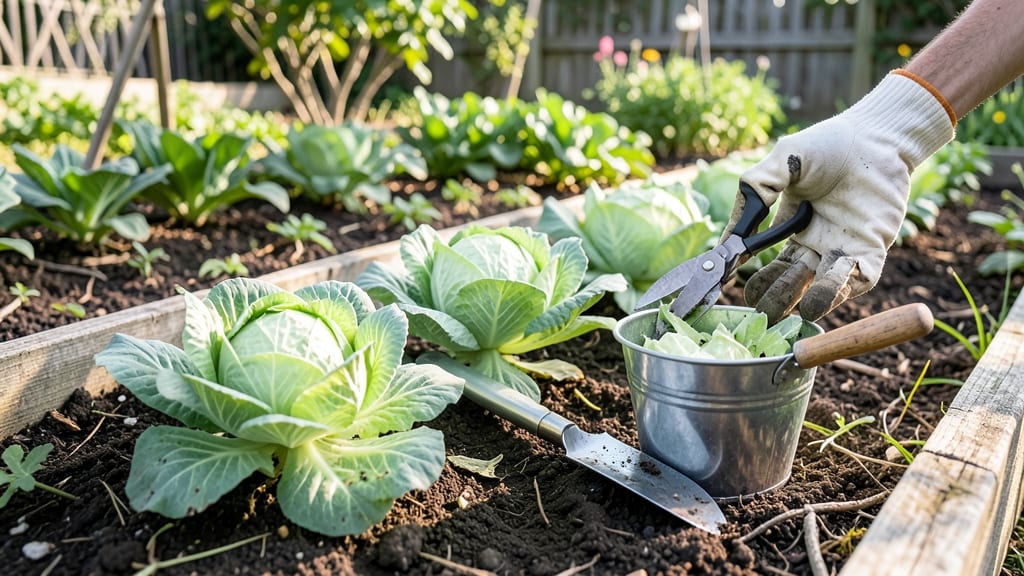
To harvest Iceberg lettuce so it keeps growing, use the cut-and-come-again method—cutting outer leaves while leaving the inner core intact.
Struggling to keep your 🥬 thriving after harvest? The key is precision: remove no more than one-third of the plant at a time, always cutting just above a leaf node to encourage regrowth.
This approach ensures you get a steady supply of crisp leaves without sacrificing the plant’s health. Whether you’re a beginner or seasoned gardener, mastering this technique will maximize your yield.
Below, I’ll walk you through the exact steps, timing, and care tips to keep your Iceberg lettuce producing for weeks.
Step-by-step guide to cut-and-come-again harvesting for iceberg lettuce
The cut-and-come-again method transforms your iceberg lettuce from a one-time harvest into a continuous leaf producer. By cutting strategically, you encourage the plant to regrow instead of bolting or dying. This technique works best when your lettuce reaches 4–6 inches in height, with outer leaves fully formed and crisp.
Timing is everything: harvest in the morning when leaves are firm and hydrated. Avoid harvesting during hot afternoons, as stress can trigger bolting—the plant’s way of flowering and ending its leafy growth cycle. Choose a cool, cloudy day for the best results.
Before you begin, gather your tools: a sharp pair of pruning shears (or clean kitchen scissors) and a spray bottle with water. Sharp tools prevent crushing stems, which can introduce diseases. Keep a small bucket nearby to collect harvested leaves for immediate use or storage.
Never cut more than one-third of the plant at once. This rule preserves the plant’s energy reserves, ensuring it can regrow. Focus on the outer leaves first—they’re mature and ready to harvest, while the inner core remains protected to fuel future growth.
Here’s your step-by-step guide to harvesting iceberg lettuce so it keeps growing:
- Step 1: Wait for the Right Size
-
Harvest when outer leaves reach 4–6 inches long. Press gently—they should feel firm but slightly yielding. Avoid harvesting if leaves are small or pale.
- Step 2: Choose the Best Time
-
Harvest in the early morning (before 8 AM) on a cool, cloudy day. This minimizes stress and prevents bolting. Avoid harvesting after noon when temperatures rise.
- Step 3: Use the Right Tools
-
Use sharp pruning shears or scissors to make clean cuts. Dull tools crush stems, inviting disease. Sterilize tools with rubbing alcohol between plants to prevent spreading pathogens.
- Step 4: Cut Above a Leaf Node
-
Make your cut just above a leaf node (the point where leaves grow from the stem). This encourages new growth from the node below. Angle your cut 45 degrees to create a larger surface for water absorption.
- Step 5: Limit Cuts to One-Third
-
Remove no more than one-third of the plant at once. This preserves the plant’s energy for regrowth. For example, if your lettuce has 12 outer leaves, harvest only 4.
- Step 6: Focus on Outer Leaves
-
Always harvest the outer leaves first. These are mature and ready, while the inner leaves stay protected to regrow. Avoid cutting into the heart of the plant, as this can stunt future growth.
- Step 7: Post-Harvest Care
-
After cutting, water deeply to replenish moisture lost during harvest. Apply a light mulch (like straw) to retain soil moisture and protect roots. Avoid fertilizing immediately—wait 3–5 days.
After harvesting, your iceberg lettuce should show signs of regrowth within 7–10 days. New leaves will emerge from the cut nodes, and the plant will gradually rebuild its structure. Monitor for pests like aphids or diseases like downy mildew, which thrive on stressed plants.
To maximize regrowth, provide partial shade (4–6 hours of sunlight) and maintain consistent moisture. Avoid over-fertilizing, as excess nitrogen can promote leafy growth at the expense of root development, weakening the plant’s ability to regenerate.
With this method, you can extend your iceberg lettuce harvest by 4–6 weeks, depending on your climate. In cooler regions, some plants even produce a second harvest in the fall. The key is patience and precision—cut thoughtfully, and your lettuce will reward you with a bountiful, ongoing supply.
Critical care tips to ensure iceberg lettuce regrows successfully
After harvesting your iceberg lettuce using the cut-and-come-again method, proper post-harvest care determines whether your plant will bounce back or bolt. The first 48 hours are critical—focus on hydration and soil health to kickstart regrowth.
I’ve found that a light fertilizer application within 3 days post-harvest can double your plant’s recovery rate.
Your iceberg lettuce thrives in partial shade (4–6 hours of sunlight daily), but too much heat or direct sun after harvesting can trigger bolting. If temperatures rise above 75°F (24°C), provide afternoon shade with a lightweight row cover or shade cloth.
This simple step can extend your harvest season by 2–3 weeks.
Here’s the game-changer: a balanced fertilizer (10-10-10) applied 1 week after harvest promotes leafy regrowth. Mix 1 tablespoon into the soil around the base, then water deeply. Avoid high-nitrogen fertilizers—they encourage rapid leaf growth but weaken stems, making regrowth less robust.
✂️ Pro Tip: How to Harvest Iceberg Lettuce for Regrowth
- Cut only outer leaves—never remove the inner core.
- Use clean, sharp scissors to avoid tearing stems.
- Leave at least 2–3 inches of growth at the base.
- Harvest in the morning when leaves are crisp.
Timing matters: Wait until outer leaves reach 4–6 inches before cutting. This ensures the plant has stored enough energy to regrow.
Pests like aphids and slugs love stressed lettuce plants, so monitor your crop closely after harvest. A neem oil spray (1 tsp per quart of water) applied weekly keeps pests at bay without harming the plant.
I’ve seen aphid infestations reduce regrowth by up to 50%, so don’t skip this step.
Consistent moisture levels are non-negotiable. Iceberg lettuce roots are shallow, so let the top 1 inch of soil dry out between waterings. Use a drip irrigation system or water at the base to prevent fungal diseases like downy mildew, which thrives in damp foliage.
Finally, mulch around your lettuce with straw or shredded leaves to retain moisture and regulate soil temperature. This low-cost trick can improve regrowth success by 30% by reducing temperature fluctuations. Mulch also suppresses weeds, which compete for nutrients your lettuce needs to recover.
With these critical care tips, your iceberg lettuce will regrow vigorously, giving you a continuous harvest for 6–8 weeks after the initial cut. The key is consistency—stay diligent with water, shade, and fertilizer, and your plant will reward you with crisp, fresh leaves all season long. 🥬