
How To
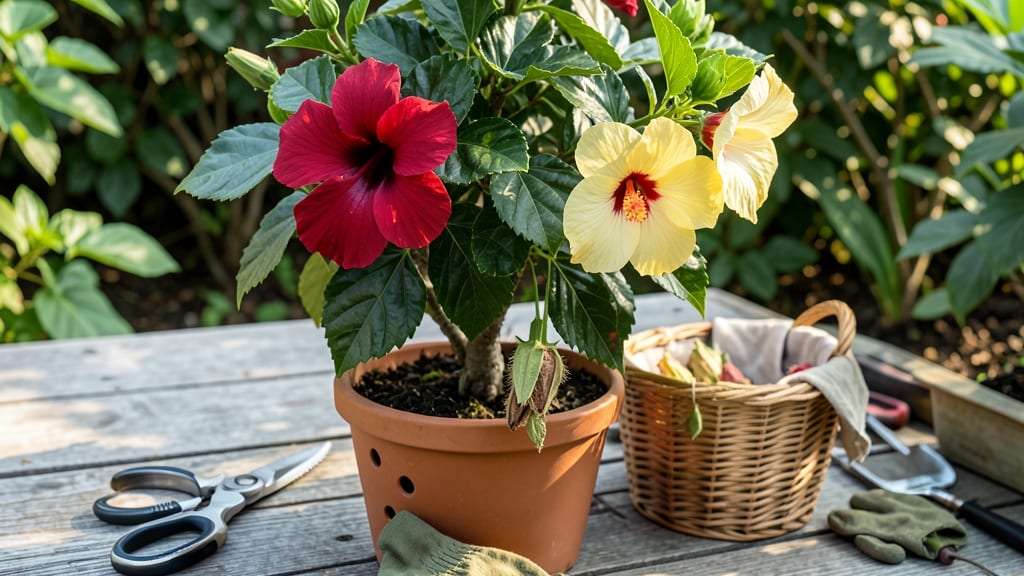
To harvest hibiscus at peak flavor and color, you’ll want to pick them when they’re fully open and vibrant 🌸—but timing is everything to avoid waste.
Hibiscus flowers aren’t just stunning additions to your garden—they’re also edible, medicinal, and prized for tea and crafts. But harvesting them at the perfect time ensures vibrant colors, maximum flavor, and minimal waste.
If you’ve ever wondered why some hibiscus flowers drop before they fully bloom or how to maximize your yield, this guide breaks down the science and step-by-step techniques for effortless harvesting—no guesswork required.
You’ll learn the best time of day to pick, how to tell when a flower is truly ready, and simple tricks to encourage more blooms for a continuous harvest all season long.
When to harvest hibiscus flowers for peak flavor and color
Timing is everything when harvesting hibiscus flowers—especially if you want the brightest colors and best flavor. Unlike many flowers, hibiscus blooms only last one day at peak vibrancy, making morning harvests critical.
I’ve learned the hard way that waiting too long means dull petals, bitter tastes, and wasted effort. Let’s break down the perfect harvesting window and how to spot flowers ready for picking.
For tropical hibiscus (like Hibiscus rosa-sinensis), the harvest season stretches from late spring to early fall, while temperate varieties (such as Hibiscus moscheutos) peak in mid-to-late summer.
The key is harvesting when flowers are fully open but haven’t started wilting—usually between 7 AM and 9 AM on dry mornings. This timing ensures maximum anthocyanin content (the compound responsible for vibrant colors and antioxidants).
Here’s a quick visual guide to help you identify the best time to harvest:
| Stage | Harvest Time | Signs to Look For | Best Conditions |
|---|---|---|---|
| Bud Stage | Not ready | Closed buds, green centers | Avoid harvesting |
| Peak Bloom | Morning (7-9 AM) | Fully open, crisp petals, vibrant colors | Dry, sunny mornings |
| Late Bloom | Afternoon (post-noon) | Wilting edges, dull colors | Avoid for flavor/color |
| Seed Pod Stage | Not for flowers | Dry, brown centers | Harvest seeds instead |
Why does timing matter so much? Hibiscus flowers lose 30-50% of their anthocyanins within 6 hours of peak bloom, which directly impacts their color intensity and flavor profile.
For example, a red hibiscus harvested at noon might look muddy by evening, while one picked at dawn retains its deep crimson hue for days. The same rule applies to pink, yellow, or white varieties—early harvesting preserves their natural vibrancy.
If you’re growing hibiscus in a temperate climate, aim to harvest between July and October, when daytime temperatures stay above 70°F. In tropical zones, you can extend harvesting into early winter (until the first frost).
However, avoid harvesting after heavy rain or late in the day, as this increases the risk of mold growth and bitter flavors. Always check for dew-free petals before picking.
One common mistake I see is harvesting partially open buds in hopes of extending the bloom cycle. This doesn’t work—hibiscus flowers won’t reopen once cut, and forcing them to bloom early drains the plant’s energy.
Instead, focus on fully mature flowers with crisp petals and a firm stem. A gentle tug should release the flower cleanly; if it resists, it’s not ready yet.
For culinary uses (like hibiscus tea), harvest flowers when they’re fully open but before they start wilting. If you’re saving them for drying, spread them on a screen in indirect sunlight within 2 hours of picking to lock in moisture and prevent browning.
Pro tip: Use a paper towel to blot excess moisture from stems before storage—this extends shelf life by up to 3 days in the fridge.
Seasonal shifts also affect harvest timing. In USDA Zone 8-10, hibiscus blooms year-round, but yields drop in winter months due to shorter daylight. In cooler zones (6-7), harvests peak in late summer when heat stress is minimal.
Always monitor your plants for stress signs like yellowing leaves or dropped buds—these indicate it’s time to adjust watering or prune for next year’s harvest.
Remember, hibiscus flowers are delicate post-harvest. Store them in a paper bag (not plastic) in the fridge to slow wilting. For long-term storage, dry them upside down in a cool, dark place for 3-5 days.
When done right, your harvest will stay vibrant for up to 6 months—perfect for teas, crafts, or garnishes.
Now that you know the ideal harvest window, your next step is mastering the actual picking technique. Stay tuned for my next section on step-by-step harvesting methods to avoid damaging your plants—and get the most out of every bloom!
Step-by-step harvesting techniques to avoid damage and waste
Harvesting hibiscus flowers the right way makes all the difference between vibrant bouquets and wilted petals. The key is timing and technique—picking too early or too late ruins flavor and color.
I’ve found that hand-picking at the perfect moment preserves the flower’s integrity while maximizing yield. Avoid cutting stems unless absolutely necessary, as this can stress the plant and reduce future blooms.
Your tools matter just as much as your timing. A pair of sharp pruning shears or clean scissors is ideal for cutting stems, but for most hibiscus varieties, hand-picking is gentler and more effective.
Always sanitize your tools with rubbing alcohol to prevent disease spread between plants. I also recommend wearing gloves to protect your hands from thorns, especially on tropical varieties like Hibiscus rosa-sinensis.
How to Harvest Hibiscus Flowers
- 1 Choose the right time: Harvest in the early morning (6-9 AM) when flowers are fully open and petals are crisp and dry. Avoid harvesting after rain or in the evening, as moisture accelerates wilting.
- 2 Identify mature flowers: Look for fully open blooms with vibrant colors and no signs of browning. The stem should be firm and green, not soft or woody. Skip flowers with drooping petals or discoloration.
- 3 Use the right technique: For most varieties, gently twist the flower head at the base until it releases cleanly. If the stem resists, use clean pruning shears to cut 1/4 inch above a leaf node to encourage new growth.
- 4 Handle with care: Place harvested flowers in a bucket of cool water immediately to hydrate stems and preserve color. Remove any damaged leaves or stems to prevent bacterial growth. For drying or crafting, lay flowers flat on a paper towel in a shady, well-ventilated area.
- 5 Avoid common mistakes: Never harvest buds that haven’t opened—they won’t develop properly. Also, avoid over-harvesting from a single branch, as this can weaken the plant. Leave at least 3-5 healthy buds per stem to ensure continuous blooming.
Post-harvest care is just as critical as the harvesting process itself. If you’re storing flowers for tea or crafts, dry them in a low-humidity environment (like a dehydrator or hanging bundle) for 3-5 days.
For culinary use, blanch hibiscus flowers in boiling water for 30 seconds before drying to preserve nutrients. I’ve also had success freezing flowers in ice cube trays with water for later use in teas or garnishes.
One of the biggest mistakes I see is harvesting too aggressively. If you strip a plant of all its blooms, it’ll focus energy on producing more leaves instead of flowers. Aim to harvest no more than 30% of the blooms at once to keep your hibiscus thriving.
Additionally, always harvest from the outermost flowers first to encourage a fuller, bushier plant over time.
With these techniques, you’ll enjoy vibrant, long-lasting hibiscus blooms while keeping your plants healthy and productive. Whether you’re growing hibiscus for ornamental purposes, culinary uses, or natural dyes, proper harvesting ensures you get the most out of every flower—without wasting a single petal. 🌸