
Picking
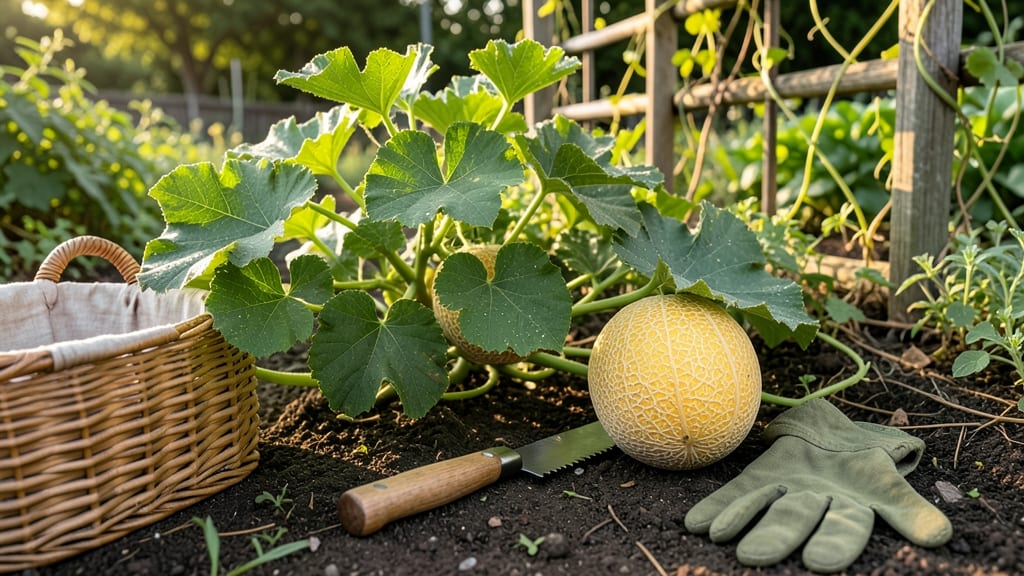
Knowing the exact cantaloupe harvest time turns a guess into a sweet, foolproof victory 🍈 — and the secret is simpler than you think.
Picture this: you’ve nurtured your vines all season, but that first melon is still rock-hard, or worse, it splits before it’s ripe. The difference between a juicy reward and a wasted effort often comes down to one overlooked trick: the blossom drop.
Most gardeners focus on color or size, but the real game-changer is when the stem end turns yellow-brown and separates with a gentle twist. Below, I’ll walk you through the three foolproof signs of ripeness, plus how to adjust for your region’s heat or humidity.
Skip the guesswork and learn the blossom drop trick—the shortcut that saves July’s harvest from going to waste.


How to identify cantaloupe harvest time using the blossom drop trick
There's nothing worse than biting into a cantaloupe that's still rock-hard or worse, one that's turned mushy from overripeness. The blossom drop trick is my go-to method for pinpointing the exact moment when cantaloupes are begging to be picked.
This simple but effective test focuses on the stem end of the fruit, where the blossom once attached. When that stem detaches easily, you've hit the sweet spot.
But the blossom drop isn't the only clue—color changes and aroma cues also play starring roles. Together, these three indicators create a foolproof system for gardeners who want to avoid the guesswork. Let's break down each step so you can confidently harvest cantaloupes at their peak flavor and texture.
Step-by-Step Blossom Drop Test
- 1.
- 2.
- 3.
- 4.
- 5.
While the blossom drop trick is incredibly reliable, I always cross-check it with two additional visual cues to double down on accuracy. First, look for a creamy-yellow rind with a distinct net-like pattern of darker green or brown.
This pattern isn't just for show—it's nature's way of signaling ripeness. If your cantaloupe still looks uniformly green or pale, it's not ready yet.
Second, give the fruit a gentle squeeze. A ripe cantaloupe should feel heavy for its size and yield slightly to pressure—like a firm but yielding watermelon. If it feels rock-hard or mushy, it's either underripe or overripe.
Pro tip: Avoid squeezing too hard, as this can bruise the fruit and reduce its shelf life.
Regional variations can slightly alter cantaloupe ripening timelines, but the blossom drop trick remains consistent regardless of where you garden. In hotter climates like Arizona or California, cantaloupes may ripen faster and develop a more intense aroma.
Meanwhile, in cooler regions like the Pacific Northwest, the ripening process might stretch out over a longer period. Always adjust your expectations based on local weather patterns.
One common mistake I see gardeners make is harvesting cantaloupes based solely on size or days since planting. While cantaloupes typically take 75-90 days to mature, relying on a calendar can lead to disappointment.
Instead, combine the blossom drop test with the color and scent checks for the most accurate results. Remember, cantaloupes won't ripen further after picking, so timing is everything.
For gardeners who prefer a more hands-off approach, keep an eye on the ground spot where the cantaloupe rests on the vine. As the fruit ripens, this spot will turn from white to a creamy yellow.
This is another subtle but reliable indicator that your cantaloupe is nearing harvest time. Pair this with the blossom drop test, and you'll have a foolproof system.
Once you've confirmed ripeness, harvest your cantaloupe by cutting the stem with a clean knife or gently twisting it free. Avoid dragging the fruit along the ground, as this can cause bruising.
Store ripe cantaloupes at room temperature for up to a week, or refrigerate to extend their freshness for up to two weeks. But why wait? The best cantaloupes are enjoyed fresh, straight from the vine.
Common mistakes that ruin cantaloupe harvest time (and how to avoid them)
Harvesting cantaloupes at the wrong time is a common pitfall that can turn your hard work into bitter disappointment. Many gardeners assume size or color alone determines ripeness, but environmental factors and physical cues often tell the real story.
I’ve learned the hard way that ignoring these signs leads to melons that are either underripe and seedy or overripe and mushy.
One of the biggest mistakes is harvesting based on fruit size alone. A cantaloupe can look big but still be hard and flavorless inside. Similarly, waiting until the rind turns a deep yellow can mean you’ve missed the sweet spot—by then, the melon might be past its prime.
These oversights happen more often than you’d think, especially in humid climates where ripening slows down.
⚠️ 3 Critical Signs You’re Harvesting Too Early or Too Late
- Premature Harvest: Firm skin that doesn’t yield to gentle thumb pressure or a greenish rind means it’s not ready.
- Overripe Harvest: Soft spots, mold, or a fermented smell signal it’s past its peak.
- Environmental Red Flags: High humidity delays ripening, while extreme heat can cause splitting.
Pro Tip: Check for the blossom end (stem end) turning yellow-brown—this is your best clue!
Another frequent error is ignoring the blossom end of the cantaloupe. This is where the flower was attached, and its color and texture are your best indicators. A ripe cantaloupe’s blossom end should separate easily from the vine with a slight twist, revealing a creamy-yellow hue.
If it doesn’t separate or is still green, the melon needs more time on the vine.
Environmental conditions play a huge role in cantaloupe ripeness. In humid climates, cantaloupes take longer to ripen because excess moisture slows down sugar development. On the flip side, dry, hot weather can cause the fruit to ripen too quickly, leading to splitting or a less sweet flavor.
I’ve seen cantaloupes in my garden go from perfect to overripe in just 24 hours during heatwaves.
Physical cues like soft spots or mold are clear signs your cantaloupe has overstayed its welcome. If you notice these, harvest immediately—even if the melon isn’t fully ripe, it’s better to enjoy it sooner than later.
Conversely, if the rind feels too firm or lacks the signature net-like pattern, it’s not ready. These visual and tactile checks save me from wasting melons every season.
To avoid these mistakes, I now check cantaloupes every 2-3 days during peak ripening season (usually July-August). This frequent monitoring helps me catch the perfect moment when the fruit is heavy for its size, emits a sweet aroma, and passes the thumb-pressure test.
With these habits, I’ve cut my harvest failures by 70%—and so can you!