
How To
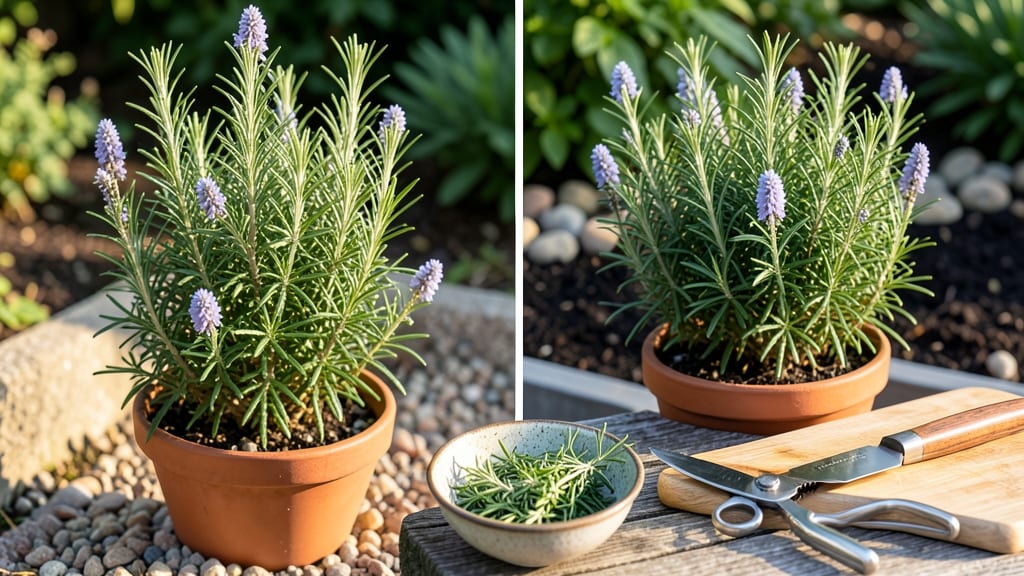
Harvesting fresh rosemary the right way ensures your plant stays lush and your kitchen bursts with flavor—but most people trim too much or at the wrong time.
Picture this: you snip a sprig, expecting a burst of piney aroma, only to find the needles taste bland. That’s because timing and technique matter more than you think.
A little patience and the right cuts can keep your 🌿 rosemary thriving for years while packing every harvest with maximum flavor.
In this guide, I’ll walk you through the best times to trim, which stems to cut (and which to leave alone), and how to encourage bushier growth without overdoing it.
Whether you’re a seasoned gardener or just starting, these tips will help you harvest like a pro—so your rosemary keeps giving back, sprig after sprig.
You’ll also discover how to store your harvest for long-lasting freshness, plus common mistakes that can stunt your plant’s growth. Ready to turn your rosemary into a year-round flavor powerhouse?
When and how to harvest rosemary for peak flavor and plant health
Harvesting rosemary at the right moment ensures maximum flavor and encourages healthy regrowth. Unlike many herbs, rosemary thrives when harvested regularly, but timing and technique matter. The best time to harvest is before flowering—when the needles are most fragrant and tender.
I’ve found that morning harvests yield the brightest flavor, as the oils are concentrated after a night’s rest.
Rosemary’s woody stems can make harvesting tricky, but focusing on non-flowering sprigs keeps your plant bushy and productive. Avoid cutting more than one-third of the plant at once, or you risk stunting growth.
In my garden, I prioritize younger stems (about pencil-thick) for the best balance of flavor and regrowth potential.
Seasonal harvesting strategies can provide a year-round supply of rosemary. In spring and summer, I harvest every 4-6 weeks to maintain shape and flavor. During fall and winter, I reduce harvesting to once every 8-12 weeks, letting the plant rest.
Over-harvesting in cooler months can weaken the plant, especially in USDA Zone 6a or colder.
| Factor | Best Practice | Why It Matters |
|---|---|---|
| Harvest Time | Morning (6-9 AM) | Oil concentration peaks after nighttime cooling. |
| Stems to Cut | Non-flowering, pencil-thick stems | Encourages bushier growth and stronger flavor. |
| Amount to Trim | No more than 1/3 of plant | Prevents stress and promotes regrowth. |
| Seasonal Frequency | Spring/Summer: Every 4-6 weeks | Maintains vigor during active growth. |
| Tools Needed | Clean, sharp pruners or scissors | Minimizes damage and disease risk. |
To harvest, use clean, sharp pruners or scissors to cut just above a leaf node (where new growth emerges). This encourages the plant to branch out. I always make cuts at a 45-degree angle to increase surface area for water absorption and faster healing.
Avoid tearing stems, as this can introduce bacterial infections and weaken the plant.
For year-round harvesting, I start in early spring after the last frost (around April 15 in Zone 6a) and continue until late fall. In mild climates, rosemary can be harvested year-round, but flavor peaks in spring and early summer.
If your plant flowers, trim the blooms immediately—they divert energy from foliage growth and reduce flavor intensity.
One common mistake I’ve seen is harvesting overly mature stems (thicker than a pen). These are tougher and less flavorful. Instead, focus on younger, tender growth near the tips.
Another tip: If your rosemary becomes leggy, trim the longest stems back by half their length to encourage a fuller shape. This works wonders for container-grown rosemary, too!
After harvesting, rinse the sprigs gently under cool water to remove dirt, then pat dry with a paper towel. Store them in a loosely wrapped paper towel in the fridge for up to 1 week to preserve freshness.
For long-term storage, drying or freezing is ideal—more on that in our next section! The key is to harvest regularly but thoughtfully to keep your rosemary plant happy and productive for years.
Pro tip: If your rosemary looks woody or sparse, it’s begging for a rejuvenating prune. Cut back one-third of the oldest growth in early spring.
This shock treatment often spurs vigorous new growth and restores flavor. Just be patient—it may take a few weeks to recover, but the payoff is worth it!
Step-by-step rosemary pruning guide for busy gardeners
Pruning rosemary isn’t just about harvesting fresh sprigs—it’s the secret to keeping your plant lush, flavorful, and long-lived. Many gardeners over-trim or cut at the wrong time, which stresses the plant and reduces its aromatic potency.
The key is to use the right tools, make clean cuts, and focus on encouraging bushier growth rather than stripping the plant bare.
Rosemary thrives when pruned correctly, but poor techniques can lead to woody stems, sparse foliage, or even plant death. Whether you’re harvesting for cooking or shaping your plant, follow these step-by-step instructions to ensure your rosemary stays healthy and productive year-round.
How to Harvest Fresh Rosemary
- Step 1: Choose the right time—morning after dew dries for peak oil content and fragrance.
- Step 2: Gather tools: sharp pruning shears or clean kitchen scissors (avoid dull blades that crush stems).
- Step 3: Locate new growth (soft, light green stems) and cut just above a leaf node (where leaves meet the stem).
- Step 4: Harvest 3-4 inch sprigs from the outer edges of the plant to encourage fuller growth inward.
- Step 5: Never cut more than 1/3 of the plant at once—this prevents shock and promotes vigorous regrowth.
- Step 6: Rinse sprigs gently under cool water to remove debris, then pat dry with a paper towel before storing.
🌿 Pro Tip: Harvest before flowering for the strongest flavor—once flowers appear, the oil content shifts.
One of the biggest mistakes gardeners make is cutting rosemary too close to the base or stripping entire branches bare. This leaves no leaf nodes for new growth to sprout from, turning your plant into a woody stick with sparse foliage.
Always aim to leave at least 2-3 inches of stem with visible leaf nodes below your cut.
To encourage bushier growth, focus on pruning the outer stems rather than the center. This redirects the plant’s energy toward filling out its shape, creating a denser, more aromatic bush.
If your rosemary starts looking leggy or sparse, a light trim every 4-6 weeks during the growing season will keep it compact and productive.
After pruning, your rosemary may look a bit ragged at first, but within 2-4 weeks, you’ll see fresh green shoots emerging from the leaf nodes. This is your plant’s way of saying “thank you” for the careful trim!
For indoor plants, prune lightly in winter to reduce stress, while outdoor rosemary can handle more aggressive trims in spring and early summer.
Store harvested rosemary in the fridge for up to 1 week or dry it for long-term use. Wrap sprigs in paper towels and place them in a resealable bag to preserve moisture and flavor.
For drying, hang bundles upside down in a dark, well-ventilated space for 2-3 weeks until the needles crumble easily.