
How To
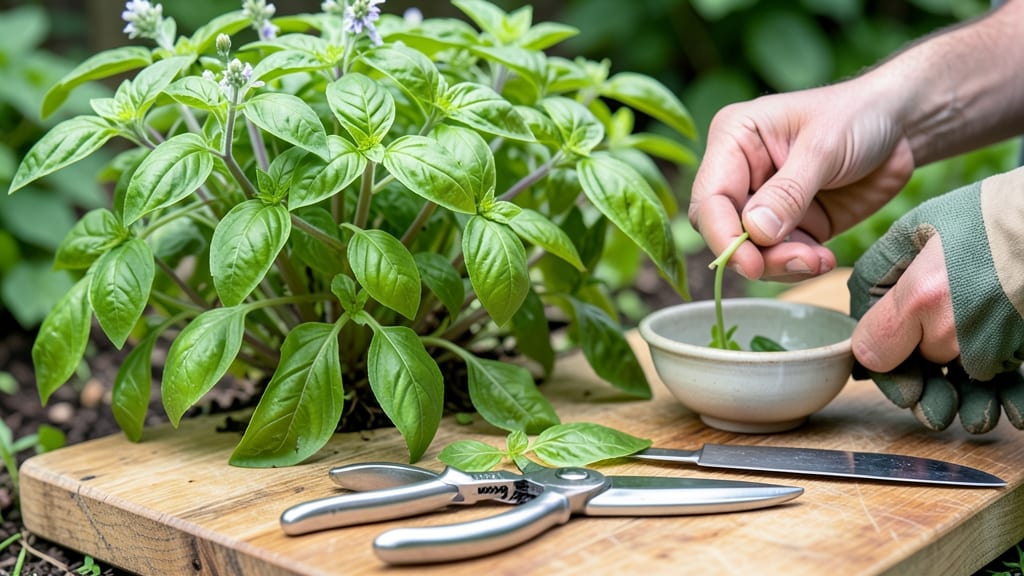
To harvest fresh basil at its peak flavor, you’ll want to pinch leaves just before flowering—this keeps the plant productive and prevents bitterness.
Picture this: you’ve nurtured your 🌿 basil all season, and now it’s ready to reward you with vibrant leaves. But one wrong cut can turn your prized herb into a woody, flavorless mess. The secret? Timing and technique matter more than you think.
Harvesting basil correctly isn’t just about snipping leaves—it’s about encouraging your plant to grow bushier and more flavorful. When done right, you’ll get a steady supply of fresh basil for pesto, salads, and sauces all season long.
In this guide, I’ll walk you through the exact steps to harvest basil, including when to start, how to prune properly, and tips to keep your plant thriving for weeks. Let’s get started!
When and how to pinch basil leaves for maximum flavor
Pinching basil leaves isn't just about harvesting—it's a flavor-preserving ritual that keeps your plant lush and productive. When done correctly, this simple technique prevents bitterness and encourages bushier growth. The secret lies in timing: harvest before the plant flowers, when essential oils peak.
I've learned that waiting too long turns sweet basil into a woody, bitter mess that ruins your pesto dreams.
Your basil plant signals readiness through leaf size and stem firmness. Look for broad, vibrant green leaves that are at least 2-3 inches long. These leaves contain the highest concentration of aromatic oils, which is why chefs and gardeners swear by morning harvests.
The 6-8 AM window gives you the freshest flavor, as oils concentrate overnight. I always grab my pruners and head outside first thing to snag the best leaves.
How to Pinch Basil Leaves for Maximum Flavor
- 1 Wait for the right size: Pinch leaves when they're 2-3 inches long—this ensures maximum flavor without stressing the plant.
- 2 Use clean pruners or fingers: Snip or pinch just above a leaf node (where leaves meet the stem) to encourage new growth.
- 3 Harvest in the morning: Pick leaves between 6-8 AM when essential oils are most concentrated.
- 4 Avoid the flowering stage: Stop harvesting when you see buds forming—this triggers bitterness and reduces flavor.
- 5 Leave 6-8 leaf pairs: Never remove more than 1/3 of the plant at once to prevent shock and promote regrowth.
The leaf node is where magic happens. When you pinch just above this point, you trigger the plant to produce new branches, creating a bushier, more productive basil plant. I've seen my compact varieties go from sparse to lush just by following this rule.
For Genovese basil, which is my favorite, I make sure to leave at least 6-8 pairs of leaves on each stem to keep the plant thriving.
Timing your harvests is just as crucial as technique. Basil plants produce more essential oils in the morning, which is why professional chefs and home gardeners alike swear by early harvests.
The cooler temperatures overnight allow the plant to concentrate its flavors, giving you that bright, sweet taste that disappears as the day heats up. I always set my alarm for 6 AM during peak harvest season to catch the best flavor.
If you miss the morning window, don't panic—just harvest by 10 AM to still get decent flavor. After that, the oils start breaking down, and the leaves lose their signature sweetness.
I've learned this the hard way after forgetting to harvest in the afternoon and ending up with bland basil. The 10 AM cutoff is my personal rule to maintain quality.
One common misconception is that you should harvest basil leaves randomly. But selective harvesting makes all the difference. Focus on the largest, most mature leaves first, as these contain the highest concentration of flavor compounds.
This approach lets the plant continue producing smaller, tender leaves that are perfect for garnishes. I always start with the outer leaves and work my way inward to keep the plant looking neat and productive.
Your basil plant will reward you with new growth within 7-10 days of proper pinching. This rapid response shows how resilient basil is when treated right. I've had my plants continue producing for months when I maintain this schedule.
The key is consistency—harvest regularly to encourage continuous growth rather than letting the plant go to seed.
For container-grown basil, which is perfect for patios or windowsills, the same rules apply but with slightly more caution. Since roots are more limited, never remove more than 20% of the plant at once.
I've found that container basil actually benefits from weekly pinching because it prevents the plant from becoming leggy in its confined space. The compact growth habit makes it ideal for small gardens or urban balconies.
Remember that bitter basil is a sign of stress or flowering. If you notice a sharp, medicinal taste, your plant is likely past its prime. At this stage, it's better to prune back severely and start fresh rather than trying to salvage the flavor.
I've had to do this a few times, but it's always worth it to get back to that sweet, aromatic basil we all love. With the right timing and technique, you'll enjoy bold, sweet basil all season long. 🌿
Common harvesting mistakes and how to Avoid them
Even experienced gardeners sometimes make harvesting mistakes that turn their basil plants into bitter, woody relics. The most common error? Harvesting at the wrong time or using the wrong technique. When you cut stems improperly or take too many leaves at once, your plant becomes stressed, and the flavor suffers.
Another frequent mistake is over-pruning—removing too many leaves at once. This shocks the plant and can stunt its growth. I’ve seen gardeners accidentally trim off flower buds, which signals the plant to stop producing leaves and focus on seed production instead.
The result? Fewer leaves for your kitchen and a plant that struggles to recover.
Let’s address these issues head-on. First, never harvest more than 1/3 of the plant at a time. This rule keeps your basil healthy and encourages bushier growth. Second, always cut above a leaf node—this is where new growth emerges.
Skipping this step means you’re cutting into the stem, which can lead to disease and slower recovery.
⚠️ Warning: Signs Your Basil Is Over-Pruned
- Yellowing leaves: A clear sign your plant is stressed from too many cuts.
- Stunted growth: If new leaves stop emerging, you’ve likely pruned too aggressively.
- Woody stems: Over-pruning causes stems to harden, reducing leaf production.
To recover, reduce harvesting, increase watering, and fertilize lightly with a balanced 10-10-10 mix to encourage regrowth.
If your basil shows signs of stress after harvesting, don’t panic. With the right care, it can bounce back. Start by reducing harvest frequency for 2-3 weeks and focus on keeping the soil moist but not soggy.
A light fertilizer application can also help revive growth. I’ve seen basil plants recover from over-pruning in as little as 2 weeks with consistent care.
Another key to avoiding mistakes is harvesting in the morning. This ensures you’re picking leaves with the highest flavor and oil content. Morning-harvested basil also has more time to recover before nightfall, reducing stress. Plus, the leaves stay fresher longer, making them ideal for recipes like pesto or salads.
Finally, watch for flower buds—they’re a red flag. Once your basil starts flowering, the leaves become bitter and less flavorful. Pinching off buds early encourages more leaf production. I’ve found that regular pinching (every 2-3 weeks) keeps my basil plants productive and flavorful all season long.
By avoiding these common mistakes, you’ll enjoy a steady supply of fresh, flavorful basil all season. Happy harvesting!