
How To
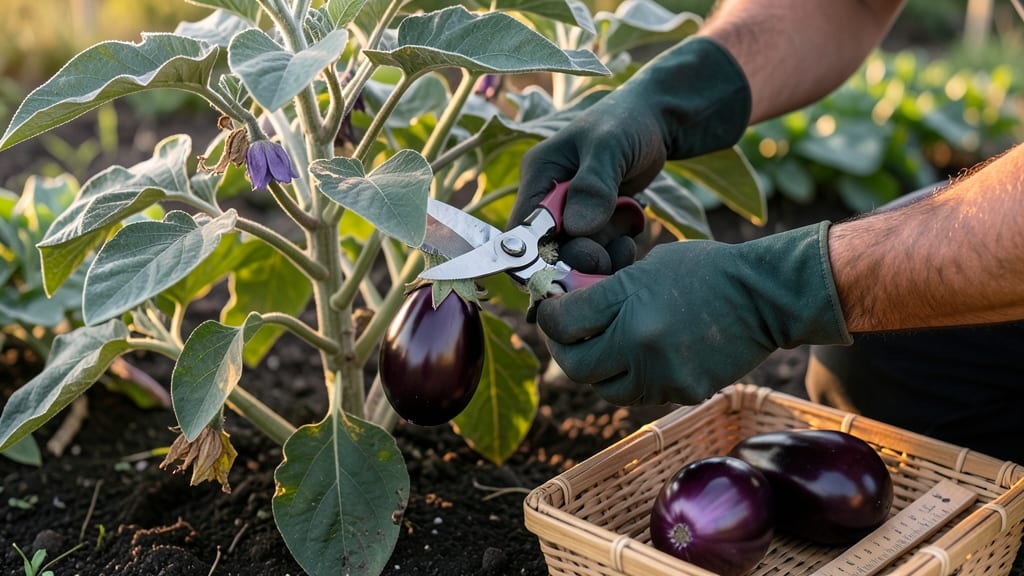
Harvesting eggplant at the right time ensures tender, flavorful fruit 🍆—but many gardeners miss the window by waiting too long or picking too soon.
Picture this: you’ve nurtured your plants all season, and now the fruit is darkening. But how do you know if it’s truly ready? The answer lies in a few simple visual cues and a gentle touch test that most beginners overlook.
In this guide, I’ll walk you through the exact signs to look for—like skin color, size, and the telltale "yield" when pressed—and share the best tools and techniques to harvest without damaging your plants.
By the end, you’ll confidently pick your eggplants at peak ripeness, maximizing both flavor and yield for your kitchen or market.
How to identify when eggplant is ready for harvesting
Knowing when to harvest your eggplants is an art that balances visual cues, size guidelines, and a simple tactile test. Unlike some vegetables, eggplants don’t ripen further after picking, so timing is everything.
Miss the window, and you’ll end up with bitter, seedy fruit—or worse, one that’s too soft and mushy. The good news? With a few key indicators, you’ll master the perfect harvest moment every time.
First, focus on the skin color. Mature eggplants develop a deep, uniform hue—whether that’s glossy purple, creamy white, or striped patterns. Immature fruit often shows pale or uneven coloring, especially near the stem.
For varieties like Black Beauty or Ichiban, the skin should be rich and vibrant, not dull or green-tinged. This color shift signals that the fruit has reached its sugar peak and is ready to eat.
Next, check the size of the eggplant. Most varieties hit their prime between 6 to 8 inches in length, though some dwarf types like Fairy Tale stay smaller (around 4 inches).
Overgrown eggplants can become woody or seedy, so don’t wait too long. If your plant is producing smaller fruit consistently, it might need more phosphorus-rich fertilizer to support larger yields.
| Indicator | What to Look For | Action |
|---|---|---|
| Skin Color | Deep, uniform hue (purple, white, or striped) | Harvest when color is consistent |
| Size | 6-8 inches long (varies by variety) | Pick before it exceeds ideal size |
| Stem End | Yellow or brown (not green) | Ready to harvest when stem dries |
| Firmness | Slight give when pressed (not rock-hard) | Use thumb test for ripeness |
| Stem Test | Snaps easily when bent | Harvest immediately if stem breaks |
The yield test is my favorite trick for nailing the harvest window. Gently press the eggplant with your thumb—it should feel slightly yielding, like a ripe avocado, not hard like a baseball. If it springs back immediately, it’s not ready yet.
Overripe eggplants, on the other hand, feel soft or mushy and may have a wrinkled skin. This test is especially useful for heirloom varieties, which can vary widely in texture.
Don’t overlook the stem—it’s a dead giveaway for ripeness. When the eggplant is ready, the stem where it attaches to the plant will turn yellow or brown and begin to dry out. This is nature’s way of signaling, “Pick me now!”
If you wait too long, the stem may shrink or detach on its own, leaving the fruit vulnerable to pests or rot. Pro tip: Harvest in the morning when the fruit is cool and firmest.
One common mistake is assuming all eggplants ripen at the same rate. Asian varieties, like Chinese eggplant, often mature faster and smaller (around 4 inches) than their Western counterparts. Meanwhile, Italian varieties like Rosa Bianca can grow larger and take longer to ripen.
Always check your plant’s variety tags or seed packets for specific guidelines. If you’re unsure, err on the side of harvesting earlier—eggplants taste sweeter when picked at peak ripeness.
Finally, keep an eye on the fruit’s shape. While eggplants are famously round or oval, some varieties develop long, tapered forms when fully ripe. If your plant is producing fruit that’s uneven or lopsided, it might be struggling with nutrient deficiencies or poor pollination.
In this case, focus on harvesting the best-looking fruit first and address the underlying issue to improve future yields.
Mastering these visual and tactile cues will transform your eggplant harvest from hit-or-miss to consistently delicious. Once you’ve identified the perfect moment, the next step is harvesting safely—but that’s a topic for our next section!
For now, grab your pruners and enjoy the satisfaction of picking eggplants at their peak.
Step-by-step eggplant harvesting techniques for beginners
Harvesting eggplant correctly ensures you get tender, flavorful fruit without harming your plant. The key is timing—pick too early, and you’ll miss peak sweetness; wait too long, and the fruit becomes bitter or seedy.
I’ve harvested dozens of eggplants over the years, and I’ll share my foolproof method to help you avoid common mistakes.
Before you begin, gather your tools: a sharp pair of pruning shears or a clean knife, a small basket or bucket, and a pair of gardening gloves to protect your hands from prickly stems.
The best time to harvest is in the morning after dew has dried, when the fruit is cool and firm. This reduces stress on the plant and ensures longer storage life.
🌱 Step-by-Step Eggplant Harvesting Guide
- Step 1: Check ripeness by gently pressing the eggplant. If it yields slightly (like a ripe avocado), it’s ready. The skin should also be deep and glossy, not dull or wrinkled.
- Step 2: Locate the stem. The fruit connects to the plant at the stem—this is where you’ll cut. Avoid pulling the eggplant, as this can damage the plant and leave it vulnerable to disease.
- Step 3: Use clean tools. Hold the eggplant firmly with one hand and use your pruning shears or knife to cut the stem at a 45-degree angle, leaving about ½ inch of stem attached. This prevents rot.
- Step 4: Handle with care. Place the harvested eggplant in your basket, avoiding stacks that can bruise the fruit. Check nearby plants for additional ripe eggplants—harvesting regularly encourages more production.
- Step 5: Store properly. Keep eggplants in a cool, dark place (like a pantry) for up to a week. For longer storage, refrigerate them whole (not cut) in a plastic bag with holes for ventilation.
After harvesting, inspect your eggplants for any signs of damage or bruising. Discard any that are soft or moldy, as these won’t store well or taste good. If you have more eggplants than you can use, consider freezing or pickling them to extend their shelf life.
I’ve found that blanching eggplants before freezing preserves their texture beautifully.
One pro tip I’ve learned is to harvest eggplants every 2-3 days during peak season. This prevents overcrowding on the plant, which can lead to smaller, bitter fruit. Plus, frequent harvesting encourages your eggplant plant to produce more flowers and fruit, giving you a bigger harvest overall.
If you’re new to eggplant harvesting, start with just a few plants to practice your technique. Once you’ve mastered the steps, you can expand your garden and enjoy a steady supply of homegrown eggplants all season long. Happy harvesting! 🌿