
Vegetables
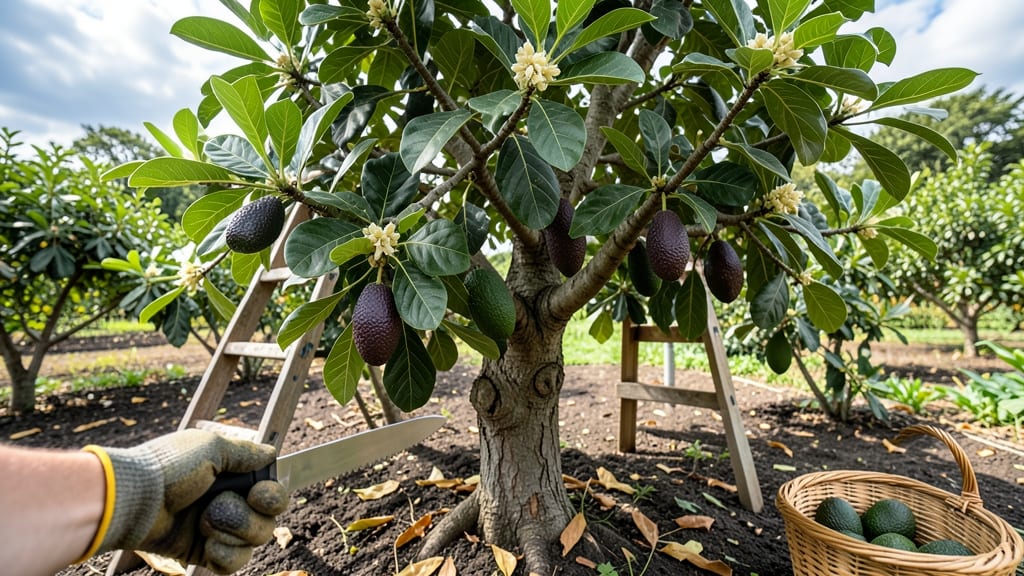
Knowing the harvest time for avocados means spotting that perfect moment when the fruit yields gently and the skin turns deep purple-black—not brown.
Avocado trees don’t announce their harvest time with loud fanfare—they signal it through subtle color shifts and a gentle give. Miss this window, and you risk mealy, underripe fruit or overripe mush. The key? Learning to read your tree’s cues before the fruit even detaches.
In General (Tropical/Subtropical Regions), like USDA zones 9b-11, harvest seasons stretch year-round, but peak times often align with late winter or early spring. Varieties like Hass (the purple-black skinned favorite) ripen differently than Fuerte or Reed—each with its own timeline and telltale signs.
Here’s how to tell when your 🥑 is truly ready, from skin color to stem resistance, plus how to handle post-harvest storage so your avocados stay creamy for weeks—not days.

How to identify avocado harvest time by skin color & ripeness
Avocado trees rely on subtle visual cues to signal when their fruit is ready for harvest. Unlike many fruits that ripen on the vine, avocados need to be picked at a specific stage of maturity and allowed to ripen off the tree.
The skin color and stem resistance are your best indicators, but knowing how to read these signs correctly prevents common mistakes like harvesting too early or missing the perfect window.
One of the biggest misconceptions is assuming brown skin means ripeness—this is actually a sign of overripe or damaged fruit. Instead, look for a deep purple-black or dark green hue, depending on the variety.
The fruit should also yield slightly when gently pressed near the stem, but not feel mushy. These visual and tactile clues work together to confirm the ideal harvest time.
Tree maturity and seasonal timing also play critical roles. Young trees may produce fruit earlier, but it won’t reach full maturity. In warmer climates like California or Florida, harvest seasons can span year-round, while cooler subtropical zones may have more defined windows in late winter or early spring. Understanding your local climate helps narrow down the exact timing.
| Harvest Indicator | What to Look For | Action Required |
|---|---|---|
| Skin Color | Deep purple-black or dark green (not brown!) | Check variety-specific shades (e.g., Hass turns dark purple) |
| Stem Resistance | Gives slightly when pressed near stem | Twist gently—should snap cleanly at the stem |
| Seed Development | Dark, fully formed seed inside | Cut one fruit open to verify maturity |
| Tree Maturity | Mature trees (3+ years old) produce reliable fruit | Young trees may need extra care for maturity |
| Seasonal Timing | Late winter/early spring in cooler zones | Monitor local harvest seasons for your climate |
For Hass avocados, the most common variety, the skin will transition from green to a rich, dark purple-black. This color change happens gradually, so check your tree weekly once the fruit starts developing.
If you’re growing Fuerte or Reed varieties, expect a darker green or brownish hue instead. Always compare your fruit to mature samples from your tree to avoid confusion.
Environmental factors like temperature fluctuations and water stress can delay ripening. If your area experiences sudden heatwaves or droughts, the fruit may take longer to mature. Consistent deep watering and mulching help maintain steady growth conditions. Avoid overwatering, though—soggy soil can lead to poor fruit development and even tree decline.
Don’t rely solely on color when harvesting. The stem twist test is non-negotiable: grasp the fruit near the stem and twist gently. If it separates cleanly with a slight pop, it’s ready. If the stem resists or tears, wait another week.
This test ensures you’re picking fruit that’s mature enough to ripen properly off the tree, whether you plan to eat it fresh or store it for later.
Another pro tip: cut open one avocado to check the seed. A fully mature avocado will have a dark, well-developed seed with a smooth texture. If the seed is light-colored or shriveled, the fruit isn’t ready yet.
This quick check saves you from harvesting premature fruit that will never ripen correctly, no matter how long you leave it on the counter.
Seasonal timing varies by region. In California’s coastal areas, harvests peak from late fall to early spring, while Florida’s warmer climate allows for year-round picking. If you’re in a cooler subtropical zone, aim for late winter or early spring when temperatures stabilize.
Always align your harvest with your tree’s natural cycle—rushing it can compromise flavor and texture.
Finally, avoid the temptation to harvest based on size alone. A large avocado isn’t necessarily ripe—it could just be old or overwatered. Focus on the color, stem resistance, and seed development trio for accurate results.
With practice, you’ll develop an eye for spotting the perfect moment to pick, ensuring your avocados reach peak ripeness with that coveted creamy texture.
Step-by-Step guide to harvesting avocados without damaging the tree
Once your avocados show ripe coloration and yield slightly to pressure, it’s time to harvest—but the method matters just as much as the timing. A rough harvest can stress your tree and reduce future yields, so I’ll walk you through the safest techniques to pick your fruit without harm.
The key is using the right tools and gentle methods to avoid tearing branches or damaging the tree’s bark.
Start by gathering a few essential tools: a sharp pruning shears (for larger fruit or stubborn stems), a harvesting hook (for high branches), and a soft cloth to handle the fruit. Avoid using knives or saws, as they can cause unnecessary damage.
Work on a dry day when the fruit is firm but ripe, as wet conditions can make the tree more susceptible to disease after harvesting.
- 🌱 Step 1: Prepare the Tree
Gently shake the branch to ensure the fruit is fully ripe and ready to detach. Look for any signs of pests or disease on the fruit or surrounding branches. - 🪴 Step 2: Twist the Fruit
Grasp the avocado near the stem and twist gently but firmly until it snaps cleanly from the branch. If it resists, the fruit may not be ready yet. - ✂️ Step 3: Use Pruning Shears
For stubborn fruit, use sterilized pruning shears to cut about 1 inch above the fruit’s stem. Make a clean cut at a 45-degree angle to prevent water pooling. - 🌿 Step 4: Handle with Care
Place harvested avocados in a soft cloth-lined basket to avoid bruising. Avoid stacking fruit to prevent damage. - 💧 Step 5: Post-Harvest Care
After harvesting, water the tree deeply to replenish moisture lost during the process. Prune any damaged branches with sterilized tools to prevent infection.
Never pull or yank the avocado from the tree, as this can tear the branch or uproot the fruit. If you’re harvesting from a container-grown tree, support the container or use a ladder carefully to avoid tipping it over.
Once you’ve harvested all ripe fruit, inspect the tree for any remaining unripe avocados—these can stay on the tree for a few more weeks to ripen naturally.
After harvesting, store your avocados in a cool, dry place (around 55-65°F) to slow ripening. If you plan to ripen them indoors, place them in a paper bag with a banana or apple to speed up the process with ethylene gas.
Avoid refrigerating unripe avocados, as this can turn the flesh brown and mealy.
Finally, keep an eye on your tree’s post-harvest health. If you notice wilting leaves, yellowing, or signs of stress, it may need extra care like fertilizer or adjusted watering. A well-maintained tree will reward you with abundant fruit next season if you handle it with care during harvest.
With these steps, you’ll harvest your avocados like a pro—ensuring both a great yield and a healthy tree for years to come. 🌱