
How To
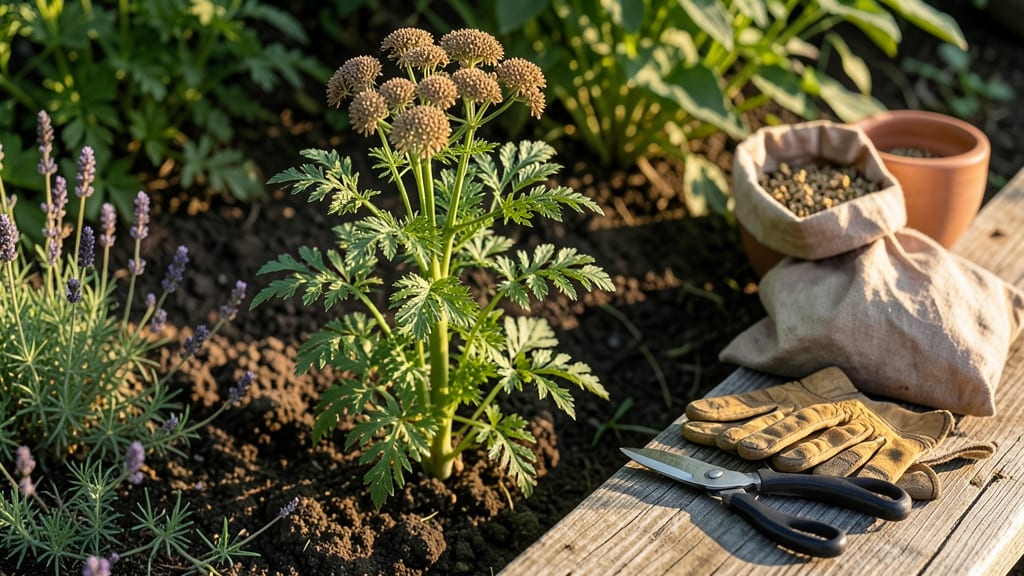
To harvest coriander seeds at their peak, watch for brown pods that crumble easily in your hands — the moment when flavor and yield matter most.
Picture this: you’ve nurtured your 🌿 coriander all season, and now the flowers have faded into dry, papery pods. But is it really time? Harvest too early, and you’ll miss out on flavorful seeds.
Wait too long, and they’ll scatter uselessly across your garden. The difference between a goldmine of seeds and a wasted plant comes down to timing and technique.
This guide cuts through the guesswork by breaking down the exact visual cues to look for—when those pods turn from green to brown, when they rattle like tiny maracas, and how to dry them properly to preserve every last seed. No more second-guessing, no more wasted effort.
By the end, you’ll know how to harvest, dry, and store coriander seeds like a pro—ensuring you’ve got enough to spice up dishes for months to come, even in Zone 6a.
When to harvest coriander seeds: identifying the perfect ripeness stage
Harvesting coriander seeds at the right moment transforms your garden into a flavor factory. The key lies in watching for visual cues that signal maturity—like brown pods and a crunchy texture.
If you harvest too early, your seeds won’t develop full flavor, while waiting too long risks shattering pods and losing yield. I’ve learned the hard way that patience (and a sharp eye) are everything!
Start monitoring your coriander plants around 75-90 days after sowing, when the flowers fade and seed pods form. The pods begin as green and firm, but as they mature, they’ll turn tan or brown and dry out.
This color shift is your first clue that harvest time is near. Don’t rush—wait until the pods feel paper-thin and the seeds inside rattle when you shake them gently.
| Feature | Underripe Pods | Perfectly Ripe Pods | Overripe Pods |
|---|---|---|---|
| Pod Color | Bright green | Tan/brown | Dark brown/black |
| Texture | Firm, crisp | Dry, paper-thin | Brittle, shattering |
| Seed Sound | Silent | Rattles when shaken | Empty or hollow |
| Seed Crumble Test | Seeds don’t separate | Seeds crumble easily | Seeds scatter or mold |
| Plant Leaves | Lush and green | Yellowing, dying back | Completely brown |
| Harvest Timing | Too early | Optimal (75-90 days) | Too late |
🌿 Pro Tip: Perform the crumble test by gently squeezing a pod between your fingers. If seeds fall out like sand, they’re ready!
Environmental factors also play a crucial role in timing your harvest. Coriander thrives in warm, dry conditions—ideal temperatures for seed maturation range between 70°F and 85°F. If your region experiences humid summers or frequent rain, pods may develop mold before ripening.
In such cases, I recommend harvesting slightly earlier and completing the drying process indoors.
Pay close attention to morning dew or afternoon humidity, as these can accelerate pod drying. On sunny, dry days, pods dry faster, so check them daily. If you notice dark spots or softness, harvest immediately—these are signs of spoilage.
The goal is to catch pods at the peak of dryness, just before they shatter on their own.
One of my biggest mistakes was ignoring the seed crumbling test and harvesting based solely on color. Some pods turned brown but were still moist inside, leading to moldy seeds.
Always combine visual cues with the tactile test for accuracy. Pro tip: Harvest on a dry, sunny morning to ensure pods are fully dry before storage.
If you’re growing coriander in containers, monitor pods more frequently since they dry out faster in limited soil. Container-grown plants also benefit from reduced watering once pods form—cut back to every 3-4 days to encourage drying.
Overwatering at this stage can dilute flavor and promote rot, so let the soil dry slightly between waterings.
For maximum yield, harvest whole seed heads rather than individual pods. Use clean pruning shears to snip stems about 2 inches below the pods. This method preserves more seeds and prevents accidental damage.
Once harvested, lay the seed heads on a paper towel-lined tray in a well-ventilated, dry area for 1-2 weeks to complete drying.
Remember, patience pays off—rushing the harvest means weaker seeds, while waiting too long risks losing your crop entirely. The perfect moment is when pods are tan, dry, and crumble easily,
Step-by-step guide: how to harvest and dry coriander seeds correctly
Once your coriander plants have flowered and the seed pods begin turning brown, it’s time to act fast. Harvesting too early means immature seeds, while waiting too long risks seed loss or mold. The key is timing—when pods are dry but still intact.
I’ll walk you through the entire process, from cutting stems to storing seeds, so you end up with high-quality coriander seeds ready for next season.
Start by gathering your tools: sharp pruners, a clean tray or paper towels, and a drying rack or mesh bag. Work on a dry, sunny day to ensure optimal drying conditions. The goal is to harvest seeds at their peak—when they’re fully mature but haven’t scattered yet.
If you miss this window, you might end up with empty pods or seeds that won’t store well.
How to Harvest and Dry Coriander Seeds
- 1 Cut the stems: Snip the entire seed heads when 70-80% of pods are brown and dry. Leave a 1-inch stem to hang the bundles.
- 2 Bundle and hang: Tie 3-5 stems together and hang them upside down in a dry, well-ventilated spot (like a garage or shed). Avoid direct sunlight to prevent overheating.
- 3 Dry for 1-2 weeks: Let the pods fully dry until they crack open easily and seeds rattle inside. Test by gently squeezing a pod—if seeds spill out, they’re ready.
- 4 Thresh the seeds: Place dried pods in a paper bag and crush them by hand or with a rolling pin. Shake the bag to separate seeds from chaff.
- 5 Winnow the seeds: Pour the mixture onto a tray or sheet of paper and use a fan or gentle breeze to blow away light debris. Collect the heavier seeds in a bowl.
- 6 Store properly: Transfer seeds to an airtight container (like a glass jar) and keep them in a cool, dark place (like a pantry). Label with the harvest date—seeds stay viable for 2-3 years if stored correctly.
After drying, your coriander seeds should be a rich brown color and crumble easily between your fingers. If they feel hard or green-tinged, they need more drying time. Store them away from moisture and heat to preserve their flavor and potency.
With this method, you’ll maximize your yield and avoid common pitfalls like moldy seeds or wasted effort.
Pro tip: If you’re short on space, lay the dried seed heads on a clean towel in a single layer and cover them lightly with another towel. This protects them from dust while still allowing airflow. Just check them daily to ensure they’re drying evenly.
Now you’re ready to enjoy the fruits of your labor—whether you’re using these seeds for culinary spicing, garden replanting, or sharing with fellow gardeners. Happy harvesting! 🌿