
How To
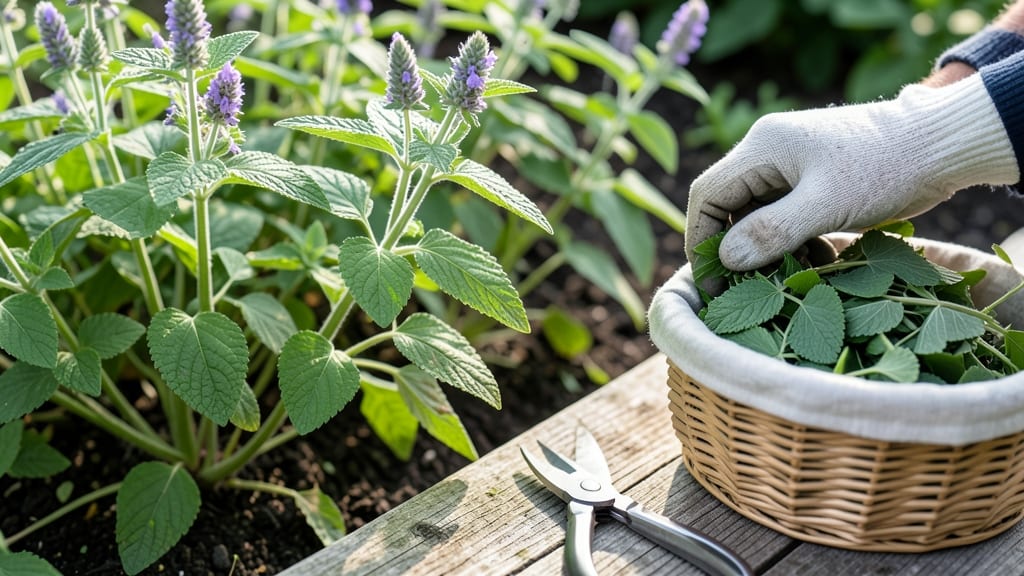
To harvest catnip at its most potent, wait until the leaves are fully mature and the plant is 6-12 inches tall—that’s when the scent hits just right for your 🐱 friends (and your homemade remedies).
Catnip isn’t just for playful felines—it’s a versatile herb with medicinal properties, too. But timing your harvest is everything: pluck those leaves too early, and you’ll miss the peak pungency that makes your cats go wild (and your tea extra potent).
You’ll know it’s ready when the leaves are deep green, fuzzy, and release that unmistakable aroma at the slightest touch. The key is to cut just above a leaf node to encourage bushier growth, so your plant keeps producing more harvests all season.
Below, I’ll walk you through the exact steps—when to harvest, what tools to use, and how to dry or store your bounty—so you get the most out of your catnip without harming the plant.
The perfect time to harvest catnip for maximum potency
Timing your catnip harvest is the secret to unlocking its full aromatic potential. The ideal moment arrives when leaves reach 6-12 inches in height and develop that signature fuzzy texture.
This usually occurs 60-90 days after planting, depending on your USDA zone and growing conditions. In Zone 6a, I aim for mid-June to early July for peak potency.
Harvesting too early means weak scent and lower nepetalactone content—the compound that drives cats wild. Waiting too long risks flowering, which shifts energy from leaves to seeds, reducing potency.
The sweet spot? Just before buds form—that’s when leaves pack the most punch for your feline friends and herbal remedies.
Your climate zone plays a huge role. In warmer Southern regions, catnip may bolt faster, requiring earlier harvests. Meanwhile, cooler Northern climates give you more time. I’ve found that morning harvests yield the freshest leaves, as evening dew can dilute their essential oils.
Look for these visual cues to confirm readiness: deep green, slightly fuzzy leaves with a strong minty aroma when crushed. The plant should also be bushy and compact, not leggy.
If you see tiny flower buds, you’ve missed the window—though you can still harvest leaves for lower-potency uses.
For continuous harvests, I recommend a staggered approach. Instead of taking everything at once, snip outer leaves first to encourage new growth. This method keeps your catnip bushy and productive for months. Just avoid removing more than one-third of the plant at a time to prevent stress.
Seasonal timing matters too. In spring-planted catnip, aim for harvests in late summer before the first frost. If you plant in early summer, you’ll get a second harvest in fall. I’ve had success with fall harvests in Zone 6a until early October, though potency drops as temperatures cool.
Pro tip: Crush a leaf between your fingers before harvesting. If it releases a strong, minty-citrus scent, you’re golden. Weak or no smell? Wait another 1-2 weeks. This simple test saves you from harvesting underripe leaves that won’t satisfy your cats or your tea blends.
Remember, over-harvesting weakens the plant. If you take too much too soon, your catnip may bolt prematurely or produce fewer leaves next season. Balance is key—think of it like a haircut for your herb: trim just enough to keep it healthy and thriving.
For container growers, timing is even more critical since space is limited. Harvest every 3-4 weeks to maintain a compact, productive plant. Just ensure your pot has good drainage—waterlogged roots can stress the plant and reduce potency.
Finally, keep an eye on the weather forecast. Avoid harvesting before rain or heavy dew, as moisture can dilute the essential oils. Early mornings after a dry night are ideal—your leaves will be crisp, aromatic, and ready for drying or fresh use.
Step-by-step guide to harvesting catnip without damaging the plant
Harvesting catnip the right way ensures your plant stays healthy and keeps producing those aromatic leaves your feline friends (and you) love. Start by gathering your tools: sharp scissors or pruning shears, gloves (optional), and a clean basket or container.
The goal is to remove 1/3 of the plant at a time to avoid stressing it while still getting a bountiful harvest.
Timing matters too—harvest in the morning after dew dries when essential oils are most concentrated. This also gives the plant time to recover before evening. Whether you choose hand-picking individual leaves or pruning entire stems, the method depends on your needs: leaves for fresh use or stems for drying.
How to Harvest Catnip
-
Step 1: Choose Your Method
For fresh leaves, pinch off individual leaves with your fingers. For drying, cut stems 3-4 inches long just above a leaf node.
-
Step 2: Use Clean Tools
Disinfect your scissors or shears with rubbing alcohol to prevent disease. Dull tools crush stems, slowing recovery.
-
Step 3: Cut Strategically
Always cut above a leaf node (where leaves meet stems) to encourage new growth. Avoid cutting into woody stems.
-
Step 4: Harvest Regularly
Pick leaves every 2-3 weeks to maintain a bushy plant. Never remove more than 1/3 of the plant at once.
-
Step 5: Post-Harvest Care
Water the plant deeply after harvesting to help it recover. Fertilize lightly with a balanced 5-10-10 mix to boost regrowth.
Avoid these common mistakes: harvesting too early (before leaves are fuzzy), over-pruning (which weakens the plant), or ignoring signs of stress like yellowing leaves. If you notice wilting or stunted growth, scale back and let the plant recover for a few weeks.
For continuous yields, rotate your harvests around the plant. Focus on the outer leaves first, then work inward. This method keeps the center healthy while maximizing your harvest. Mulch around the base to retain moisture and encourage robust regrowth.
With the right technique, your catnip plant will thrive, producing abundant harvests all season long. Store fresh leaves in the fridge for up to a week or dry them for long-term use—either way, you’ll have plenty to share with your cats (or your tea blends!). 🌿