
How To
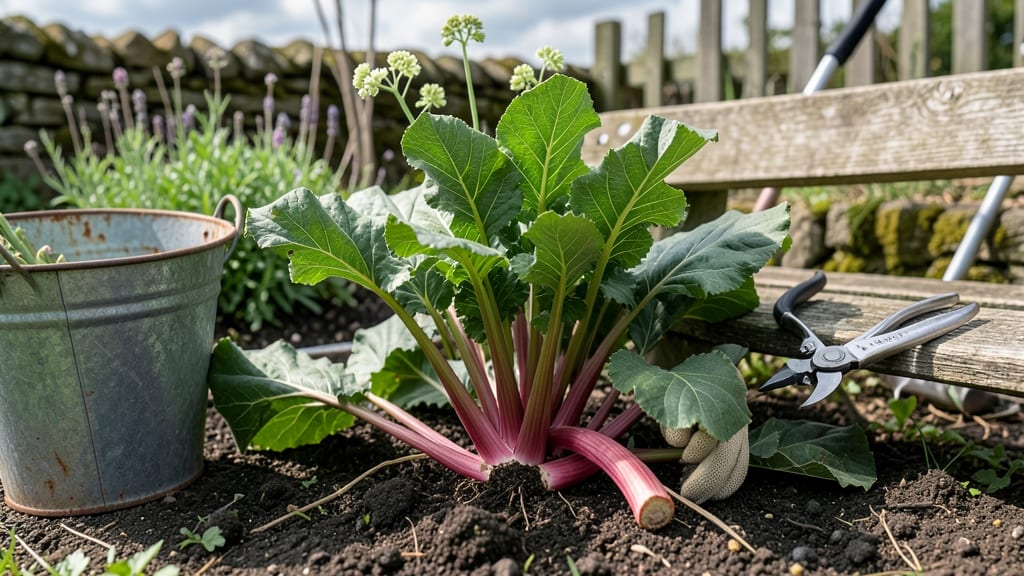
To harvest rhubarb stalks at their prime—when they’re 10 inches long and packed with sweetness—you’ll need the right timing, tools, and technique to keep your 🌱 thriving for years.
Picture this: your first spring harvest, stalks reaching for the sky, but you’re not sure if they’re ready. Cut too early, and you’ll stunt growth; wait too long, and the stalks turn woody. The secret? Harvesting when they’re firm, vibrant, and just before the leaves fully unfurl.
This guide covers everything from the best time of year (late spring to early summer) to the sharpest tools for clean cuts, plus how to avoid common mistakes that leave your rhubarb looking sad instead of splendid.
By the end, you’ll know exactly when to pick, how to store your haul, and what to do to ensure next year’s crop is even better than this one.
When and how to harvest rhubarb stalks at 10 inches
Harvesting rhubarb at the 10-inch mark isn’t arbitrary—it’s the sweet spot where stalks balance flavor, texture, and plant health. At this length, the stalks are fully mature but haven’t yet become fibrous or bitter.
The 10-inch rule ensures you’re picking rhubarb when its natural sugars peak, while leaving enough energy in the plant for future growth. Think of it like waiting for the perfect ripe tomato: too early, and it’s underdeveloped; too late, and it’s past its prime.
Timing your harvest is just as critical as the stalk length. In spring, when most gardeners start harvesting, aim for late May to early June in Zone 6 (adjust 2-4 weeks earlier or later for warmer/cooler climates).
A fall harvest is possible in mild climates, but stalks may be smaller and less sweet. Always prioritize mature stalks over quantity—your plant’s long-term health depends on it.
Before you grab your pruners, check three key visual cues to confirm readiness: stalk length (10 inches), firmness (no soft spots), and leaf development (partially unfurled but not fully open).
The color intensity also matters—vibrant reds, pinks, or greens signal peak ripeness. If stalks feel woody or snap with a hollow sound, they’ve passed their prime.
How to Harvest Rhubarb Stalks at 10 Inches
- Step 1: Choose the Right Tools
Use a sharp pruner or clean knife to avoid tearing stalks. Disinfect blades with rubbing alcohol to prevent disease spread. - Step 2: Identify Mature Stalks
Select stalks that are 10 inches long, firm to the touch, and have deep color. Avoid stalks with pale patches or soft spots. - Step 3: Cut at the Base
Hold the stalk firmly and cut 1 inch above the ground. Never pull stalks—this damages the crown and invites pests. - Step 4: Leave the Leaves
Resist the urge to trim leaves! They photosynthesize to fuel next year’s growth. Only remove dead or yellowed leaves. - Step 5: Harvest Strategically
Never take more than ⅓ of the stalks at once. Prioritize the outer stalks first to protect the center. - Step 6: Post-Harvest Care
Water the plant deeply after harvesting to replace moisture. Add a light mulch to retain soil moisture and protect roots.
One of the biggest mistakes gardeners make is harvesting too aggressively—especially in the first year. Your rhubarb plant needs time to establish a strong root system before you can expect heavy yields.
In year one, limit yourself to 1-2 stalks total, even if more are ready. This patience pays off with larger, sweeter stalks in years two and three.
The seasonal timing of your harvest also affects flavor. Early spring stalks are tart and crisp, perfect for pies and sauces. Later in the season, stalks may develop a slightly milder taste but can become woody if left too long.
For the best balance, aim to finish your primary harvest by mid-June. This gives the plant time to replenish energy before summer dormancy.
Did you know rhubarb’s leaf color can hint at stalk readiness? When the central leaves begin to unfurl slightly (but aren’t fully open), it’s a signal that the stalks below are nearing maturity.
Pay attention to the leaf veins too—healthy stalks will have leaves with bright green veins. If veins appear yellow or brown, the plant may be stressed or nutrient-deficient.
After harvesting, store your rhubarb in the crisper drawer of your fridge for up to 2 weeks. For long-term storage, blanch and freeze stalks—this preserves their color and texture for up to 12 months.
Always remove leaves and fibrous ends before storing, as they can cause off-flavors or rotting.
To encourage next year’s harvest, feed your rhubarb with a balanced fertilizer (like 10-10-10) in early spring. Water deeply once a week during the growing season, and mulch around the base to retain moisture.
With proper care, a single rhubarb plant can produce harvests for decades—making your initial patience well worth it.
Remember: the 10-inch rule isn’t just about stalk length—it’s about respecting the plant’s cycle. When done right, your rhubarb will reward you with vibrant stalks, minimal pests, and years of bountiful harvests. Happy harvesting! 🌱✂️🔴
Rhubarb harvesting mistakes to avoid (and how to fix them)
Harvesting rhubarb wrong can turn your perennial crop into a struggling plant overnight. I’ve seen gardeners accidentally kill their rhubarb by removing too many stalks or harvesting at the wrong time.
The good news? Most mistakes are fixable with the right care. Let’s tackle the most common errors and how to recover from them.
First-year rhubarb plants are especially delicate. Many gardeners make the mistake of harvesting first-year stalks, thinking they’re ready. But these early stalks are actually storing energy for the plant’s future growth.
Removing them weakens the crown and can delay—or even prevent—next year’s harvest. If you’ve already harvested first-year stalks, don’t panic. Focus on soil care and watering consistency to help the plant recover.
- Never harvest more than ⅓ of stalks at once—this stresses the plant.
- Avoid cutting leaves—they protect the plant and feed it energy.
- Wait until stalks reach 10 inches long—earlier harvests taste bland.
- Skip harvesting in the first year entirely to build root strength.
Another big mistake is removing too many stalks in a single session. Rhubarb relies on its leaves to photosynthesize and feed the crown. If you strip the plant of more than ⅓ of stalks, it struggles to replenish energy stores.
I once saw a rhubarb plant wilt dramatically after someone harvested half its stalks—it took two full seasons to recover. To fix this, trim back any damaged leaves and focus on root health with a balanced fertilizer in early spring.
Timing matters too. Harvesting in late summer or fall weakens the plant before winter. Rhubarb needs time to replenish energy stores before dormancy. If you’ve already harvested late, stop immediately and let the plant rest for winter.
Cover the crown with mulch to protect it from freezing temperatures. In spring, you’ll see new growth as a sign of recovery.
Finally, never cut stalks with a knife—always twist them gently at the base. Snipping stalks can leave jagged edges that invite disease. If you’ve already cut stalks, trim any rough edges with clean scissors and apply a copper fungicide as a precaution.
For future harvests, use a sharp pair of pruners to make clean cuts and reduce damage.
With these fixes, your rhubarb can bounce back stronger than ever. The key is patience—give your plant time to recover, and it’ll reward you with years of bountiful harvests. Next season, follow the rules, and you’ll enjoy sweet, crisp stalks for decades to come. 🌱