
How To
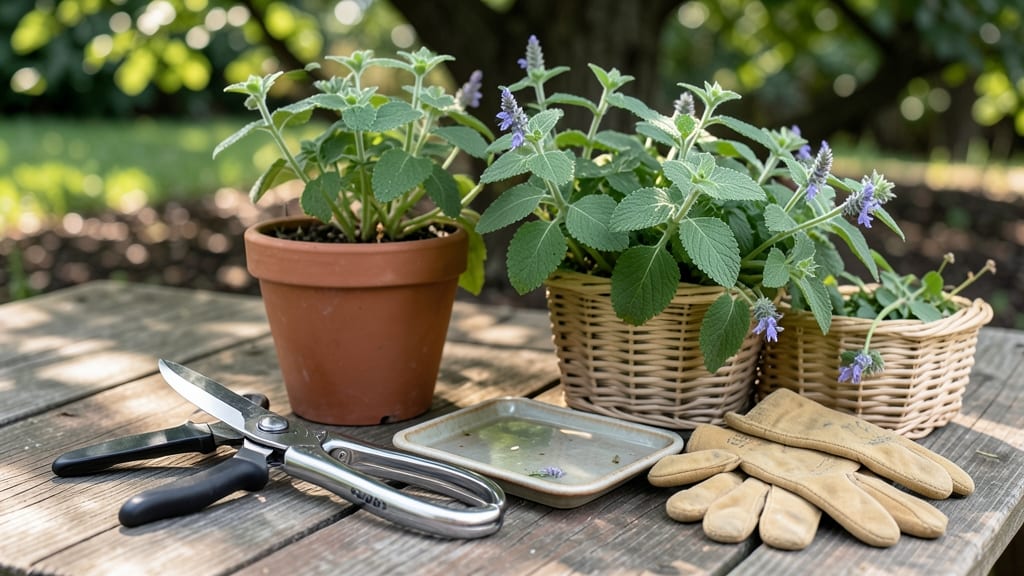
To harvest catnip for cats at its most potent, you’ll want leaves that crinkle like paper and smell like a minty party 🐱—because timing and technique turn good catnip into irresistible catnip.
If your cat goes wild for crinkly, fragrant leaves, you’re already familiar with catnip’s magic—but did you know the best harvest window is when leaves are fully mature, dark green, and packed with that signature aroma?
Harvesting too early means weak potency, while waiting too long can turn your plant woody. Below, I’ll walk you through the exact signs to look for, the tools you’ll need, and how to dry and store your crop so your feline friend stays happy for months.
From hand-picking to drying methods, you’ll learn how to preserve that strong, fresh scent that makes your cat purr like a motorboat—no guesswork, just science-backed steps for the best results.
When to harvest catnip for maximum potency: crinkle & smell tests
Harvesting catnip at the right moment transforms a good crop into an irresistible treat for your feline friends. The key lies in two simple but science-backed indicators: leaf texture and aroma.
When your catnip leaves develop that signature crinkly texture and emit a strong, minty scent, you’ve hit the perfect harvest window. These cues signal peak potency, ensuring your cats experience the full euphoric effects.
Most gardeners overlook the importance of growth stage when harvesting catnip. The plant’s potency actually declines after flowering begins, so timing is everything. For maximum effectiveness, aim to harvest when plants are 6 to 12 inches tall and before they produce buds.
This typically occurs 60 to 90 days after planting, depending on your climate and growing conditions.
Visual cues are your best friends here. Look for leaves that are dark green and fully developed, with a slightly wrinkled appearance when crushed. The stronger the scent—think intense minty aroma—the more potent your harvest will be. This is when the nepeta cataria plant’s essential oils reach their peak concentration.
| Harvest Indicator | Optimal Condition | Potency Level |
|---|---|---|
| Leaf Texture | Crinkly, wrinkled when crushed | ⭐⭐⭐⭐⭐ (Peak) |
| Plant Height | 6-12 inches tall | ⭐⭐⭐⭐ (High) |
| Aroma Strength | Strong minty scent (visible from 12 inches away) | ⭐⭐⭐⭐⭐ (Peak) |
| Growth Stage | Before flowering begins | ⭐⭐⭐⭐ (High) |
| Stem Condition | Woody but still flexible | ⭐⭐⭐ (Moderate) |
🌿 Pro Tip: Harvest on a dry, sunny morning for the freshest leaves with maximum essential oils.
Morning is the ideal time to harvest catnip because the essential oils are most concentrated. Afternoon harvests work too, but avoid evenings when humidity rises, as this can dilute potency. If you’re growing catnip in USDA Zone 6a or warmer, you’ll likely have a June to October harvest window.
In cooler climates, extend your season by starting seeds indoors 4-6 weeks before your last frost date.
Never harvest catnip leaves that are yellowing or show signs of disease, as this reduces potency and can harm your cats. Always use clean, sharp scissors or pruning shears to avoid damaging the plant.
Cut just above a leaf node to encourage bushier growth and more harvests throughout the season. This technique also prevents the plant from becoming woody too quickly.
The crinkle test is my favorite way to check harvest readiness. Simply rub a leaf between your fingers—if it makes a satisfying crinkly sound and smells strongly minty, it’s prime for harvesting.
This texture comes from the plant’s natural trichomes, which produce the compounds that excite cats. Skipping this test often leads to weak-smelling catnip that fails to engage your feline companions.
For maximum potency, avoid harvesting flowers if possible, as they contain lower concentrations of the active compound nepetalactone. Focus on the upper leaves first, leaving the lower growth to continue producing new foliage.
This method ensures a continuous harvest throughout the growing season while maintaining plant health. Regular harvesting also prevents the plant from becoming leggy or producing too many seeds.
If you’re unsure whether your catnip is ready, perform a smell test from 12 inches away. The aroma should be overpoweringly minty—so strong that it’s noticeable even in a garden full of other herbs.
Weak-smelling catnip won’t provide the same stimulating effects for your cats, so don’t hesitate to wait a few more days if needed. Patience here pays off with higher-quality catnip that your feline friends will adore.
Once you’ve mastered these harvesting cues, you’ll consistently produce catnip that’s irresistible to cats. The combination of crinkly leaves, strong scent, and proper growth stage ensures every batch delivers the full sensory experience that makes catnip so special.
Your cats will thank you with endless purring and playful zooms! 🐾
Step-by-Step catnip harvesting guide: tools & techniques for fresh or dried use
Harvesting catnip at the right time ensures your feline friend gets the most potent, aromatic leaves. The key is to pick when the leaves crinkle like paper and emit that unmistakable minty scent. This usually happens when the plant is 6-12 inches tall and has fully developed foliage.
You’ll need just a few simple tools: sharp pruning shears, clean gardening gloves, and a brown paper bag for collecting leaves. Avoid harvesting in the heat of the day—early morning is ideal when the oils are most concentrated and the leaves are crisp.
- 🌿 Step 1: Identify Ready Leaves
Look for dark green, fully mature leaves that crinkle when touched. Avoid harvesting flowering stems or woody branches—these reduce potency. - 🪴 Step 2: Choose Your Method
For fresh use, hand-pick individual leaves. For drying, cut 3-4 inch stems just above a leaf node to encourage bushier growth. - ✂️ Step 3: Harvest with Precision
Use clean pruning shears to snip stems at a 45-degree angle. Never harvest more than 1/3 of the plant at once to avoid stressing it. - 🌞 Step 4: Dry Properly
Bundle stems and hang upside down in a dark, well-ventilated space (like a closet or attic). Alternatively, use a dehydrator at 95°F for 2-3 hours. - 📦 Step 5: Store for Long-Term Use
Once completely dry, strip leaves from stems and store in an airtight glass jar away from light. Label with the harvest date—potency lasts up to 6 months.
If you’re harvesting for fresh catnip toys, simply rinse the leaves and let them air-dry briefly before stuffing into toys. For dried catnip, ensure it’s fully desiccated—crush a leaf between your fingers to check for brittleness.
Pro tip: Harvest every 4-6 weeks during the growing season to keep your catnip plant productive. Regular pruning also encourages lush, bushy growth with more aromatic leaves for your cat’s enjoyment.
Remember, the fresher the harvest, the stronger the effect on your cat. With these techniques, you’ll always have a stash of high-potency catnip ready to make your feline’s tail wag like crazy! 🐾