
How To
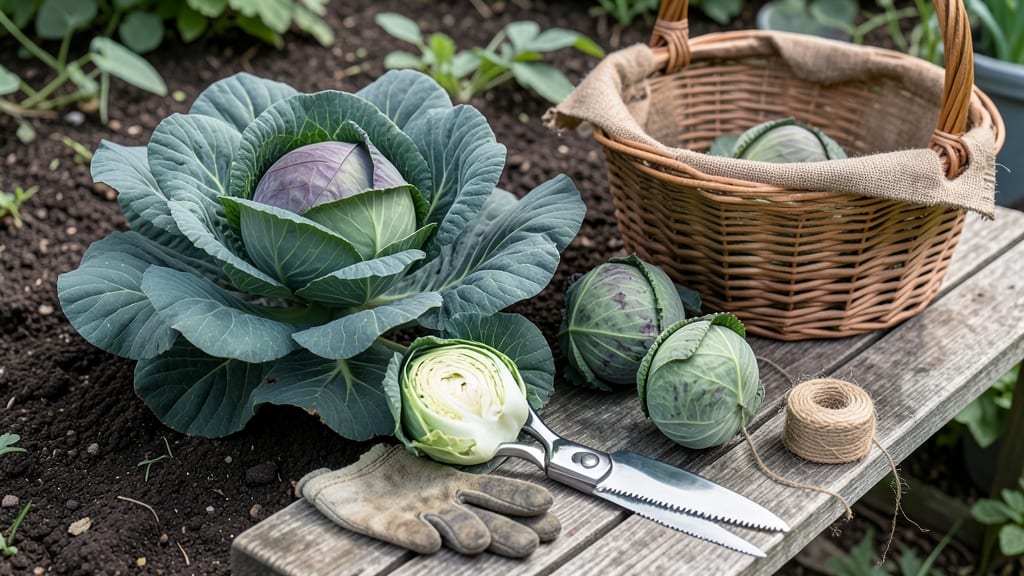
Harvesting cabbage the right way means crisp, flavorful heads that stay fresh for weeks—no more guesswork or sad, wilted leftovers.
Picture this: you’ve nurtured your 🥬 all season, and now it’s time to pick the perfect moment. One wrong move, and you could end up with a head that’s too loose, bitter, or even splits open before you’re ready.
But with the right timing and a sharp knife, you’ll unlock the secret to cabbage that tastes like it just came from the garden.
In this guide, you’ll learn the three key signs your cabbage is ready to harvest—firmness, leaf color, and size—plus the best tools and techniques to avoid common mistakes.
Whether you’re a seasoned gardener or a first-timer, these tips will help you harvest like a pro and keep your cabbage fresh for weeks.
Ready to go from garden to kitchen with confidence? Let’s dive into the step-by-step process, including storage hacks that’ll have your cabbage lasting longer than ever before.
3 Clear signs your cabbage is ready for harvest (plus best practices)
Knowing when to harvest your cabbage can make all the difference between a crisp, flavorful head and a sad, wilted disappointment. The key lies in three maturity indicators that reveal when your plant has reached peak perfection.
Miss these signs, and you risk bolting—when your cabbage sends up a flower stalk and becomes tough and bitter. Let's dive into the visual and tactile clues that tell you it's time to pick.
First, pay attention to the head firmness. A perfectly ripe cabbage should feel solid and compact when you gently squeeze it. If it gives slightly or feels spongy, it's not ready yet.
Think of it like testing a ripe avocado—just enough pressure to feel the firmness without denting the surface. This firmness is your first green light that the nutrient concentration is ideal for harvest.
Next, examine the leaf color. Healthy cabbage leaves should be a vibrant deep green or the color specific to your variety (like purple for red cabbage). Any yellowing leaves or brown spots are red flags that your cabbage is either overripe or struggling.
These color cues help you avoid the bitter taste that comes from waiting too long.
Finally, check the head size. Most cabbage varieties reach harvest size between 6 to 12 inches in diameter, depending on the type. For example, green cabbage typically matures around 8-10 inches, while savoy cabbage might be slightly smaller.
If your cabbage feels heavy for its size, that's another sign it's ready to come out of the ground.
🌱 How to Harvest Cabbage: 3 Key Steps
- 1. Check head firmness: Press gently—it should feel solid, not mushy. Firm = ready!
- 2. Inspect leaf color: Vibrant green or purple leaves mean peak freshness. Avoid yellowing!
- 3. Measure head size: 6-12 inches diameter is ideal. Larger ≠ better!
Pro Tip: Harvest on a cool morning after dew has dried to preserve crispness.
Timing is everything when it comes to seasonal variations. Spring-planted cabbage typically matures in 70-80 days, while fall crops may take slightly longer, especially in cooler climates.
If you're growing in USDA Zone 6a, aim to harvest your spring cabbage between June and July, and your fall crop in October or November. Always harvest before the first frost—cold temperatures can turn your cabbage mushy and waterlogged.
One of the most common mistakes gardeners make is waiting too long to harvest. When cabbage heads start to split or bolt, the flavor becomes bitter and the texture turns tough. To avoid this, I recommend harvesting a few days before the head looks perfectly mature.
This gives you a buffer against unexpected weather or pests that could stress your plant. Another mistake? Pulling the cabbage instead of cutting it. This can damage the plant and reduce future yields.
If you're growing multiple varieties, keep an eye on their individual maturity rates. For example, bok choy and Napa cabbage mature faster than traditional green cabbage, often in as little as 45-55 days. Always refer to the seed packet guidelines for specific varieties, as these can vary significantly.
For instance, 'Golden Acre' cabbage is ready in about 60 days, while 'Red Express' takes closer to 80 days.
Once you've confirmed your cabbage is ready, the next step is to harvest it properly. Use a sharp knife or pruning shears to cut the head about 1-2 inches above the base. This leaves the root system intact, allowing you to harvest additional side shoots later in the season.
If you're harvesting individual leaves (like with Chinese cabbage), simply twist or cut them off at the base, leaving the rest of the plant to continue producing.
After harvesting, handle your cabbage with care to preserve its freshness. Avoid washing it until you're ready to use it, as excess moisture can encourage rot and spoilage. Store it in a cool, dark place with high humidity, like a root cellar or refrigerator crisper drawer.
Proper storage can extend the life of your cabbage for up to 2 weeks, ensuring you enjoy its crisp texture and bold flavor long after harvest.
Remember, the key to a successful cabbage harvest is patience and observation. By paying attention to these three clear signs—firmness, color, and size—you'll always know when your cabbage is at its peak.
And with these best practices, you'll avoid common mistakes that can ruin your hard work. Happy harvesting!
Step-by-step cabbage harvesting guide: tools, techniques, and post-cut care
Harvesting cabbage properly is the key to enjoying those crisp, flavorful heads at their peak. Whether you're harvesting from your garden or selecting the perfect market cabbage, the right tools and techniques make all the difference.
I’ve learned that even a small mistake during harvest can shorten shelf life or ruin the texture—so let’s dive into the proven methods that keep cabbage fresh for weeks.
First, gather your essential harvesting tools. A sharp chef’s knife or pruning shears is a must—dull tools crush the stems and invite rot. For garden-grown cabbage, you’ll also need garden gloves (to protect from thorns on some varieties) and a bucket or basket to collect your harvest.
If you’re working with market-bought cabbage, a clean cutting board and knife will suffice. The goal? Minimize damage while maximizing freshness.
How to Harvest Cabbage: Step-by-Step
-
Step 1: Choose Your Method
Decide whether to harvest the whole head or individual leaves. Whole heads last longer; individual leaves are great for gradual use. -
Step 2: Use Sharp Tools
Avoid tearing leaves—use a sharp knife to cut 1-2 inches above the base for whole heads or snip outer leaves cleanly. -
Step 3: Handle with Care
Grip the stem firmly while cutting to prevent the head from rolling or bruising. For loose-leaf varieties, pull outer leaves gently. -
Step 4: Inspect for Pests
Check for pests or damage like holes or yellowing. Discard any compromised leaves immediately to prevent spoilage. -
Step 5: Store Properly
Place whole heads in a cool, dark place (40-45°F) with high humidity. For short-term use, store in the fridge’s crisper drawer.
For gardeners, timing is everything. Harvest cabbage in the early morning when temperatures are cool—this preserves moisture and crispness. If you’re harvesting individual leaves (like with loose-leaf varieties), start with the outermost leaves to encourage continued growth.
This method lets you enjoy cabbage for weeks longer than a single whole-head harvest.
Post-harvest care is just as critical as the harvest itself. After cutting, trim any damaged leaves and avoid washing until ready to use—excess moisture speeds up spoilage. For long-term storage, wrap whole heads in a damp paper towel and place them in a perforated plastic bag.
This mimics the humid conditions cabbage thrives in, keeping it fresh for up to 2 months in the fridge.
One common mistake I see? Harvesting when cabbage heads start to split or bolt. This happens when heat or drought stress triggers flowering. If you notice the center leaves loosening or the head splitting, harvest immediately—even if it’s not fully mature.
These heads won’t last long, but they’re still perfect for quick cooking or fermenting.
Pro tip: If your cabbage is market-bought, check the outer leaves for signs of wilting or yellowing before purchasing. A firm, heavy head with tightly wrapped leaves is your best bet for freshness. With these techniques, you’ll enjoy cabbage that stays crisp and delicious for weeks—no guesswork required! 🥬