
How To
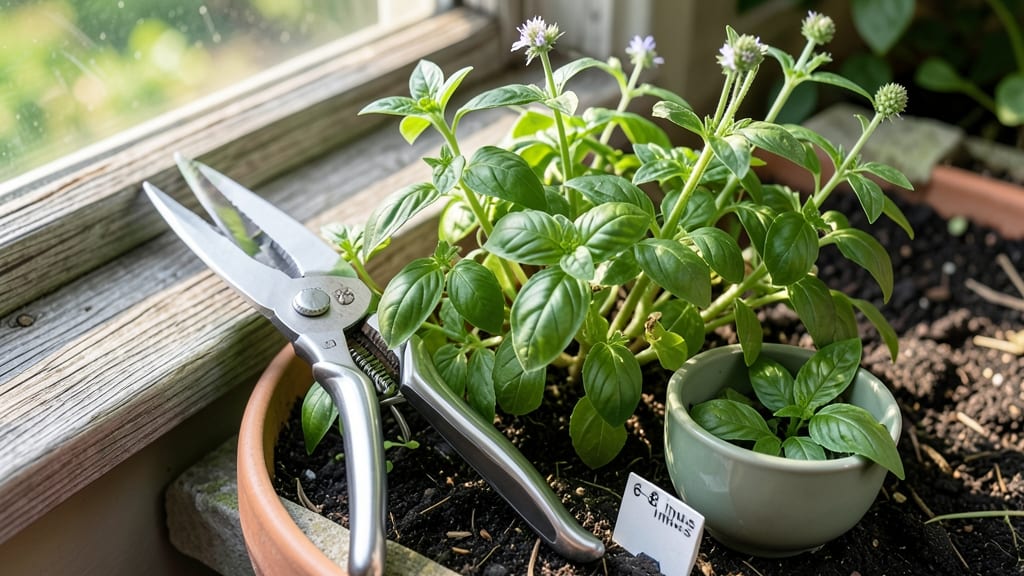
To harvest basil at the right time means keeping your plants lush, flavorful, and productive all season long—never letting them turn bitter or leggy.
Harvesting basil at the wrong time can turn your thriving plant into a leggy, flavorless shadow of its potential—while perfect timing unlocks bold, aromatic leaves and endless regrowth. The key is knowing when those leaves are ready, and it’s not just about size.
Most gardeners wait until the plant hits 6-8 inches tall, but the real test is leaf color, stem firmness, and even the scent. Sniff the leaves—if they smell like the fresh basil you crave, that’s your cue.
Too early, and you stunt growth; too late, and you risk flowering, which ruins the flavor.
In this guide, I’ll walk you through the three simple leaf tests to nail your harvest timing, plus how often to trim each basil type (Genovese, Thai, or Purple) for maximum yield. No more guesswork—just consistent, delicious harvests all summer.
The 3 key leaf tests to determine when to harvest basil
Timing your basil harvest is like catching a wave—too early, and you miss the sweet spot; too late, and you lose flavor and growth potential. The secret lies in your basil's leaves, which give subtle but unmistakable signals when they're ready.
I've learned that ignoring these cues leads to bitter leaves or woody stems, while perfect timing rewards you with aromatic, tender foliage and a plant that keeps producing for months.
Most gardeners focus on plant height, but the real magic happens in the leaves. A mature basil leaf should be 3-4 inches long, dark green with a rich, spicy aroma when crushed between your fingers.
The stems should feel firm but flexible, not brittle or hollow—a sure sign the plant is past its prime. These aren't just random observations; they're backed by how basil's essential oils develop as it matures.
Here's where many gardeners go wrong: they assume "bigger leaves mean it's ready," but size alone isn't enough. You also need to check the leaf color intensity and stem thickness. A leaf that's pale or yellowing?
That's a stress signal. A stem that's thick and woody? You've waited too long. The key is catching that sweet spot where leaves are large, dark, and fragrant—but before the plant puts energy into flowering.
- Leaf Size Test: Harvest when leaves reach 3-4 inches long (about the size of your thumb). Smaller leaves mean the plant isn't mature enough for full flavor.
- Color Intensity Test: Look for deep green, glossy leaves with purple undersides (in Genovese basil). Pale or yellowing leaves indicate stress or over-maturity.
- Stem Thickness Test: Pinch the stem—it should bend slightly but not break. Woody or hollow stems mean you've missed the harvest window.
- Aroma Check: Crush a leaf between your fingers. Ready basil smells strongly sweet and spicy; underripe leaves have little scent, while overripe leaves may smell dull or bitter.
- Growth Stage: Never harvest before the plant reaches 6-8 inches tall. Early harvesting stunts growth and reduces future yield by 30-40%.
Let me show you how these tests work in practice. Last summer, I had two basil plants side by side—one I harvested when leaves hit 2 inches, and another when they reached 3.5 inches.
The early-harvested plant produced small, mild leaves and never grew taller than 12 inches, while the properly timed plant reached 2 feet tall and kept giving me large, flavorful leaves for weeks. The difference was night and day.
One common mistake is waiting until flowers appear. By then, your basil's flavor has diminished by 50%, and the plant shifts energy from leaves to seeds. Those tiny white flowers might look pretty, but they're a clear signal you've missed your harvest window.
Always snip off flower buds as soon as you see them—they steal nutrients that could be going to your leaves.
Season also plays a role in these tests. In peak summer heat, basil grows faster, so you'll see those 3-inch leaves in just 3-4 weeks. But in cooler spring or fall, growth slows, and you might need 6-8 weeks to reach the same size.
That's why I adjust my harvesting schedule based on the season—more frequent checks in summer, less in spring.
The stem thickness test is often overlooked but is crucial for Genovese basil, which is prone to becoming woody. I learned this the hard way when I let a plant grow too tall—by the time I noticed the thick stems, the leaves had turned bitter and tough.
Now, I make it a habit to run my thumb along the stems weekly. If they feel firm but not hard, it's harvest time.
Here's a pro tip: use these tests to create a harvesting rhythm. Once your basil passes these checks, you can harvest every 3-4 weeks for continuous production. Just be sure to always leave at least 6-8 leaves per stem so the plant can keep growing.
This method has kept my basil thriving for 3-4 months per season.
Remember, these tests work for all basil varieties—whether you're growing Genovese, Thai, or Purple basil. The principles are the same: size, color, stem condition, and aroma. Master these, and you'll never have a basil plant that lets you down.
The next time you're in your garden, take a minute to check these signs—your taste buds will thank you.
Harvesting frequency by basil type: monthly schedules for Genovese, Thai, and purple basil
Not all basil is created equal—each variety grows at its own pace, and harvesting too often (or too little) can drastically affect your yield. Genovese basil thrives with daily harvesting to maintain its compact, flavorful structure, while Thai basil handles weekly pruning better due to its slower growth. Purple basil, with its delicate stems, needs a gentler approach.
Understanding these differences ensures you never sacrifice flavor for quantity—or vice versa.
Seasonal changes also play a critical role. Outdoor basil in peak summer (June–August) can handle more frequent harvesting, while indoor plants or those in cooler months (April–May or September–October) need a slower pace.
The key is balancing regrowth stimulation with plant stress avoidance—especially for varieties prone to legginess or flowering.
| Basil Type | Harvest Frequency | Best Time of Day | Seasonal Adjustments | Yield Impact |
|---|---|---|---|---|
| Genovese | Daily (morning) | 6–9 AM | Reduce to 3x/week in winter | Highest flavor retention |
| Thai Basil | Weekly (every 7–10 days) | Late morning | Skip harvesting in dormancy | Slower but hardier growth |
| Purple Basil | Every 10–14 days | Early afternoon | Avoid harvesting in frost risk | Delicate; prone to breakage |
For Genovese basil, I recommend harvesting every morning during peak growing season (June–August) to encourage bushier growth. Use clean scissors to snip just above a leaf node—this triggers new branches.
In winter months, reduce frequency to 3 times per week to avoid shocking the plant, especially if grown indoors where light is limited.
Thai basil, with its thicker stems and slower growth, doesn’t need daily attention. A weekly harvest (or every 10 days) is ideal, focusing on the outer leaves to protect the center.
This variety also handles dormancy better, so skip harvesting entirely if temperatures drop below 50°F (10°C)—it’ll rebound stronger in spring.
Purple basil is the most delicate of the trio, so harvest less frequently—every 10–14 days—and always use your fingers to pinch leaves rather than cutting. Its vibrant purple hue fades under stress, and over-harvesting can turn it leggy.
If growing outdoors, pause harvesting entirely when frost is forecasted—this variety is less cold-hardy than its green counterparts.
Pro tip: Always harvest in the morning when essential oils are at their peak. Avoid harvesting after noon, as leaves can wilt faster in heat, and never take more than 1/3 of the plant at once—this ensures your basil keeps producing like a champ all season long. 🌿