
How To
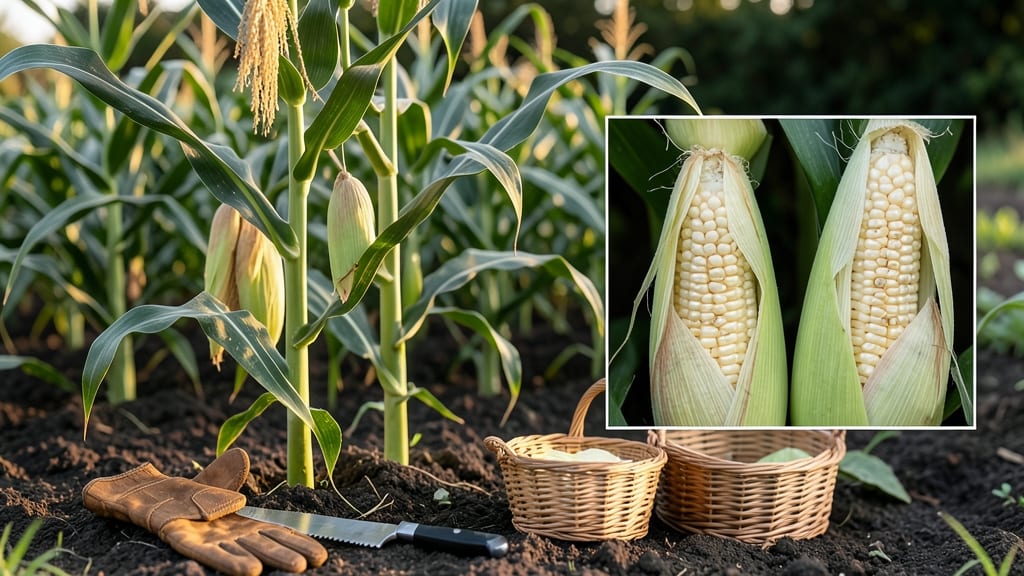
Harvesting sweet corn at the right time means the difference between juicy, sweet kernels and tough, starchy ears—so timing is everything.
Picture this: you’ve nurtured your 🌽 sweet corn all season, and now the moment of truth arrives. One wrong move, and those plump, tender kernels turn into something closer to popcorn.
That’s why knowing when to harvest isn’t just about days after planting—it’s about the milk stage, silk color, and even the weather forecast.
Most gardeners wait too long, missing the peak sweetness when kernels are plump but still firm, with a creamy white liquid inside. Skip this window, and you’re left with dry, mealy corn that’s a far cry from the sweet, buttery flavor you’re after.
The good news? With a few simple checks—like pressing a kernel or watching the silks—you can nail the perfect harvest every time.
In this guide, I’ll walk you through the exact signs to look for, regional timing tips, and how to preserve that fresh-picked sweetness once you bring your ears inside. No more guesswork, just perfectly timed corn straight from your garden to the table.
How to identify the perfect milk-stage for sweet corn harvest
Harvesting sweet corn at the milk stage is the secret to unlocking that perfect juicy, sweet flavor we all love. When corn reaches this stage, the kernels are packed with natural sugars and moisture, making every bite delicious.
But how do you know exactly when to pick? The answer lies in three key indicators: silk dryness, kernel color, and ear firmness. Mastering these signs ensures you never miss the window for peak ripeness.
First, let’s talk about the silks. When they first appear, they’re bright green and moist, signaling the plant is pollinating. But as the corn matures, these silks dry out and turn brown and crispy. This is your first clue that the kernels are developing.
However, waiting until the silks are completely dry can mean the corn is past its prime. The ideal time is when about 50-75% of the silks have turned brown—this usually aligns with the milk stage.
Next, focus on the kernels themselves. At the milk stage, if you cut into a kernel, you’ll see a milky white liquid oozing out. This liquid is packed with sugars, giving the corn its sweetness. If the kernel is still clear or watery, the corn needs more time.
Conversely, if the kernel is starchy and yellowish, you’ve waited too long, and the corn will be tough and less sweet. This visual cue is the most reliable way to gauge ripeness.
Finally, give the ear a gentle squeeze. At the milk stage, the ear should feel firm but not rock-hard. The kernels should also be plump and tightly packed, with no shriveled or uneven shapes.
If the ear feels soft or the kernels dent easily, it’s past its peak. This physical test ensures you’re picking corn that’s ready to eat fresh or store for later.
Regional timing can also play a role in when your corn reaches the milk stage. In warmer climates, like the Southern U.S., corn may mature faster—sometimes in as few as 60-70 days. In cooler regions, like the Northern U.S. or Canada, it might take 75-90 days to reach harvest. Always check your seed packet for specific days to maturity, but use the milk stage indicators as your final guide.
| Harvest Indicator | Not Ready (Underripe) | Perfect (Milk Stage) | Too Late (Overripe) |
|---|---|---|---|
| Silk Color | Bright green and moist | 50-75% brown and dry | 100% brown and brittle |
| Kernel Liquid | Clear or watery | Milky white | Yellowish or starchy |
| Ear Firmness | Soft or shriveled | Firm and plump | Hard or kernels dent easily |
| Kernel Size | Small and uneven | Large and rounded | Shriveled or wrinkled |
| Husk Color | Green and tight | Green but slightly loosened | Brown or dried out |
One trick I’ve learned is to harvest a few ears every 2-3 days once the silks start drying. This way, you’re always bringing in corn at its peak. Store any extra ears in the refrigerator for up to a week, or blanch and freeze them for later use.
This method also helps prevent overripe corn from spoiling on the stalk.
If you’re growing supersweet varieties, like 'Silver Queen' or 'Peaches and Cream,' they tend to mature slightly faster than standard sweet corn. These varieties often reach the milk stage in 65-75 days, so keep a closer eye on them.
Meanwhile, standard sweet corn like 'Country Gentleman' might take a few extra days. Always adjust your harvesting schedule based on the specific variety you’re growing.
Weather also plays a role in timing. Hot, dry spells can speed up maturation, while cool, rainy weather may slow it down. If you’re in a region with unpredictable weather, like the Pacific Northwest, it’s wise to start checking for the milk stage a few days earlier than expected.
Pay attention to your local forecast and adjust accordingly to avoid missing the sweet spot.
Finally, don’t forget to
5 Common mistakes that ruin sweet corn harvest timing (and how to avoid them)
Harvesting sweet corn at the wrong time can turn your garden's sweet treasure into a tough, starchy disappointment. Even experienced gardeners sometimes make critical errors that lead to wasted effort. The key to peak sweetness lies in understanding harvest timing cues and avoiding these five common pitfalls.
First, many gardeners wait too long to harvest, assuming bigger ears mean better flavor. But overripe corn quickly converts sugars to starch, leaving you with woody, dry kernels. Others harvest too early, pulling ears before they've reached full maturity, resulting in underdeveloped, shriveled kernels that lack sweetness.
Another frequent mistake is ignoring weather conditions. Hot, dry spells can accelerate ripening, while cool, wet weather slows it down. Without accounting for these factors, you might miss the perfect harvest window entirely. Even the most experienced growers can fall into these traps without proper preparation.
🚨 Critical Harvest Timing Warning
Harvesting sweet corn just 1-2 days too late can reduce sugar content by 50% or more. The milk stage—when kernels ooze milky liquid when pierced—is your golden window. Check ears every 2-3 days starting 20-25 days after silking to catch this fleeting moment.
One of the biggest oversights is not testing individual ears. Not all ears on a single plant ripen at the same time, so you can't rely on just one or two as your guide.
Always check multiple ears from different parts of the plant to ensure you're harvesting at the optimal maturity stage.
Another mistake is harvesting at the wrong time of day. Sweet corn is most flavorful in the early morning when sugars are at their peak.
Waiting until afternoon or evening can result in less sweet, more starchy kernels. This simple adjustment can make a noticeable difference in taste and texture.
Finally, many gardeners fail to account for variety-specific maturity times. Supersweet varieties like 'Silver Queen' may mature faster than standard types, while bicolor varieties like 'Peaches and Cream' often take longer. Always check the seed packet instructions for your specific variety to avoid misjudging harvest timing.
By recognizing these common mistakes and adjusting your approach, you'll be well on your way to harvesting perfectly sweet, tender corn every season. The secret lies in patience, observation, and consistency—three traits that will reward you with a bountiful harvest. 🌽