
How To
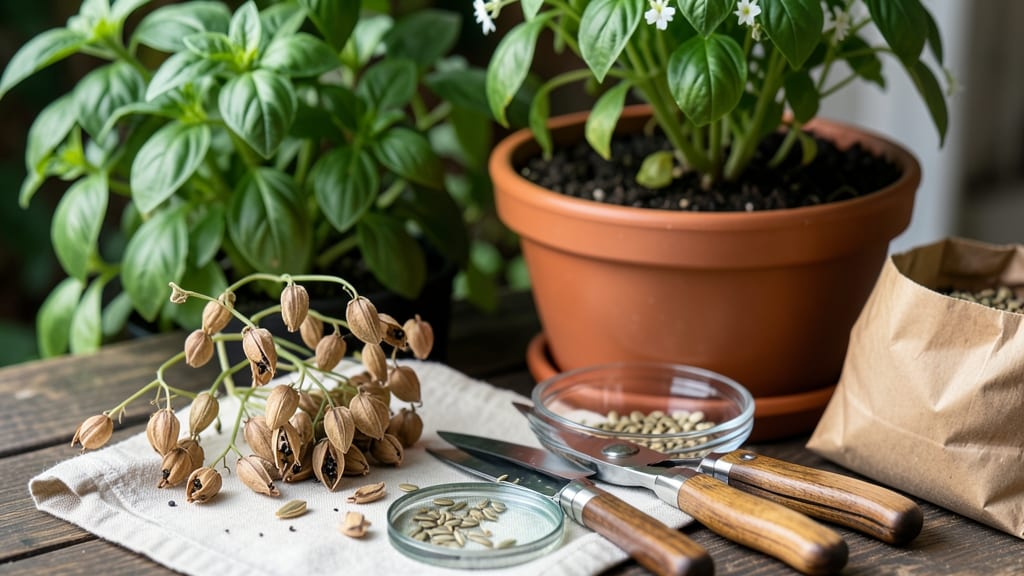
Harvesting basil seeds from your 🌿 plants is the secret to growing fresh herbs year after year without buying new seeds.
Did you know your basil plants can produce seeds that grow into new, thriving plants? Harvesting basil seeds is easier than you think—and mastering this skill ensures a never-ending supply of fresh herbs for your kitchen.
The key is timing: wait until the flowers fade and small seed pods form, then gently collect them before they burst open. A little patience here makes all the difference in seed quality and germination success.
In this guide, I’ll walk you through every step—from identifying mature seeds to drying and storing them properly—so you can enjoy homegrown basil for seasons to come.
When and how to identify mature basil seeds for harvesting
Harvesting basil seeds is one of the most rewarding parts of growing your own herb garden. Knowing when to harvest ensures you get viable seeds that will grow into healthy plants. The key is watching for flower formation and seed pod development, which signal it's time to act.
Basil plants typically start flowering about 60-90 days after germination, depending on your climate. When you see small white flowers appear, this is the first stage of seed production. These flowers will eventually turn into green seed pods, which is your cue to begin monitoring closely.
Here’s what to look for to determine if your basil seeds are ready for harvesting:
The best time to harvest basil seeds is when the flower pods turn from green to brown and start splitting open. These pods will eventually release tiny black seeds if left unharvested. If you wait too long, the seeds may scatter or become damaged, reducing their germination rate.
Timing is everything—harvesting too early means the seeds won’t be fully developed, while waiting too long risks losing them to wind or pests. Aim to collect seeds when the pods are dry and crisp but haven’t yet burst open.
This usually happens in late summer to early fall, depending on your growing zone.
For optimal results, focus on harvesting seeds from healthy, mature plants. Avoid using seeds from plants that show signs of disease or pest damage, as this can compromise the seed viability of your new plants. Always choose the strongest, most vibrant basil plants for seed production.
Once you’ve identified the perfect pods, gently twist them off the stem or use clean scissors to snip them. Place the pods in a paper bag to dry completely before extracting the seeds. This step ensures you capture every seed without losing any to the wind.
If you’re growing basil in containers, keep an eye on the flowering timeline, as potted plants may mature slightly faster than those in the ground. Adjust your harvesting schedule accordingly to avoid missing the window for seed collection.
Remember, the earlier you harvest your basil leaves, the more energy the plant will have to produce flowers and seeds. This means maintaining a balanced harvesting approach—prune leaves regularly while allowing some flowers to develop for seed production.
With patience and attention to detail, you’ll soon have a stash of homegrown basil seeds ready for your next planting season. Happy harvesting! 🌱
Step-by-step process to extract and dry basil seeds properly
Now that you’ve identified your mature basil seed pods, the next critical step is extracting and drying the seeds properly to ensure high germination rates.
Proper drying prevents mold, maintains seed viability, and protects against spoilage. I’ve perfected this process over years of gardening—here’s exactly how I do it for flawless results.
Start by placing your harvested seed pods in a clean, dry location with good airflow. Avoid direct sunlight, which can overheat the pods and damage the seeds.
Instead, choose a spot with indirect sunlight and moderate humidity, like a well-ventilated room or a covered porch. This balance is key to preserving seed quality.
- 1 Gently separate the pods from the stems by twisting or snipping cleanly. Avoid crushing the pods, as this can damage the seeds inside.
- 2 Spread pods on paper towels in a single layer. Place them in a dry, shaded area with airflow to prevent moisture buildup.
- 3 Dry pods for 7-10 days. They’re ready when they’re completely dry, brittle, and easily crumble between your fingers.
- 4 Crack open dried pods over a clean sheet of paper or envelope. Gently rub between your fingers to release the tiny black basil seeds.
- 5 Store seeds in airtight containers like glass jars or envelopes. Label with the harvest date and store in a cool, dark place for up to 2 years.
Once your seeds are fully dried, transfer them to small envelopes or airtight containers to protect them from humidity and pests. Label each container with the harvest year and variety (if applicable) to keep your seed collection organized.
I always store mine in a cool, dark pantry to maintain their viability for future plantings.
If you notice any mold or dampness during the drying process, immediately move the pods to a drier location and extend the drying time. Moldy seeds won’t germinate, so prevention is key.
For extra protection, you can place a silica gel packet in your storage container to absorb any lingering moisture.
Properly dried and stored basil seeds can last for 1-2 years while maintaining excellent germination rates. Test a few seeds annually to ensure they’re still viable—simply plant a small batch in soil and monitor their sprouting progress. This simple check gives you peace of mind for your next planting season.
With this method, you’ll have a reliable supply of homegrown basil seeds ready to grow into lush, flavorful plants whenever you’re ready. Happy seed saving! 🌱