
How To
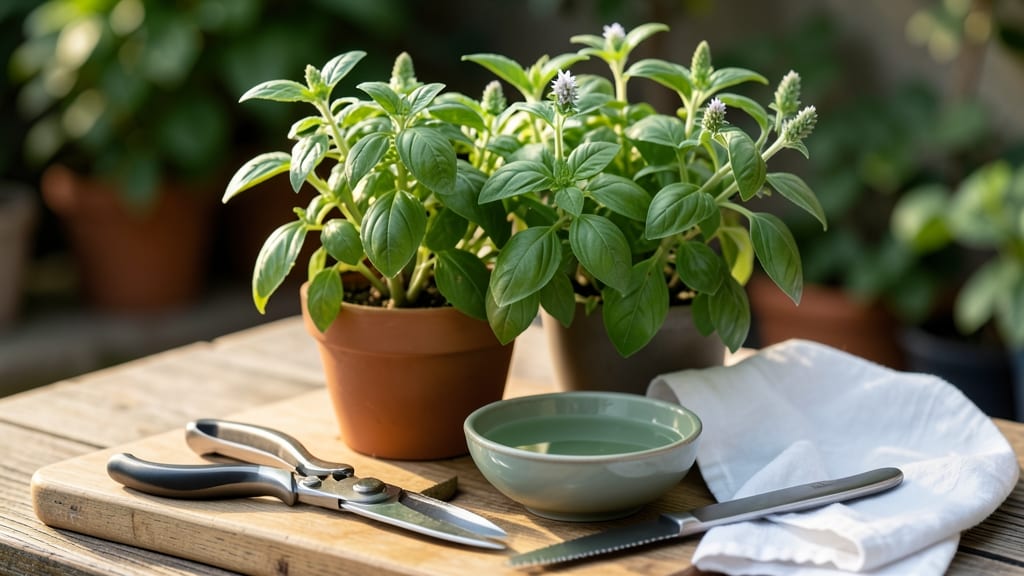
To harvest basil with pictures, start by pinching leaves just above a leaf node when your 🌿 basil reaches 6-8 inches tall—this keeps the plant bushy and flavorful.
Harvesting basil at the wrong time can leave you with bitter leaves or a leggy plant, but the right technique ensures a steady supply of fresh, aromatic herbs all season long. Whether you're prepping for summer cooking or preserving for winter, timing and method make all the difference.
In this guide, I’ll walk you through the exact steps—from identifying the perfect leaves to making clean cuts—with visual cues so you never over-harvest or damage your plant. You’ll also learn how to store your harvest and use it in recipes before it wilts.
Ready to turn your 🌿 basil into a thriving, high-yield herb garden? Let’s get started with the foolproof method that works every time.
When and how to harvest basil for maximum flavor and growth
Harvesting your basil at the right time is the secret to bold flavor and continuous growth. When done correctly, you'll encourage your plant to produce even more leaves while keeping them tender and aromatic.
The key is timing—wait until your basil reaches 6-8 inches tall with large, fragrant leaves, but never let it flower, as this signals the end of its productive cycle.
I always start harvesting my basil plants in late spring, once they've established a sturdy base. The ideal harvest time is morning, after the dew has dried but before the midday heat sets in.
This ensures the leaves are hydrated and packed with flavor. Use clean, sharp pruning shears or your fingers to avoid crushing the stems, which can lead to bitter-tasting leaves.
How to Harvest Basil: Step-by-Step Guide
Look for leaves that are 3-4 inches long and fully unfurled. These are ready for harvest and won't harm the plant when removed. Avoid picking the topmost leaves first, as this can stunt growth.
Use your thumb and forefinger or clean scissors to pinch the stem 1/4 inch above a leaf node. This encourages new growth from that node, promoting a bushier plant. Never cut more than 1/3 of the plant at once.
If you notice flower buds forming, remove them immediately. Flowering reduces flavor and signals the end of the plant's productive life. Cut these stems back to encourage more leaf growth.
For a continuous harvest, pinch leaves every 2-3 weeks during the growing season. This prevents the plant from becoming woody and ensures a steady supply of fresh, flavorful leaves.
After harvesting, use your basil leaves within 2-3 days for peak flavor. If storing, wrap them in a damp paper towel and place in a plastic bag in the fridge. For long-term storage, dry or freeze the leaves.
One common mistake I see is over-harvesting, which weakens the plant. If you take too many leaves at once, your basil may struggle to recover, especially in hot weather.
Always leave at least half the plant intact to ensure it can continue growing. Another tip: rotate your harvests around the plant to encourage even growth.
In my garden, I also avoid harvesting basil in the late afternoon, as the leaves can become wilting by the time I get around to using them.
Instead, I focus on morning harvests when the leaves are crisp and hydrated. This small habit has made a noticeable difference in both flavor and plant health.
For container-grown basil, the same rules apply, but be extra cautious not to remove too many leaves at once. Since containers have limited space, your basil relies on every leaf to photosynthesize and thrive. If you're growing multiple plants, prioritize harvesting from the healthiest-looking ones first.
Finally, keep an eye out for pests or disease after harvesting. If you notice yellowing leaves or chewed edges, address the issue immediately. Healthy plants produce the best-tasting basil, so always harvest from plants that look vigorous and disease-free. 🌿
With these techniques, you'll enjoy a bountiful basil harvest all season long. The key is patience and consistency—your plant will thank you with lush growth and incredible flavor every time you harvest. ✂️
Visual guide: step-by-step basil harvesting with picture annotations
Harvesting 🌿 basil correctly means knowing exactly which leaves to pick and how to cut them without harming your plant. The key is timing—wait until your basil reaches 6-8 inches tall with at least 6-8 large leaves.
This ensures your plant stays bushy and keeps producing flavorful foliage all season.
In this visual guide, I’ll show you the exact steps to harvest basil like a pro, including what to look for in photos. Whether you’re using clean scissors or your fingers, the method is simple but critical for maximizing yield and flavor.
Let’s dive into the numbered steps with clear visual cues.
One common mistake is harvesting too much at once, which can shock your plant. Always leave at least half the leaves to keep photosynthesis going. Another tip: Harvest in the morning when leaves are hydrated and flavors are strongest.
After harvesting, rinse leaves gently under cool water and pat dry with a paper towel. Store them in the fridge wrapped in a damp paper towel inside a plastic bag for up to a week. For long-term use, dry or freeze the leaves to preserve their aroma.
With these visual cues, you’ll never overlook a perfect harvest again. Your 🌿 basil will thrive, and you’ll always have fresh, flavorful leaves ready for your favorite dishes.