
How To
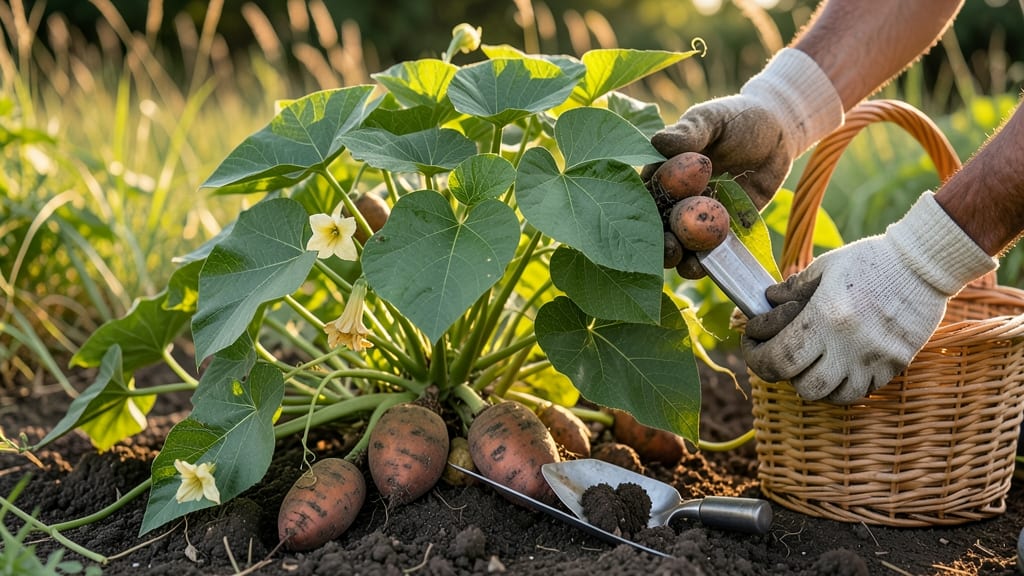
Harvesting sweet potatoes at the right time—between 90 and 150 days after planting—is the key to unlocking their full flavor and texture.
Imagine sinking your fork into a tuber that’s still woody or, worse, one that’s shriveled from sitting too long in the ground. That’s the risk when you guess instead of check for readiness.
The good news? You don’t need a crystal ball—just a sharp eye for foliage changes and a quick soil test.
Most varieties hit peak sweetness when the vines yellow and die back, but soil temperature and frost risk can shift that window dramatically. In Zone 6a, where first frost looms by late October, timing becomes even more critical.
Below, I’ll walk you through the exact signs to watch for—from leaf color to skin firmness—and how to adjust for your climate. No more harvesting too soon (or too late) to ruin your crop.

How many days until sweet potato harvest: growth stages explained
Sweet potatoes thrive in warm climates, and their harvest window spans 90 to 140 days after planting, depending on the variety and growing conditions. Unlike potatoes, which are harvested when the foliage dies back, sweet potatoes mature underground while the vines remain active.
Understanding these growth stages ensures you harvest at peak sweetness and texture.
The journey begins when you plant slips (young plants) after the last frost, typically in May or June in most U.S. zones. Early growth focuses on establishing a strong vine system, while roots develop slowly beneath the soil.
By 60 days, you’ll see rapid vine growth, but the real magic happens underground—tubers start forming and expanding.
Key growth phases include:
- Sprouting (0-30 days): Slips root and vines emerge.
- Vine Growth (30-60 days): Foliage thickens, and tubers begin forming.
- Tuber Bulking (60-90 days): Roots grow rapidly; foliage may yellow slightly.
- Maturity (90-140 days): Vines yellow and die back; tubers are fully developed.
Temperature plays a critical role—ideal soil temps for growth are between 70°F and 85°F. Cooler soils slow tuber formation, while extreme heat can cause stress. If your growing season is short, opt for early-maturing varieties like 'Beauregard' (90 days) to avoid frost-related issues.
🌱
| Variety | Days to Harvest | Skin Color | Flavor Profile | Best For |
|---|---|---|---|---|
| Beauregard | 90-100 days | Reddish-orange | Sweet, moist | Baking, roasting |
| Jewel | 100-110 days | Copper | Rich, nutty | Mashing, fries |
| Georgia Jet | 110-120 days | Dark red | Dry, starchy | Storage, pies |
| Bonita | 120-140 days | Tan | Sweet, moist | Fresh eating |
| Centennial | 130-150 days | Orange | Dry, sweet | Long-term storage |
The most reliable early indicator of harvest readiness is foliage color. When the vines start turning yellow and dying back, it’s time to check for maturity.
However, don’t wait until the vines are completely dead—this can lead to shriveled tubers. Instead, harvest when about half the foliage has yellowed.
For a foolproof test, gently loosen the soil around the plant with your hands or a trowel. If the tubers are 2-3 inches in diameter and the skin is tough (hard to pierce with a fingernail), they’re ready.
Smaller tubers will grow larger if left in the ground, but waiting too long risks wooden, fibrous roots.
In cooler climates, frost is the ultimate deadline. Sweet potatoes cannot tolerate frost, so plan to harvest before the first frost date. If frost is imminent, dig up the plants immediately—even partially mature tubers can be cured and stored for later use.
In warmer regions, you can extend the harvest season by mulching heavily to insulate the soil.
One common mistake is assuming all sweet potatoes take the same amount of time to mature. Variety selection is key: faster-maturing types like 'Beauregard' are perfect for short seasons, while slower varieties like 'Centennial' thrive in long, hot summers. Always check the seed packet or plant tag for days-to-maturity guidelines.
🍠
Sweet potato harvest checklist: foliage test vs. soil check methods
Timing your sweet potato harvest is all about balancing two key methods: the foliage test (watching for yellowing leaves) and the soil check (loosening roots in the dirt). Both methods reveal when tubers are ready, but they serve different purposes.
The foliage test is your first warning sign, while the soil check confirms readiness. Knowing which to prioritize—and how to do it safely—will save you from digging too early or missing the perfect window.
Most sweet potato varieties need 90 to 150 days from planting to harvest, but the exact timing depends on your climate and variety. For example, Beauregard matures in about 100 days, while Georgia Jet takes closer to 120 days.
The foliage test is your early indicator, but the soil check is how you confirm the tubers are fully developed without damaging them. Together, they ensure you harvest at peak sweetness and texture.
🌱 Key Takeaway: Harvest Sweet Potatoes When...
- Foliage Test: 50-70% of vines turn yellow and dry out (but don’t remove all leaves—some stay green)
- Soil Check: Tubers are 3-4 inches long, firm, and skin resists fingernail pressure
- Timeframe: 90-150 days after planting (earlier for small varieties, later for larger ones)
- Avoid: Harvesting after first frost (tubers turn woody) or before skin hardens (small, watery roots)
📅 Pro Tip: Mark your planting date and count backward—harvest before first frost (typically October 31 in Zone 6a).
Start with the foliage test as your first cue. When 50-70% of the vines turn yellow and begin to die back, it’s time to investigate further. This usually happens 2-4 weeks before the tubers are fully mature.
However, don’t wait too long—if the vines completely brown and dry out, the tubers may shrink or develop woody texture. The foliage test is especially useful in warmer climates where frost isn’t a concern.
Next, perform the soil check to confirm readiness. Gently loosen the soil around the base of the plant using a hand fork or trowel, being careful not to pierce the tubers.
Look for roots that are 3-4 inches long, firm to the touch, and have hardened skin (you shouldn’t be able to puncture it with your fingernail). If the tubers are still small or soft, wait 5-7 more days and check again.
This method is critical in cooler climates where foliage may yellow prematurely due to temperature drops.
To avoid damaging tubers during harvest, use these tools: a hand fork (for loose soil), gloves (to protect your hands), and a soft cloth or basket (to cushion the roots). Never use a shovel—it can slice through tubers. Instead, dig 2-3 inches away from the plant stem and lift gently.
Shake off excess soil, but don’t wash the tubers until you’re ready to store or cook them. Curing (healing) the skin for 5-10 days in a warm, humid space (like a garage) will improve sweetness and storage life.
Prioritize the soil check over the foliage test if you’re in a region with early frosts or unpredictable weather. Frost can kill the vines overnight, leaving you with no warning—but the tubers may still be underdeveloped.
Conversely, in hot climates, the foliage test is more reliable because the soil stays warm longer, and tubers mature steadily. Always harvest before the first frost to avoid woody, inedible roots.
Remember, sweet potatoes store best when harvested at the right time. If you dig them too early, they’ll be small and watery; too late, and they’ll be tough and bland. By combining the foliage test and soil check, you’ll nail the perfect harvest window every time. Happy digging! 🍠