
How To
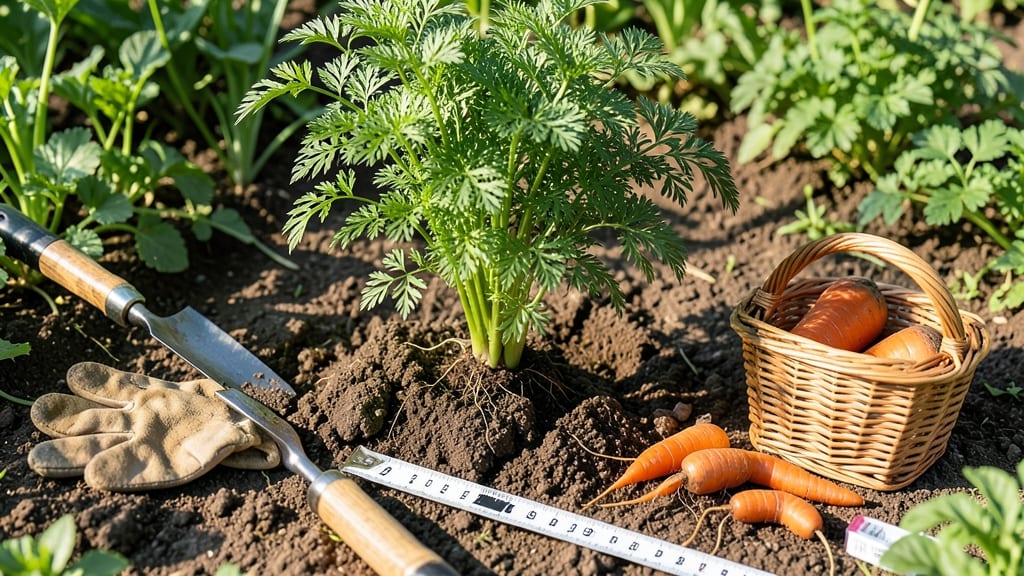
Harvesting carrots from seeds takes about 50 to 70 days to grow crisp, sweet roots—if you time everything just right.
Wondering when your carrot seeds will finally reward you with those crisp, vibrant roots you’ve been waiting for? Timing is everything in gardening—and getting the harvest window right means the difference between sweet, tender carrots and tough, woody disappointments.
Most gardeners overlook how soil temperature and variety affect growth speed, leading to either impatient early harvesting or waiting too long. The key is knowing when to check for those telltale signs—like leaf size and root thickness—that signal your 🥕 are ready.
Below, I’ll break down the exact stages, how to spot readiness, and the simple tricks that keep your carrots perfect every time.
Carrot seed germination to harvest timeline: 50-70 days explained
Growing carrots from seed is one of my favorite gardening adventures because it transforms tiny specks into vibrant, edible roots—but only if you time everything right.
The 50-70 day window from seed to harvest isn’t just a number; it’s a delicate balance of soil warmth, variety selection, and growing conditions. Get it wrong, and you’ll end up with either tiny, underdeveloped roots or tough, woody disappointments.
Let’s break down exactly what happens in those critical weeks.
First, those carrot seeds need the right conditions to wake up. Most varieties germinate best when soil temperatures reach 60-70°F (15-21°C). If your spring is chilly, wait until after your last frost date—usually April 15 in Zone 6a—to plant.
Cold soil slows germination, stretching that 50-day minimum into weeks of waiting. I’ve seen seeds take 2-3 weeks just to sprout in cooler conditions, which can delay your harvest by just as long.
Here’s where variety matters. Quick-harvest types like ‘Early Nantes’ or ‘Paris Market’ (mini carrots) mature in 50-60 days, perfect for succession planting. Heirlooms like ‘Purple Haze’ or ‘Danvers’ take the full 70-85 days, rewarding patience with deeper, sweeter roots.
Always check the seed packet—it’s your roadmap to success.
| Stage | Key Actions | Timeframe | Notes |
|---|---|---|---|
| Germination | Plant seeds 1/4" deep in warm soil (60-70°F). Keep moist but not soggy. | 7-14 days | Thin to 2" apart when seedlings emerge. |
| Seedling Growth | Thin to 3-4" apart. Mulch to retain moisture. | Days 14-30 | Avoid disturbing roots during thinning. |
| Root Bulking | Water deeply 2x/week. Fertilize lightly with 5-10-10. | Days 30-50 | Loose soil prevents forking. |
| Harvest Ready | Check for 6-8" roots or variety-specific size. Pull gently. | Days 50-70+ | Harvest before shoulders emerge from soil. |
During the root bulking phase (days 30-50), your carrots are growing fastest—and this is where most mistakes happen. Overcrowding leads to forked roots or stunted growth, while inconsistent watering causes woody texture.
I’ve learned the hard way that deep, infrequent watering (every 3-5 days) encourages longer roots, while shallow puddles create short, stubby carrots. A 1-inch layer of mulch helps maintain even moisture without the hassle of daily watering.
Light also plays a sneaky role. Carrots need 6+ hours of full sun daily, but too much heat in summer can speed up their growth cycle, making them bolting (flowering) before reaching maturity.
If you’re planting in late summer for a fall harvest, choose bolt-resistant varieties like ‘Rainbow’ or ‘Solar’ and keep them well-watered to delay bolting. In my garden, this means harvesting by late September before the first frost hits.
Don’t forget about soil quality. Carrots hate compacted or rocky soil—it causes those dreaded forked roots. Before planting, mix in 2-3 inches of compost and avoid working the soil when it’s wet.
I once grew carrots in heavy clay and ended up with more misshapen roots than edible ones. Amending the soil with sand or coconut coir makes all the difference for smooth, straight roots.
By day 50, your carrots should be ready for their first harvest if you’ve planted quick varieties. For heirlooms, wait until day 70 or beyond—this is when their sweetness peaks. Look for deep green leaves and roots that are firm to the touch.
If the shoulders (the top of the carrot) are visible above the soil, it’s time to pull them. I like to harvest on a cloudy day to reduce stress on the plants and keep them crisp.
Pro tip: If you’re growing baby carrots (like ‘Paris Market’), you can harvest as early as 40 days when they’re just 2-3 inches long. This gives you a head start and allows for succession planting every 2 weeks.
I’ve extended my harvest season by 2 months this way, enjoying fresh carrots from spring through fall.
Finally, remember that harvest timing isn’t set in stone. Factors like soil fertility, pests, and even weather patterns can shift your timeline. If your carrots are growing slower than expected, check for carrot rust fly or aphids and treat early
How to tell when carrots are ready to harvest (without guessing)
Checking your carrots for readiness doesn’t require guesswork—just a few simple visual cues and a quick soil check. The ideal harvest window falls between 50 to 70 days after sowing, but exact timing depends on your carrot variety and growing conditions.
For example, quick-maturing varieties like ‘Early Nantes’ may be ready in as little as 50 days, while heirlooms like ‘Danvers’ might need up to 85 days.
Most gardeners make the mistake of relying solely on days since planting, but soil conditions and leaf health are just as important. If you harvest too early, you’ll get tiny, underdeveloped roots.
Wait too long, and they’ll turn woody or split. The key is balancing these factors to get that perfect crisp, sweet carrot every time.
⚠️ callout warning
Many gardeners pull carrots based on a fixed 60-day rule, but this ignores soil temperature and variety differences. Cool soil slows growth—waiting for 60°F+ soil speeds up germination and harvest timing. Always check for leaf size and root visibility instead of counting days.
Pro Tip: Test soil readiness by pressing a finger 1 inch deep. If it’s firm but not hard, your carrots are likely ready.
Start by examining the carrot tops. Healthy, mature carrots have deep green leaves that are about 6-12 inches tall, depending on the variety. If the leaves are yellowing or wilting, it could signal stress—either from overwatering or nutrient deficiency.
Look for the shoulders of the carrots peeking above the soil; this is your first visual clue that roots have reached harvest size.
Next, use the soil probe method for a foolproof check. Gently loosen the soil around one plant with your fingers or a small trowel, then pull up a carrot. If the root is 6-8 inches long, has a smooth, tapered shape, and feels firm (not spongy), it’s ready.
If it’s smaller than 3 inches, give it another 10-14 days.
Watch out for forked or misshapen roots, which usually mean the soil was too rocky or compacted. If you spot these, adjust your soil prep for future plantings—aim for loose, sandy loam mixed with compost.
Also, avoid harvesting during hot afternoons, as carrots can bruise easily when pulled from warm soil.
For baby carrots (harvested at 3-4 inches), check for a firm, rounded top and tender texture. These are perfect for quick snacks or salads. Meanwhile, larger varieties should be harvested when their tops are fully unfurled and roots are straight and thick.
Once you’ve pulled a few test carrots, you’ll quickly learn your garden’s ideal harvest rhythm.
Remember, the earlier you harvest, the sweeter and crisper your carrots will be. Don’t let them linger in the ground past their prime—overgrown carrots lose flavor and texture fast. With these tips, you’ll never guess again!