
How To
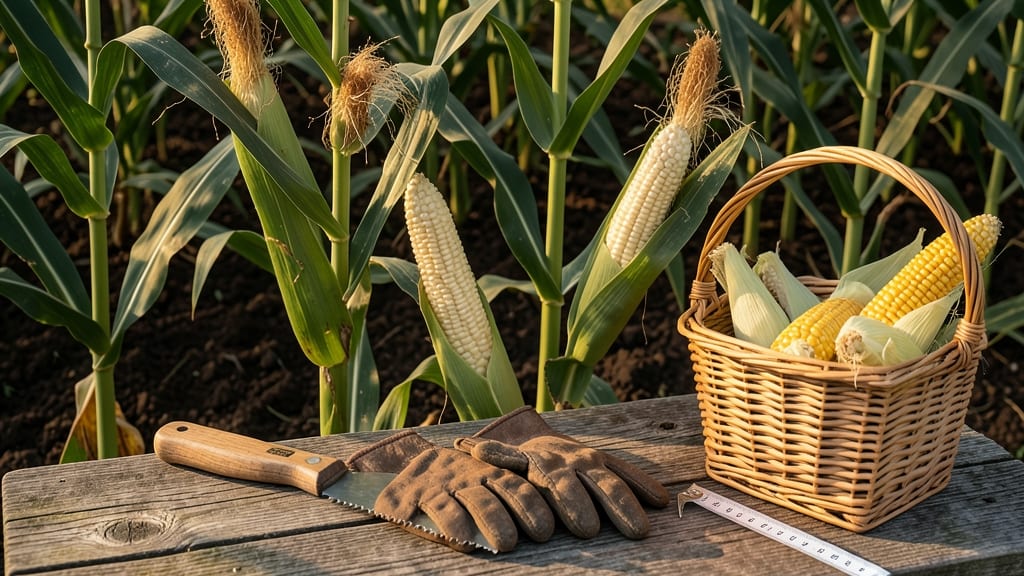
Harvesting corn at the right time means waiting 60 to 100 days after planting for peak sweetness and texture—too soon, and the kernels are bland; too late, and they turn tough.
Picture this: you’ve nurtured your 🌽 from tiny seedlings to towering stalks, only to wonder, Is it ready yet? The answer lies in those silks turning brown and kernels that ooze milky liquid when pierced—simple cues that make all the difference.
But here’s the catch: variety matters. Dwarf corn like 'Golden Bantam' may be ready in 60 days, while standard types like 'Peaches and Cream' need closer to 90 days. Climate plays a role too—short-season zones like 6a need early-maturing types, while warmer areas can stretch the window.
In this guide, I’ll break down the exact visual signals to watch for, how to adjust for your growing zone, and why a few extra days can mean the difference between buttery perfection and chewy disappointment.

How to determine corn harvest days by silk color & kernel development
Harvesting corn at the perfect moment transforms a good ear into a sweet, juicy masterpiece. The key lies in two simple but critical visual cues: silk color and kernel development.
Most corn varieties reach harvest readiness 20–30 days after pollination, but these signs tell you exactly when to pick—without guessing. Let’s break down what to look for and why timing matters.
First, mark the day your corn plants pollinate (when tassels release pollen onto silks). This is your starting point for counting harvest days. Most sweet corn varieties mature in 60–100 days total, but silk color and kernel firmness give you the final green light.
Ignore these cues, and you risk starchy, tough kernels or ears that never reach peak sweetness.
🌽 SUMMARY TABLE: HARVEST DAYS BY SILK & KERNEL STAGE
Stage
Silk Color
Kernel Test
Days After Pollination
Harvest Window
Early Milk Stage
Bright green/yellow
Soft, translucent (no milk)
15–20 days
Too early (starchy)
Peak Milk Stage
Drying brown
Firm, milky liquid when pierced
20–30 days
🌟 Optimal harvest
Dough Stage
Fully brown/dry
Hard, white (no milk)
30+ days
Too late (starchy)
At the peak milk stage, silks turn from bright green to dry, brown strands. This signals the 20–30 day window after pollination when kernels are at their sweetest. Test kernels by piercing one with your fingernail—if a milky liquid oozes out, it’s time to harvest.
Wait too long, and the liquid turns white, meaning the corn has entered the dough stage and lost sweetness.
Not all corn varieties follow the same schedule. Sweet corn like 'Ambrosia' matures faster (60–70 days), while field corn or heirlooms may take 90–100 days.
Check your seed packet for days-to-maturity estimates, but always verify with silk color and kernel tests. Short-season varieties (e.g., 'Bodacious') need extra attention—harvest them early to avoid frost.
Weather plays a sneaky role in harvest timing. Hot, dry spells can speed up maturity, while cool, cloudy conditions may delay it. If silks dry up but kernels stay hard, your corn might be underripe.
In this case, wait 2–3 more days or check neighboring plants for consistency. Overcast days can also trick you—silks may look dry when they’re not fully mature.
Pro tip: Harvest in the early morning when temperatures are coolest. This preserves sweetness longer. Twist ears gently from the stalk (don’t cut) and soak in warm water for 30 minutes before cooking to restore peak flavor.
For sweet corn varieties, this trick works miracles—even if you’re a day late!
If your corn silks turn brown but kernels feel hard and white, it’s past its prime. These ears are best for grilling or freezing, not fresh eating.
Conversely, if silks are still green after 30 days post-pollination, your corn may be struggling—check for pests, poor soil, or uneven pollination. Adjust care and give it a few more days.
For container-grown corn, harvest timing is even trickier. Potted plants often mature 5–7 days faster due to limited root space. Monitor silk color closely and harvest 2–3 days earlier than ground-planted varieties.
Dwarf varieties like 'Golden Bantam' are ideal for containers—they mature in 60–70 days and fit small spaces perfectly.
Remember: Corn sweetness peaks at harvest and declines rapidly. Once picked, store ears in the fridge for 3–5 days or freeze them immediately to lock in flavor. By mastering silk color and kernel tests, you’ll never miss the sweetest, juiciest corn of the season again. Happy harvesting! 🌽
Common mistakes that ruin your corn harvest timing
Even with perfect growing conditions, misjudging corn harvest timing can turn your hard work into bland or tough kernels. I’ve learned the hard way—overripe ears taste starchy, while underripe ones lack sweetness. The key lies in silk color, kernel development, and understanding how weather delays affect maturity.
Most gardeners focus on days to maturity listed on seed packets, but real-world factors like cool temperatures or drought stress can push harvest windows by weeks. For example, 'Peaches and Cream' might take 90 days in ideal conditions, but a 50°F snap can stretch that to 110 days.
Here’s the critical mistake: ignoring silk color. Bright green silks mean the ear isn’t ready, while dry brown silks signal peak ripeness. But even then, kernel firmness is your final judge—pierce one and look for milky liquid, not clear or hard kernels.
⚠️ Warning: These 3 Errors Destroy Your Corn Harvest
1. Harvesting by calendar days – Seed packets give 60–100 days ranges, but weather delays throw off timing. Always check silks and kernels first.
2. Waiting for silks to fall off – Dry silks mean overripe corn. Harvest when they’re brown and brittle, not gone.
3. Skipping kernel tests – A fingernail pierce reveals readiness. Milky = perfect; clear = past prime; hard = too late.
Another trap? Assuming all ears ripen at once. In my garden, the first ear might be ready while others lag behind by a week. I now check every stalk daily once silks appear, marking ripe ears with a flagging tape to avoid missing the window.
Heat waves also play a role. Temperatures above 90°F accelerate ripening, while cool nights slow it down. In USDA Zone 6a, I plant early-maturing varieties like 'Ambrosia' (70 days) to beat fall frosts, but even then, a late summer heatwave can push harvests earlier than expected.
To nail timing, use this checklist before harvesting: ☑ Silks are dry and brown ☑ Kernels are plump and milky when pierced ☑ Ear husks are tight and green ☑ Neighboring plants show ripe ears If you check all boxes, it’s time to harvest within 24 hours—corn loses sweetness fast after peak ripeness!