
How To
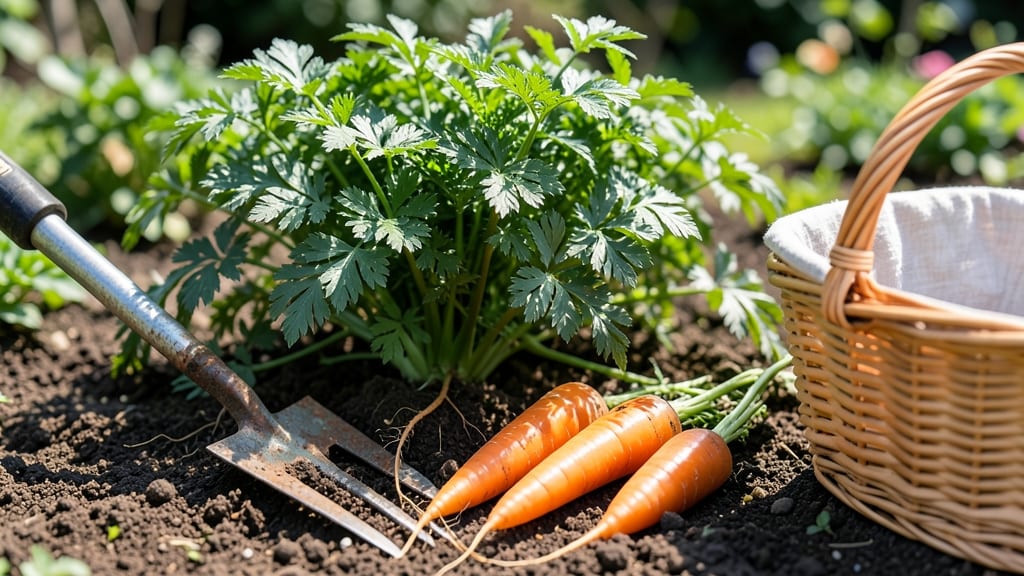
Harvesting carrots at 70 days is the sweet spot for peak flavor and texture—any earlier, and they’ll be woody or bitter; too late, and they’ll split or lose their crunch.
If you’ve ever pulled a carrot from the soil only to find it’s still tiny or tough, you’re not alone. The exact timing depends on the variety, soil conditions, and even your local climate—all factors that can shift your harvest window by weeks.
In this guide, I’ll break down the ideal days to harvest carrots based on common varieties, plus the visual cues that tell you it’s time to pull them from the ground. Whether you’re growing baby carrots or full-sized roots, these tips will help you time it perfectly.
You’ll also discover how to adjust for cooler weather, staggered planting, and the best way to store your harvest so it stays fresh longer. Let’s get those crunchy, sweet carrots ready for the table!

Carrot harvest timeline: days to maturity by variety
Timing your carrot harvest is the secret to sweet, crisp roots that burst with flavor. Unlike leafy greens, carrots take patience—each variety has its own maturity window, and rushing it can leave you with bitter, underdeveloped roots.
I’ve grown over 20 carrot varieties in my garden, and I’ve learned that soil temperature, daylight hours, and even your last frost date all play critical roles in when you’ll pull those perfect orange (or purple, or yellow!) roots from the ground.
For example, my Danvers carrots—classic orange beauties—always reach harvest readiness around 70 days in my USDA Zone 6a garden, but my Paris Market heirlooms take a full 85 days to develop their signature rounded shape.
The key? Understanding how growing conditions shift your harvest timeline by 10-15 days earlier or later. Let’s break down the exact days to harvest carrots by variety, plus how to adjust for your climate.
Notice how baby carrots like Little Finger reach harvest in just 45-55 days, while heirlooms like Paris Market need nearly double that time. The difference comes down to root size and purpose—baby carrots are harvested young for tender crunch, while heirlooms develop complex flavors over time.
My pro tip? Plant succession crops every 2 weeks to ensure a steady harvest all season long.
But here’s the catch: those harvest days are based on ideal conditions—60°F soil temps, 14+ hours of daylight, and consistent moisture. In cooler climates (like mine in Zone 6a), carrots often take 10-15 extra days to mature.
For example, my Danvers carrots planted in early April rarely hit 70 days until late June, while the same variety in Zone 8 might be ready by early June. Use a soil thermometer to track temps—roots grow best when soil stays between 60-75°F.
Daylight also shifts your harvest window. In northern latitudes, shorter summer days can slow growth, while southern gardeners might see 5-7 day faster maturation.
I once grew Purple Haze carrots in both my Zone 6a garden and a friend’s Zone 9a plot—the Zone 9 carrots were ready 12 days earlier despite identical care. To compensate, I plant my late-summer crops (like October harvests) with longer-maturing varieties to account for dwindling daylight.
Another game-changer? Soil fertility. Over-fertilizing with nitrogen (like grass clippings or high-N compost) sends energy to leaves instead of roots, delaying harvest by up to 2 weeks. I’ve made this mistake—my 2019 Chantenay crop took 95 days to harvest because I used too much manure.
Instead, use a low-nitrogen fertilizer (like 5-10-10) and focus on phosphorus and
Signs your carrots are ready to harvest (before checking the calendar)
Forget relying on a calendar—your carrots will tell you exactly when they're ready to harvest. The key is learning to read their visual and tactile cues, like the firmness of the skin or the color changes in the foliage.
I’ve harvested carrots too early (resulting in bitter, woody roots) and too late (leading to split roots), so I know these signs save you from wasted effort.
Start by checking the top of the carrot peeking above the soil. If it’s yellow or brown instead of green, that’s your first clue. Combine this with the size of the leaves—healthy, mature carrot tops should be about 6–8 inches tall for standard varieties.
These visual cues work together to give you the green light for harvest.
- 🟡 Yellow/brown stem (top of carrot) instead of green
- ✅ Firm skin that resists gentle thumbnail pressure
- 🔑 Deep, consistent color (orange, purple, or yellow)
- 📏 1–2 inches in diameter (for baby carrots) or 6–8 inches long (standard)
- 🌿 Lush, healthy foliage (no yellowing or wilting)
Don’t be fooled by the size of the leaves alone—some gardeners mistake lush foliage for maturity, only to find undersized roots. Instead, use your thumbnail test: press gently on the carrot’s skin.
If it feels firm but slightly yielding, it’s ready. A hard carrot needs more time, while a mushy one may be overripe or rotting.
Another common mistake? Harvesting when the soil is too dry or too wet. Dry soil makes roots tough, while soggy soil can cause them to split.
Aim for consistently moist (not waterlogged) soil—this ensures sweetness and prevents forking. I’ve learned the hard way that skipping this step leads to disappointing harvests.
If you’re growing heirloom or long varieties, wait until they reach their full length (often 8–12 inches). Baby carrots, on the other hand, are ready in 50–60 days when they’re 1–2 inches thick.
Pay attention to the variety’s growth rate—some mature faster than others, and checking the seed packet’s guidelines can help avoid guesswork.
Once you’ve confirmed these signs, harvest on a cool, cloudy day to reduce stress on the roots. Pull gently but firmly—if the carrot resists, wiggle it free to avoid breaking.
Store them in sandy soil or damp sand in the fridge for up to 3 weeks, or enjoy them fresh for the sweetest flavor.