
How To
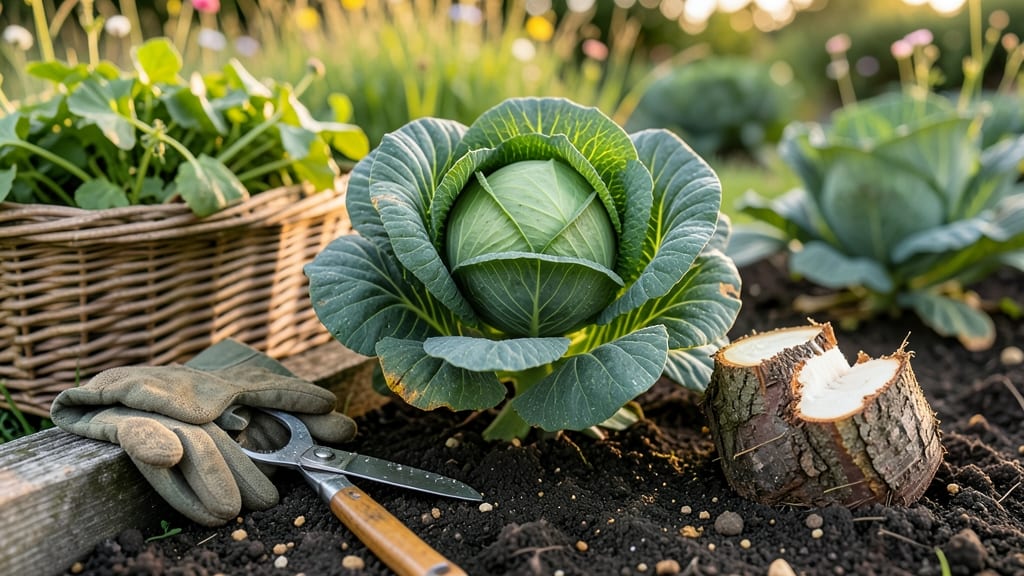
Knowing when to harvest cabbage 🥬 is all about spotting three key visual cues that most gardeners overlook — and missing them can turn your crisp, sweet heads into tough, bitter disappointments.
Picking too early means small, underdeveloped cabbage, while waiting too long leads to woody texture and faded flavor. The difference? A firm head, tightly wrapped leaves, and vibrant color that signals peak readiness.
In USDA Zone 6a, your spring-planted cabbage will be ready between June and August, but the exact timing depends on variety and growing conditions. Here’s how to tell when your cabbage is begging to be picked.
You’ll learn the three must-check signs before harvesting, plus how to avoid common mistakes that ruin your crop — so you can enjoy homegrown cabbage at its best.
3 Key visual signs your cabbage is ready for harvest
Cabbage plants don’t send text messages or flash neon signs when they’re ready for harvest—but they do give unmistakable visual cues if you know what to look for. The difference between a crisp, sweet head and a woody, bitter mess often comes down to timing.
As someone who’s harvested dozens of cabbage heads over the years, I’ve learned that three key visual signs determine perfect readiness: head firmness, leaf color shifts, and size benchmarks specific to your variety.
Most gardeners focus on days-to-maturity labels, but those are just general guidelines. Your local climate, soil quality, and even rainfall can shift that window by weeks.
For example, my red cabbage often matures 10 days earlier than the green variety in the same bed—because of subtle differences in leaf density and color intensity. Let’s break down the three foolproof visual cues that’ll have you harvesting at peak perfection every time.
Let’s talk about head firmness first, because this is where most gardeners go wrong. A ripe cabbage head should resist gentle pressure—imagine pressing a ripe apple. If it gives slightly, it’s not ready.
I once harvested a green cabbage that felt firm but had a hollow core when I cut it open. That’s a classic sign of overmaturity, which happens when the plant diverts energy from the head to seeds. Always check firmness before size.
Next, pay attention to the leaf color and texture. The outer leaves should curl inward tightly, almost like a closed umbrella. For red cabbage, the color should be uniform and vibrant—no green streaks or faded spots.
My savoy cabbage variety, ‘Napa’, develops deep crinkles that become more pronounced as it matures. If the leaves start yellowing or browning at the edges, that’s a sign the head is stressed or past its prime.
Size benchmarks vary by cabbage variety, so always check your seed packet. Green cabbage like ‘Golden Acre’ typically matures at 6-8 inches, while red cabbage such as ‘Ruby Perfection’ can reach 10-12 inches. Savoy cabbage, like ‘Black Magic’, often stays smaller—around 5-7 inches.
The key is watching for when the head stops growing. I measure mine weekly after they reach half their expected size to track progress.
Here’s a pro tip: Harvest in the morning when temperatures are cool. Cabbage heads are firmest and most flavorful after a night’s rest. I’ve noticed that heads harvested in the late afternoon sometimes feel softer due to heat stress.
Use a sharp knife to cut the head 1-2 inches above the soil, leaving the stem intact for potential regrowth if it’s a fall variety.
One mistake I see often is waiting too long because the head “looks big enough.” But size alone isn’t enough—you need that combination of firmness, color, and leaf tightness. For example, my red cabbage once grew to 12 inches but had pale, loose leaves.
When I cut it open, the core was hollow and bitter. That’s why I now harvest 2-3 days before the head reaches its maximum size if the other signs are there.
If you’re growing multiple cabbage varieties, keep a small notebook by your garden. Jot down when each head reaches the three key signs—it’ll help you predict future harvests.
For instance, my green cabbage matures in 70 days, but my red cabbage takes 80 days under the same conditions. Tracking these details saves time and prevents overcrowded harvests.
Remember, cabbage heads continue to ripen after harvest, but they won’t improve if they’re underripe or overripe. A perfectly timed harvest means crisp, sweet cabbage that stores well for weeks.
Next time you’re checking your plants, run your fingers over the head, peek at the leaf color, and measure the width. Those three simple checks will change your harvest game forever.
Common harvest mistakes that ruin your cabbage
Waiting too long to harvest your cabbage 🥬 transforms its sweet, crisp texture into a tough, bitter mess—yet many gardeners overlook the subtle signs that signal it’s past its prime.
The moment you notice yellowing outer leaves or a loose head structure, your cabbage has already peaked, and flavor declines rapidly.
Extreme heat or cold can also trick your cabbage into maturing faster than expected. In USDA Zone 6a, summer heat accelerates bitterness, while early fall chills can cause heads to split. These weather-induced mistakes are why timing your harvest isn’t just about days-to-maturity—it’s about reading your garden’s conditions.
Even the time of day you harvest matters. Picking in the early morning ensures maximum freshness, as overnight moisture keeps leaves crisp. Harvesting in the afternoon can leave cabbage wilted and less flavorful—so plan ahead for the best results.
⚠️ Warning: 3 Mistakes That Ruin Cabbage Flavor
- Overripe heads: Waiting until leaves yellow or heads split turns sweet cabbage bitter and woody.
- Ignoring weather: Heat stress or frost can prematurely age cabbage, making it unpalatable.
- Wrong harvest time: Picking in the afternoon causes wilting; morning harvests preserve crispness.
Pro Tip: Harvest before heads exceed 6-8 inches in diameter for the best texture.
Another common error is pulling instead of cutting the cabbage. Tugging at the stem can damage the plant’s roots, leaving it vulnerable to pests and disease. Always use a sharp knife to slice the head cleanly, about 1 inch above the base, to avoid stressing the plant.
If your cabbage heads start to loosen or split, it’s a clear sign you’ve missed the window. Split cabbage won’t recover its quality—so prioritize regular checks every 3-5 days during peak growing season. This habit ensures you catch the perfect moment before flavor fades.
For a second crop, replant succession varieties every 2-3 weeks after your first harvest. This staggered approach guarantees a steady supply of fresh, flavorful cabbage all season long—without the risk of overmaturity.