
How To
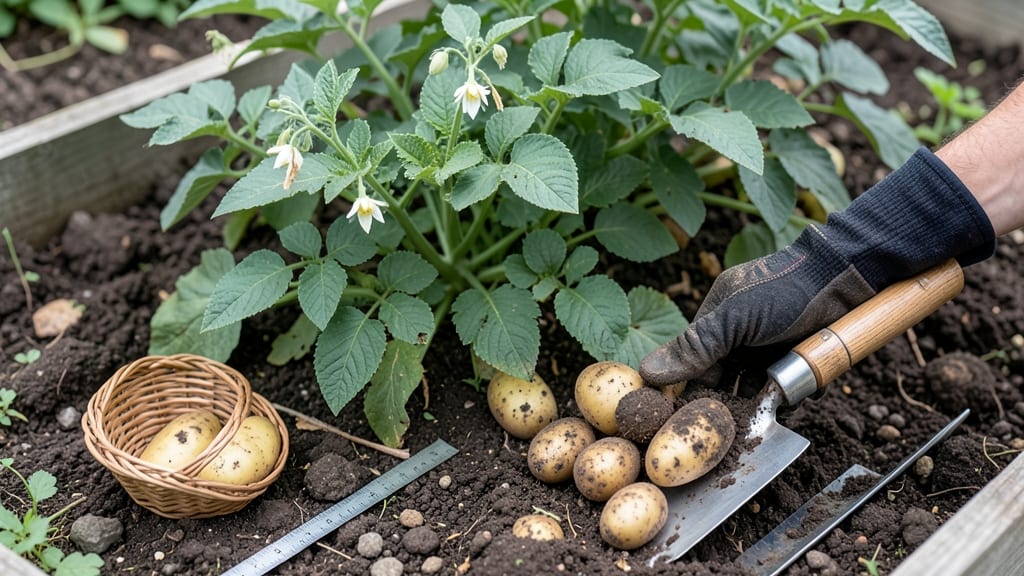
How do you know the time to harvest potatoes? It’s all about reading the plant’s signals—skin color, foliage changes, and even a simple finger test under the soil.
Digging up potatoes too early means small yields, but waiting too long risks shriveled spuds—so how do you know the perfect moment to harvest? The answer lies in a mix of visual cues and hands-on checks that work for both new potatoes and storage varieties.
Start by watching for yellowing leaves and wilting stems, classic signs that tubers are maturing below ground. Then, use the finger test to gauge size and firmness, ensuring you don’t miss the window between 60 and 90 days after planting.
In this guide, I’ll break down the exact steps—from skin color tricks to seasonal timing—so you can pull potatoes at peak flavor and texture, whether you’re in Zone 6a or adjusting for your local climate.

The finger test method: how to check potato readiness underground
Harvesting potatoes at the perfect moment means the difference between plump, flavorful tubers and shriveled, tough spuds. While above-ground signs like yellowing foliage help, the finger test is the most reliable way to check potato readiness underground.
This simple method lets you assess tuber size and skin thickness without digging up your entire crop prematurely.
The finger test works by gently probing the soil around your potato plants to feel for mature tubers. Unlike guessing by days after planting, this hands-on approach accounts for soil conditions, variety differences, and weather variations.
I’ve used this method for years—it’s saved me from harvesting too early (and getting tiny new potatoes) or too late (and dealing with sprouting tubers).
Start testing about 2 weeks before your expected harvest date, which typically falls 75-90 days after planting for most varieties. For early harvests (like new potatoes), you might test as early as 50 days.
The key is consistency: check the same spots each time to avoid disturbing the roots.
- Choose a dry day after rain to avoid muddy soil. Pick 2-3 plants that look healthy and representative of your crop.
- Gently part the soil with your fingers about 4-6 inches deep, where most tubers form. Avoid using tools to prevent damage.
- Feel for round, firm objects (the tubers). If they’re smaller than a golf ball (1.5 inches), wait 1-2 weeks before retesting.
- Press your thumbnail into the tuber’s skin. If it resists slightly but doesn’t puncture, the potato is ready. If it dents easily, it’s not mature yet.
- Check for skin thickness. Mature potatoes have thicker, papery skin (tan, brown, or red depending on variety). Thin, green skin means more time in the ground.
- If most tubers pass the test, it’s time to harvest within 3-5 days to avoid over-maturity and sprouting.
Why does the finger test work so well? Unlike digging up every plant, this method lets you sample without stressing the crop. It also accounts for soil moisture and temperature, which can speed up or slow down tuber development.
For example, sandy soils may dry out faster, causing tubers to mature earlier than in clay-heavy soils.
Pay attention to the tuber’s texture during the test. A ready potato feels firm but not hard—like a ripe avocado. Over-mature potatoes can become woody or sprouted, while under-mature ones stay soft and mealy.
Pro tip: If you find a few ready tubers but others are still small, harvest the mature ones first and leave the rest in the ground for another week.
This method is especially useful for storage potatoes, which need to develop thicker skins to prevent rotting during winter. For new potatoes (harvested young), you’ll want to test earlier and aim for 1-inch diameter tubers with thinner skins.
The finger test helps you time the harvest window precisely for either goal.
One common mistake is testing too shallowly. Many gardeners only check the top 2-3 inches of soil, missing deeper tubers. Always probe to 6 inches deep—that’s where most of your harvest will be hiding.
If your soil is very loose (like in raised beds), you might find tubers even deeper, up to 8-10 inches.
For container-grown potatoes, adapt the test by gently sifting through the potting mix. Since containers dry out faster, tubers may mature 1-2 weeks earlier than in-ground plants. Use your fingers to feel for tubers along the sides of the pot, where roots often grow toward the edges.
Remember: The finger test is your best friend for avoiding wasted effort. No more digging up your entire crop just to find a few ready potatoes—or waiting until your entire harvest turns to green, sprouted messes.
With practice, you’ll develop a feel for when your potatoes are perfectly ripe and ready to harvest.
Skin color & plant signals: above-ground clues for harvest time
One of the easiest ways to know when potatoes are ready for harvest is by watching their skin color and foliage changes. Most varieties develop a tan or brown skin when mature, signaling it’s time to dig.
This shift happens because the tubers stop growing and focus on storing energy for the plant.
For new potatoes, you might see a thin, papery skin (often still slightly green) around 60-70 days after planting. Storage varieties, however, need 90 days or more to develop that thick, protective brown skin that resists bruising.
🌱
Don’t ignore flowering patterns, either. Many potato varieties bloom 60-75 days after planting, which is your first hint that tubers are forming below ground. However, some late-maturing varieties (like Russets) may skip flowering entirely, so always double-check with the finger test.
Watch for foliage yellowing as another key signal. When leaves turn brown and die back naturally (not from disease), it’s a sign that the plant is redirecting energy to the tubers. This usually happens 1-2 weeks before peak harvest time, so act quickly to avoid rotting in the soil.
🌿
For early varieties like Red Pontiac or Yukon Gold, you can harvest as soon as foliage yellows, even if flowers haven’t appeared. But late varieties (such as Kennebec or Fingerlings) may need 10-14 extra days after yellowing to reach full maturity.
Always check the seed packet or variety guide for specific timing.
Pro tip: If you’re unsure, dig up one plant and check the tubers. If they’re 2-3 inches wide with firm skin, it’s time to harvest the rest. If they’re still small or green, wait another 7-10 days and test again.