
How To
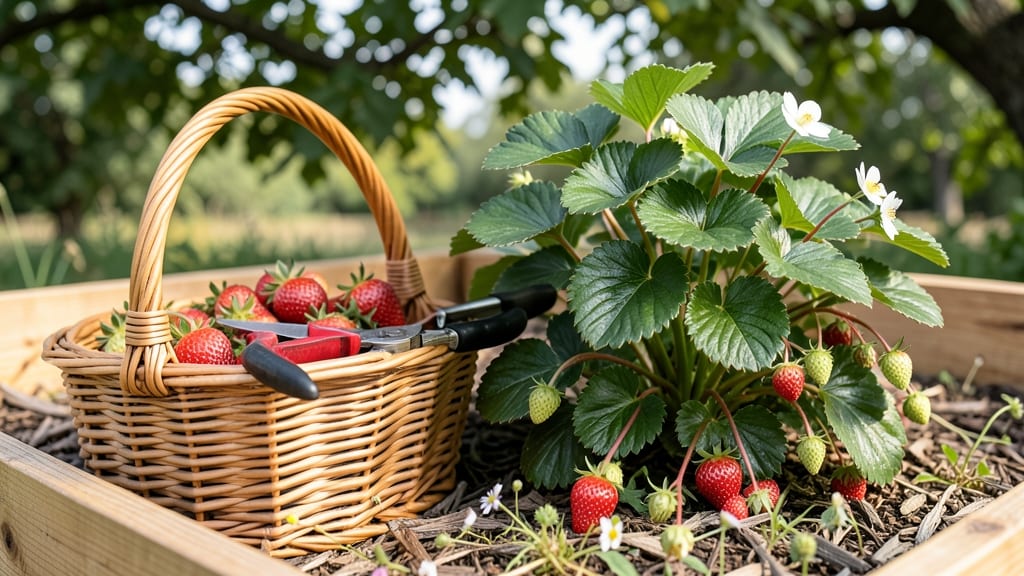
Harvesting strawberries at the right time means the difference between sweet, juicy fruit and tart, mealy disappointment — and it usually takes 30 to 90 days after flowering to reach peak ripeness.
Picking strawberries too early means bland, underripe fruit, while waiting too long risks birds or rotting—so how do you know exactly when to harvest for peak flavor and texture? The answer lies in five simple signs: color, firmness, size, aroma, and even the tiny seeds.
Most gardeners assume strawberries are ready when they turn red, but that’s only part of the story. A truly ripe 🍓 will also yield slightly to gentle pressure, smell sweetly, and detach easily with a small stem. Ignore these cues, and you might miss the harvest window entirely.
In this guide, I’ll break down the exact timing for June-bearing, everbearing, and day-neutral varieties, plus pro tips to extend your harvest season and avoid common mistakes that waste your hard work.
Strawberry ripeness guide: 5 key signs to harvest at perfect peak
Timing your strawberry harvest is an art—wait too long, and you risk losing fruit to birds or rot. Pick too early, and you’ll end up with mealy, underripe berries that lack sweetness.
The secret lies in mastering 5 key ripeness indicators that guarantee peak flavor and texture every time you harvest.
Strawberries ripen quickly, often in just 24-48 hours, so checking them daily is essential. The best time to harvest is early morning when temperatures are cool, preserving their juiciness.
By understanding these visual, tactile, and aromatic cues, you’ll know exactly when to pluck your strawberries for the sweetest, most flavorful harvest.
Pro Tip: Use clean scissors or your fingers to twist the berry gently—it should detach cleanly with a tiny stem attached. Never pull or yank, as this can damage the plant and future fruit.
| Ripeness Indicator | Description | Action to Take |
|---|---|---|
| Color | Fully red (or variety-specific color like white or yellow). No green patches. | Harvest within 24 hours—color fades quickly after ripening. |
| Firmness | Gives slightly when gently squeezed (like a ripe peach). | Pick immediately—overripe berries turn mushy and attract pests. |
| Aroma | Sweet, fragrant smell when crushed or near the plant. | Harvest when scent is strongest—this peaks at full ripeness. |
| Seed Color | Deep red seeds (not white or pale). | Wait until seeds darken—this signals sugar development. |
| Ease of Removal | Detaches easily with a small stem (no force needed). | Pick now—resistant berries are underripe. |
The color of your strawberries is the first clue—fully red (or the variety’s mature hue) means it’s ready. June-bearing varieties like 'Chandler' turn bright red first, while everbearing types like 'Seascape' may stay slightly paler. Ignore green patches, as they indicate underripeness and a tart, bland flavor.
Next, test firmness by gently squeezing the berry between your thumb and forefinger. A ripe strawberry should yield slightly—like pressing a ripe avocado. If it’s rock-hard, it needs more time. If it’s mushy, it’s past its prime and best used immediately (or composted to avoid spreading rot).
Don’t overlook the aroma—a ripe strawberry releases a sweet, tangy scent when crushed. Sniff near the plant: if you detect a fragrant, fruity smell, that’s your cue to harvest. This scent peaks at full ripeness and fades quickly afterward.
Check the seeds for a final confirmation. Fully ripe strawberries have deep red seeds (or the color of your variety). If the seeds are white or pale, the berry isn’t ready yet. This trick works especially well for day-neutral varieties like 'Albion,' which ripen more gradually.
Seasonal variations matter! In hot climates (Zones 8-10), strawberries ripen faster due to higher temperatures, so check them daily. In cooler zones (6-7), ripening slows, and you may only need to harvest every 2-3 days. Always pick in the morning when berries are coolest and most flavorful.
Common Mistake: Waiting until strawberries are fully detached from the plant. By then, they’re often overripe and prone to mold. Instead, harvest when they’re 90% ripe—they’ll continue ripening slightly after picking, thanks to ethylene gas.
Store harvested strawberries in the fridge (not the crisper drawer) for up to 3 days to preserve freshness. For longer storage, freeze them whole on a tray before transferring to a bag.
Now that you’ve mastered these 5 ripeness signs, you’re ready for a bountiful, flavor-packed strawberry harvest every season!
When to pick strawberries by variety: June-bearing vs. everbearing vs. day-neutral
Not all strawberries ripen at the same time—your harvest schedule depends entirely on the variety you're growing. June-bearing types produce one massive first-flush crop in early summer, while everbearing varieties deliver two smaller harvests, and day-neutral types keep producing all season long.
Knowing these differences helps you plan ahead and avoid missing peak ripeness.
Your climate zone also shifts harvest windows. Warmer regions like Zone 9 may see June-bearing strawberries ripen in May or June, while cooler Zone 5 gardens might not hit peak flavor until late June or July.
Everbearing varieties in cold climates often produce their second-flush crop in late summer, while day-neutral types stretch harvests into early fall.
| Variety | Harvest Window | Key Ripening Cues | Climate Adjustments |
|---|---|---|---|
| June-Bearing | 3-4 weeks (June-July) | Fully red, soft, sweet aroma | Warmer zones: May; cooler zones: July |
| Everbearing | 2 harvests (June & Sept) | Bright color, slight give | Second flush may fail in cold zones |
| Day-Neutral | Continuous (May-Oct) | Uniform color, detaches easily | Longer harvest in warm climates |
June-bearing varieties like Jewel or Chandler deliver their entire year's crop in one 3-4 week window. To maximize yield, harvest every 2-3 days during peak season, as ripe berries signal the plant to produce more. Miss this window, and you'll have to wait another year for another chance.
Everbearing types such as Ozark Beauty or Seascape offer two harvests: a small first-flush in early summer and a larger second-flush in late summer. The second crop often suffers in cold climates, so mulch heavily to protect plants and extend the season.
In warmer areas, you might even get a third mini-harvest in fall.
Day-neutral varieties like Albion or Tristar are the marathon runners of strawberries, producing fruit continuously from spring to frost. They thrive in containers and high-tunnels, where you can control temperature.
For these types, focus on weekly harvesting to encourage steady production—never let more than 1/3 of the berries ripen at once.
Pro tip: Mark your calendar based on your last frost date. June-bearing varieties need 14-16 hours of daylight to trigger flowering, so they won't produce until after your region's long days arrive. Everbearing and day-neutral types are more flexible but still need consistent care to deliver their best flavor.