
Picking
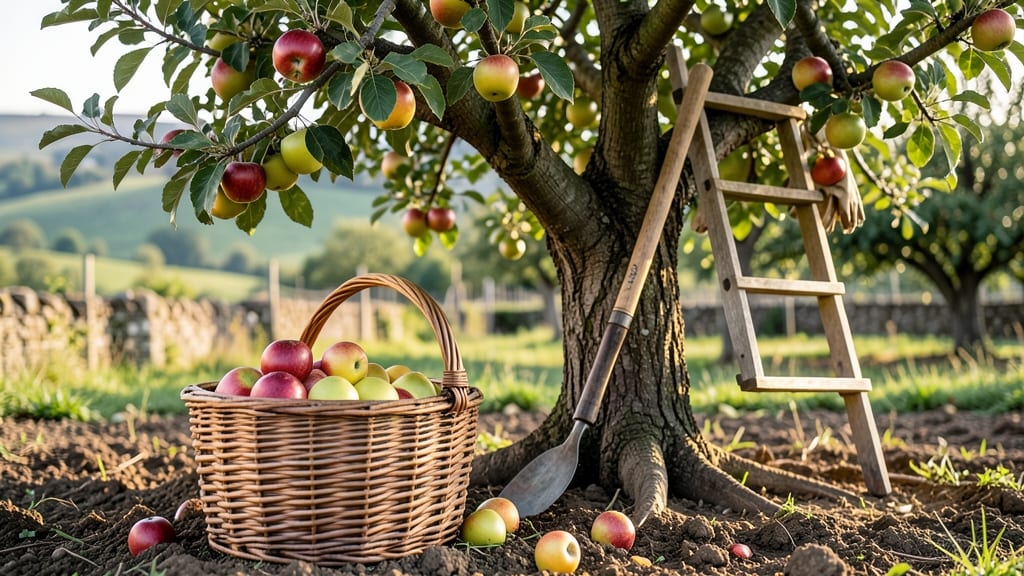
The time to harvest apples in General (USDA Zone 6 default) arrives when fruit meets five key cues—color, size, stem separation, texture, and aroma—that signal peak ripeness.
Picture this: a 🍎 that’s fully colored but still firm, with a stem that twists off cleanly when you give it a gentle tug. That’s the sweet spot between too soon (tart, underdeveloped) and too late (mealy, overripe).
Miss it, and you’re left with apples that taste like cardboard—or worse, drop to the ground before you can pick them.
But timing isn’t just about visuals. Varieties like Fuji or Gala ripen weeks apart, and a late frost or early heatwave can shift the window.
What you think you know about harvest time might not apply to your orchard—or even your neighbor’s. That’s why I’m breaking down the exact signs to watch for, plus how climate and variety play into the equation.
By the end, you’ll know not just when to harvest, but how to store your apples for months (or bake them into pies before they spoil). Let’s get started.

5 Key visual and physical signs your apples are harvest-ready
Harvesting apples at the right moment transforms your orchard’s bounty into sweet, crisp fruit instead of mealy disappointments. But how do you know when those Fuji, Gala, or Granny Smith apples are truly ready?
The answer lies in a mix of color changes, texture cues, and even subtle aroma shifts—each variety has its own telltale signs. Ignoring these clues can mean waiting too long (and watching your apples rot on the tree) or picking too early (and sacrificing flavor).
Let’s break down the 5 essential signs your apples are begging to be harvested.
First, understand that no single cue guarantees perfection—it’s the combination of these signals that confirms your apples are at peak ripeness.
For example, a red apple like Honeycrisp might look fully colored but still feel rock-hard, while a yellow apple like Golden Delicious could separate easily from the stem but lack sweetness. Paying attention to these details ensures you’re picking apples that taste like summer, not storage bins.
Here’s where the magic happens—your apples are speaking to you through visual and physical cues. Miss these, and you might end up with fruit that’s either too tart or too soft. The good news?
These signs are easy to spot once you know what to look for. Whether you’re a backyard gardener or managing a small orchard, mastering these 5 key indicators will elevate your harvest game.
-
🍎 Full, Consistent Color
Apples develop their mature hue just before harvest. Red varieties (like Gala) deepen to a bright crimson, while yellow apples (like Granny Smith) turn a golden-green. Patchy or pale spots mean wait longer.
-
👆 Stem Separation Test
Gently twist an apple’s stem—if it snaps cleanly (not tears), it’s ready. A stubborn stem means more time on the tree. Overripe apples may fall off on their own.
-
🍏 Firm Yet Slightly Yielding Texture
Press an apple with your thumb—it should feel firm but slightly springy. If it’s rock-hard, it’s underripe; if it dents easily, it’s overripe. Fuji apples stay firmer longer than McIntosh.
-
🌬️ Sweet, Fragrant Aroma
Ripe apples release a subtle sweetness when sniffed near the stem. A sour or fermented smell means it’s past its prime. Honeycrisp apples often emit a honey-like scent at peak ripeness.
-
📏 Mature Size for the Variety
Compare apples to their typical size: Gala (2–3 inches), Granny Smith (3–4 inches), Fuji (3–4 inches). Smaller apples may need more time, while oversized ones risk mealy texture.
Let’s dive deeper into why these signs matter. For instance, color consistency isn’t just about aesthetics—it’s a direct indicator of sugar development. Apples like Ambrosia (a blush-red variety) won’t reach their signature rosy blush until they’re fully ripe.
Skipping this step means missing out on that perfect balance of sweetness and tartness that makes apples so beloved. Similarly, the stem separation test is your best defense against premature detachment, which weakens the tree and leaves fruit vulnerable to pests.
Texture is another game-changer. A Honeycrisp apple at peak ripeness should feel like biting into a crisp, juicy cloud. If it’s too firm, it lacks flavor; if it’s too soft, it’s already breaking down.
This is where gentle pressure comes in—think of it as a quick quality check before you even pick. Pro tip: Use your thumb and index finger to press near the apple’s equator. If it gives just a hair, it’s ready.
The aroma test might seem subtle, but it’s one of the most reliable ways to confirm ripeness. Apples release volatile organic compounds (VOCs) as they ripen, which your nose detects as that familiar sweet, floral, or even slightly spicy scent. A sour or alcoholic smell?
That’s a red flag—your apple has overstayed its welcome on the tree. This cue is especially useful for storage varieties like Granny Smith, which can ripen after harvest but need to be picked at the right moment to develop properly.
Don’t overlook the size factor, either. Apples don’t grow indefinitely—they reach a variety-specific peak. A Gala apple that’s smaller than a golf ball likely needs more time, while one the size of a baseball might be overripe.
Size correlates with flavor concentration, so pay attention to what’s typical for your tree. For example, Fuji apples often grow larger than McIntosh apples, so compare apples to their genetic potential, not just to each other.
Here’s a pro move: harvest a few apples early and taste-test them. This gives you a baseline for ripeness in your specific climate. For instance, apples in cooler regions (like USDA Zone 5) may ripen 2–3 weeks later than those in warmer zones (like Zone 7).
By sampling, you’ll learn what "just right" looks, feels, and smells like
Apple variety harvest timing: when to pick based on type
Not all apples ripen at once, and knowing your variety is half the battle. Some, like Honeycrisp, need precise timing for peak flavor, while others like Granny Smith can wait a bit longer.
Regional climate also shifts these windows—cooler zones may delay harvest by 1-2 weeks compared to warmer areas.
Below, I’ve mapped out the ideal harvest windows for 10+ popular varieties, including whether they’re best for fresh eating or long-term storage. Pro tip: Cool storage (32-40°F) extends shelf life for most varieties by 2-6 months, so plan ahead!
| Variety | Harvest Window | Storage Potential | Climate Adjustment |
|---|---|---|---|
| Fuji | Late September | 6+ months (excellent) | Delay 1 week in cold zones |
| Gala | Mid-September | 3-4 months (best fresh) | Earlier in heatwaves |
| Honeycrisp | Late September | 4-5 months (crisp texture) | Wait for full color |
| Granny Smith | October | 5+ months (tart flavor) | Harvest after frost |
| McIntosh | Early September | 2-3 months (softens fast) | Pick early for best flavor |
| Pink Lady | Late September | 4 months (firm texture) | Avoid heat stress |
| Jonagold | Mid-September | 3-4 months (juicy) | Harvest before rains |
| Golden Delicious | October | 5+ months (versatile) | Delay in humid climates |
| Ambrosia | Late August | 2 months (best fresh) | Early heatwave risk |
| Cortland | October | 4 months (tart-sweet) | Wait for full color |
For cool-climate growers (USDA Zones 4-5), extend harvest timing by 10-14 days—apples need more time to mature. In hotter zones (7-9), pick earlier to avoid heat stress, which can turn fruit mealy. Always check for stem separation and full color before harvesting.
Pro move: Label branches with harvest dates by variety to avoid mixing up your orchard’s schedule. And if you’re storing apples long-term, cure them first—leave them at 60-65°F for 1-2 weeks to toughen skins and improve storage life.
Now that you’ve got the timing down, don’t miss the next section on common harvest mistakes—like picking too early or storing apples with ethylene-sensitive veggies—that can turn your harvest into a bust.