
Picking
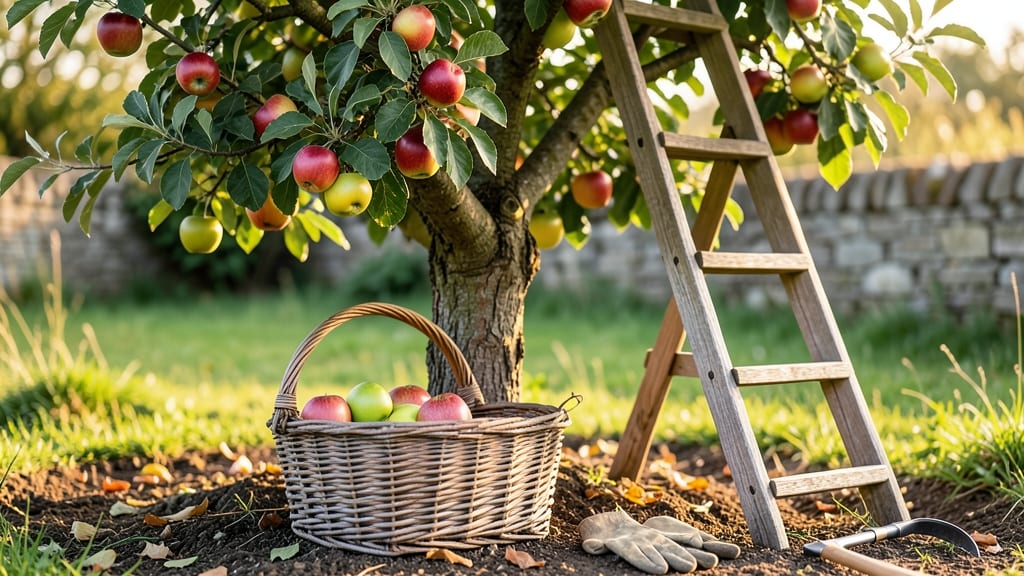
Knowing the exact apple harvest dates for your region ensures you enjoy fruit at its peak flavor and texture—before it overripens or falls to the ground.
Picture this: you’ve spent months tending to your 🍎 apple tree, and now the moment of truth arrives. But timing is everything—pick too early, and the apples taste bland; too late, and they’re mealy or spoiled.
Since climate, variety, and even your local microclimate play a role, guessing the perfect window can be tricky.
In this guide, I’ll break down the ideal harvest windows for popular varieties like Honeycrisp and Fuji, plus how to test ripeness beyond just checking the calendar.
Whether you’re in the Pacific Northwest, the Midwest, or somewhere in between, you’ll learn when to harvest for maximum sweetness—and how to avoid common mistakes that ruin the harvest.
Ready to turn your orchard into a treasure trove of crisp, juicy apples? Let’s dive into the science (and art) of harvesting at the perfect moment.
Apple harvest dates by U.s. region: when to pick for maximum flavor
Knowing the right time to harvest apples can transform your crop from merely edible to exceptionally sweet and flavorful. Since apples ripen at different times based on region, variety, and climate, I’ve broken down the harvest windows for the most popular U.S. growing zones.
Whether you’re growing Honeycrisp in the Pacific Northwest or Gala in the Midwest, timing is everything.
The key to a perfect harvest is balancing calendar dates with ripeness indicators. While general guidelines exist, factors like temperature fluctuations, rainfall, and tree health can shift ripening by weeks.
For example, a cool summer might delay harvest, while a hot, dry spell can speed it up. Always check for color, firmness, and stem separation before relying solely on dates.
In the Pacific Northwest, cooler temperatures slow ripening, so Honeycrisp and Fuji apples often peak later than in warmer regions. I recommend starting checks in late August and continuing until early October.
The Midwest’s warmer summers accelerate ripening, so Gala and Honeycrisp may be ready as early as late August, with some varieties lingering into October.
The Northeast’s diverse microclimates create a shorter but intense harvest window. Early varieties like McIntosh ripen by early September, while Cortland holds on the tree longer, often until late October. If you’re in this region, prioritize weekly ripeness checks to avoid missing the peak.
Southern growers face unique challenges due to heat and humidity. Varieties like Braeburn and Granny Smith ripen later, often stretching harvests into November. The key here is monitoring for color changes and firmness, as heat can cause apples to soften prematurely. I’ve found that
How to determine apple ripeness: 5 key tests beyond calendar dates
Apple harvest dates can feel like a moving target—what works for your neighbor’s Gala trees might not apply to your Honeycrisp varieties. While regional charts offer a starting point, actual ripeness depends on factors like weather fluctuations, soil health, and even tree stress.
Relying solely on calendar dates risks picking apples that are either underripe (tart, mealy) or overripe (soft, seedy). Instead, master these five foolproof tests to nail the perfect harvest window every time.
Before you even glance at a harvest date chart, perform a quick visual and tactile check. These tests override generic timelines because they account for your local microclimate and the tree’s unique growing conditions.
For example, a drought year might delay ripening by 2-3 weeks, while a cool spring could accelerate it. By combining these methods, you’ll avoid the frustration of green-core apples or shriveled fruit.
Check for full variety-specific color. Red apples should be deep crimson; yellow varieties like Golden Delicious need bright, even yellow. Uneven coloring often means more time on the tree.
Gently grasp the fruit and twist. A ripe apple should detach cleanly with minimal force. If the stem resists or snaps, it’s not ready—wait 3-7 days.
Press gently near the stem end. Ripe apples yield slightly under pressure but don’t feel mushy or rubbery. A hard apple needs more time; a soft spot means it’s past prime.
Cut a cross-section. Ripe apples have brown seeds with a white center. Green or black seeds signal underripe fruit, while fully brown seeds mean it’s ready to eat.
Sniff near the stem end. A sweet, fruity aroma confirms ripeness. Lack of scent? The apple needs 1-2 more weeks. Overripe apples smell fermented or sour.
Weather plays a huge role in ripening timing. A hot summer can push harvest dates earlier, while a cool, wet season may delay it by weeks. For example, Fuji apples in the Pacific Northwest often ripen in September-October, but in Texas, they might be ready by August.
Pay attention to local frost warnings—if a hard frost is forecast within 10 days, harvest immediately, even if tests aren’t perfect.
Soil health also affects ripeness. Trees growing in nutrient-poor soil may produce smaller, less flavorful apples that ripen unevenly. Conduct a soil test every 2-3 years and amend with compost or organic matter to ensure consistent ripening.
Healthy trees with balanced pH (6.0-7.0) yield fruit that passes all five tests reliably.
If your apples fail multiple tests, don’t panic—storage can help. Place underripe fruit in a paper bag with a banana (ethylene gas speeds ripening) and check weekly.
Overripe apples? Use them for baking or cider immediately. By mastering these tests, you’ll transform guesswork into a precision harvest every season.
Pro tip: Keep a harvest journal to track when your specific varieties ripen. Note the date, weather, and test results—this becomes your personalized harvest calendar over time. Happy picking! 🍎