
How To
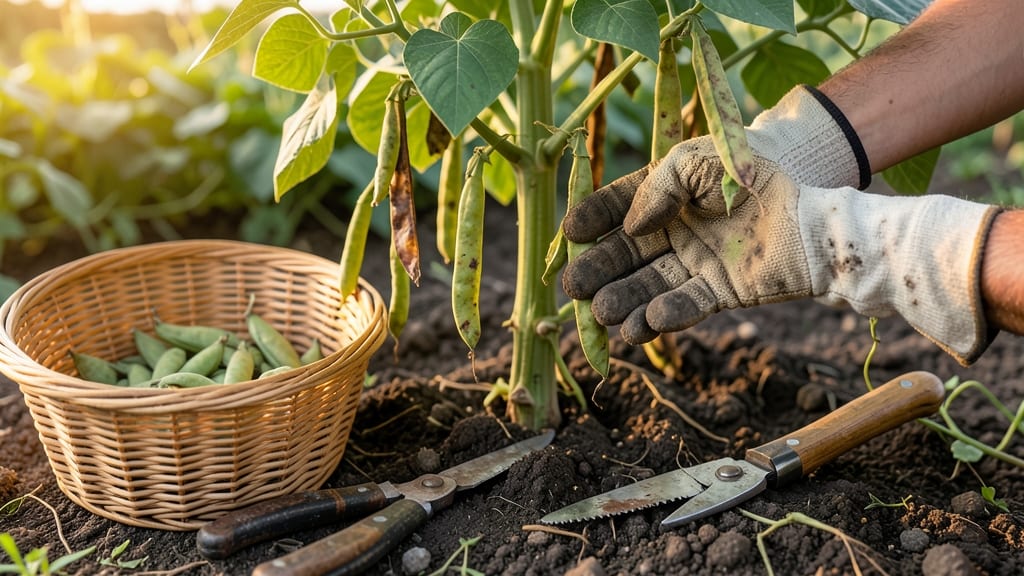
To harvest pinto beans at their peak flavor, watch for pods that turn light brown and firm up between July and September—the moment they’re ready to pick for homegrown perfection.
Pinto beans aren’t just a pantry staple—they’re a rewarding garden crop when harvested at the perfect moment. Miss the window, and you’ll sacrifice flavor, texture, and even yield. Here’s how to spot the ideal time to pick your pods for homegrown perfection.
Look for pods that are about 2-3 inches long and slightly rounded, with a light brown hue. These visual cues signal that the beans inside are plump and ready to shell, ensuring the best taste and texture.
Once you’ve identified the right pods, learn how to harvest them without damaging the plant, plus tips for storing and cooking your fresh harvest. By following these steps, you’ll enjoy a bountiful yield of delicious, homegrown pinto beans all season long.
3 Unmistakable signs your pinto beans are ready for harvest
Harvesting pinto beans at the right moment transforms your garden into a flavor factory. These beans are sweetest and most tender when picked at peak ripeness, but timing is everything. One day too early, and you’ll get underdeveloped pods with poor texture.
Too late, and the beans inside turn hard and tough, making them less enjoyable to eat. Let’s break down the three foolproof signs that your pinto beans are ready for the picking basket.
First, pay attention to the pod size and shape. When pinto beans are ready, their pods should measure between 2 to 3 inches in length. This is their ideal size for harvesting. If the pods are still small—under 1 inch—they’re not ready yet.
Think of it like waiting for a fruit to ripen on the vine; the same principle applies here. The pods should also feel firm and slightly rounded, not flat or shriveled.
Here’s where it gets interesting: the pod color is your next clue. While green is the starting point, mature pinto bean pods begin to shift to a light tan or light brown hue. This color change signals that the beans inside are fully developed and ready to be harvested.
However, don’t wait until the pods turn fully brown or dry out—this is a common mistake that leads to overripe beans with a mealy texture. Timing is key!
Now, let’s talk about the plant’s behavior. Healthy pinto bean plants will continue producing new flowers and pods even after the first harvest. But when the plant starts to slow down its growth, it’s a sign that the pods are nearing their peak.
Look for yellowing leaves or drying vines—this is your plant’s way of telling you it’s time to harvest before the energy shifts away from pod production. This is especially true as you approach late summer or early fall, when days grow shorter.
🌱 3 Signs Your Pinto Beans Are Ready to Harvest
- Pod Size: 2-3 inches long and firm to the touch. Use a ruler to check—this is the sweet spot for flavor and texture.
- Pod Color: Shift from green to light tan/brown. Avoid waiting for dark brown pods—they’re past their prime!
- Plant Behavior: Slower growth and yellowing leaves. This means the plant is redirecting energy to seed development.
Pro Tip: Harvest in the morning when pods are cool and crisp. Avoid harvesting after rain to prevent disease spread or mold.
One of the biggest mistakes gardeners make is harvesting too late. Overripe pinto beans develop hard, shriveled seeds that are difficult to cook and lack flavor. If you’ve missed the window, don’t worry—just keep an eye on the pods for the next few days.
However, if the pods start to crack open on their own or the seeds inside turn dark, it’s too late for that batch. The beans will still be edible, but their quality will suffer.
On the flip side, harvesting too early can also be problematic. Immature pods are soft and underdeveloped, with small, undeveloped beans inside. These won’t store well and lack the rich, earthy flavor that pinto beans are known for.
To avoid this, always check the pod length and firmness before deciding it’s time to harvest. A gentle squeeze should tell you whether the pod is ready or still needs time to mature.
For the best results, aim to harvest your pinto beans every 2 to 3 days once they start reaching maturity. This encourages the plant to produce more pods and extends your harvest season.
Use a pair of clean pruning shears or sharp scissors to snip the pods just above the pod attachment point. This method prevents damage to the plant and keeps it healthy for continued production. Always harvest on a dry day to allow the pods to dry properly before storage.
Finally, don’t forget to inspect your pods for any signs of pests or disease. Look for holes, discoloration, or unusual spots—these could indicate issues like bean beetles or fungal infections.
If you spot any problems, remove the affected pods immediately and consider treating the plant with an appropriate organic solution to protect your harvest. A healthy plant will reward you with abundant, flavorful beans all season long.
With these three signs in mind, you’ll never miss the perfect moment to harvest your pinto beans again. The key is to act quickly once the pods meet the criteria—flavor fades fast once they’re picked!
Soon, you’ll be enjoying homegrown pinto beans that rival anything you’ve bought from the store. Happy harvesting! 🌾
How to harvest pinto beans without damaging the plant
Harvesting pinto beans at the right time ensures maximum flavor and plant productivity. The key is to pick pods when they’re firm, plump, and light brown—typically 75-90 days after planting.
Use a gentle touch to avoid harming the plant’s delicate vines, which will keep producing as long as conditions are right.
Timing matters more than you might think. If you wait too long, the pods toughen up and the beans inside shrivel. Harvest too early, and you’ll miss out on the full flavor potential.
The best approach is to check your plants every 2-3 days once they start flowering, using these simple techniques to preserve both yield and plant health.
After harvesting, let pods dry in a well-ventilated area for 1-2 days before storing. This prevents mold and preserves freshness. Store dried beans in an airtight container away from direct sunlight to maintain their quality for up to a year.
If your plant starts showing signs of stress—like yellowing leaves or stunted growth—reduce watering slightly and add a balanced fertilizer (like 5-10-10) to encourage recovery. Pinto beans are resilient, but proper care after harvest ensures your plant stays productive for weeks.
Pro tip: Save a few pods to replant next season! Dry them completely, store in a cool place, and sow in spring for a fresh crop. Your garden—and your pantry—will thank you.