
Picking
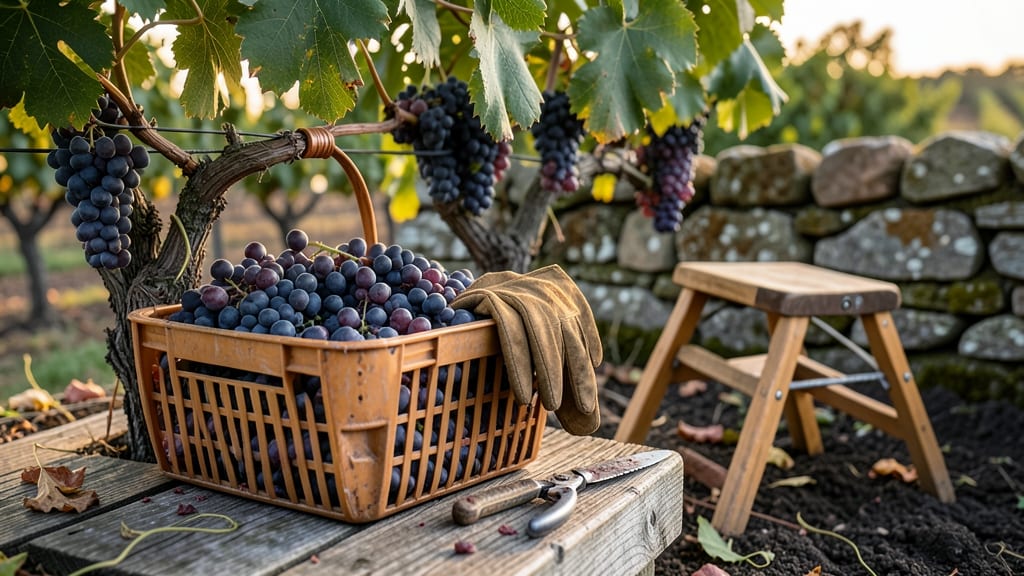
Harvesting grapes at the right time during their season is the key to sweet, flavorful fruit that stores well and tastes like summer all year.
Picture this: you’ve waited months for your 🍇 vines to ripen, only to pick too early and end up with tart, underripe clusters—or worse, miss the window entirely and watch them shrivel on the vine.
That’s why knowing the exact signs of ripeness and the best practices for harvesting is non-negotiable.
In USDA Zone 6a, the grape harvest season typically unfolds between August and October, but the exact timing depends on your variety, climate, and even the weather that year.
Too soon, and you’ll sacrifice flavor; too late, and you risk losing quality. The difference between a perfect harvest and a disappointing one often comes down to these details.
Below, I’ll walk you through how to determine when your grapes are truly ready, the best techniques for picking and handling them, and how to extend their shelf life so you can enjoy them long after the season ends.
How to determine the exact grape harvest season for your variety
Determining the perfect grape harvest season depends on more than just the calendar—it’s a mix of science and observation. Different grape varieties like Cabernet Sauvignon and Concord ripen at different times, and even environmental factors like temperature and sunlight play a role.
If you harvest too early, your grapes will lack flavor and sweetness, while waiting too long risks overripeness or bird damage. Let’s break down the key methods to pinpoint the ideal harvest window for your vines.
One of the most reliable ways to gauge ripeness is by checking the sugar content, measured in Brix levels. A refractometer is your best tool here—most table grapes should reach 15-22 Brix, while wine grapes like Cabernet Sauvignon often need 22-26 Brix for optimal flavor.
Pair this with visual cues like color changes and seed color, and you’ll have a foolproof system for knowing when to pick.
Color consistency is another critical indicator. For red grapes like Concord, the berries should turn a deep, uniform purple. Green varieties like Thompson Seedless should develop a rich, golden hue. If the color varies across the cluster, it’s a sign the grapes aren’t fully ripe yet. Additionally, check the seed color: ripe grapes will have seeds that turn from white to brown or dark brown.
Environmental factors also influence harvest timing. Temperature fluctuations can speed up or slow down ripening—warmer days and cooler nights often yield sweeter grapes. Keep an eye on sunlight exposure, too; vines need at least 6-8 hours of direct sun daily for optimal ripening.
If your grapes are in a shaded spot, they may take longer to reach peak ripeness.
| Grape Variety | Ideal Brix Level | Harvest Month (USDA Zone 6a) | Key Ripeness Signs |
|---|---|---|---|
| Cabernet Sauvignon | 22-26 | Late August - Early October | Deep purple color, brown seeds, firm yet slightly soft skin |
| Concord | 18-22 | Mid-August - September | Uniform dark purple, seeds turn brown, slight give when pressed |
| Thompson Seedless | 15-20 | Late July - Mid-August | Golden-green color, seeds brown, easy detachment from stem |
| Merlot | 20-24 | Late August - Early September | Deep blue-black hue, brown seeds, slightly soft skin |
| Catawba | 16-20 | Mid-August - Late September | Dark red-purple, seeds brown, berries plump and juicy |
Don’t overlook the taste test—it’s the simplest way to confirm ripeness. Pick a few grapes and taste them. If they’re sweet with minimal tartness, they’re ready. If they taste bland or overly tart, wait a few more days.
For wine grapes, you’ll also want to check for acid balance, which is harder to detect but crucial for winemaking.
Another pro tip: cluster uniformity matters. If some grapes in a cluster are ripe while others aren’t, it’s best to wait. Uneven ripening can indicate nutritional deficiencies or uneven sunlight exposure.
Address these issues before harvesting to ensure consistency across your crop. For example, if your vines aren’t getting enough sunlight, consider pruning nearby trees or relocating the vineyard.
Harvesting at the right time also depends on your climate zone. In warmer regions like Zone 9 or 10, grapes may ripen earlier, while in cooler zones like Zone 5, they might need extra weeks.
Always adjust your expectations based on local weather patterns. For instance, a late spring frost can delay ripening, so keep an eye on your local frost dates and plan accordingly.
Finally, consider the intended use of your grapes. If you’re growing them for fresh eating, aim for peak sweetness and juiciness. For winemaking, you’ll want higher sugar and acid levels. Drying grapes for raisins requires a different balance—look for grapes that are slightly firmer and less juicy.
Understanding your goal will help you fine-tune your harvest timing for the best results.
Timing your grape harvest isn’t just about luck—it’s about observation, science, and patience. By combining Brix readings, visual cues, and environmental awareness, you’ll consistently harvest grapes at their peak.
Once you master this, you’ll enjoy sweeter, more flavorful fruit and fewer losses to overripeness or spoilage. Happy harvesting!
Step-by-step grape harvesting techniques for optimal flavor and storage
Once you’ve confirmed your grapes are ripe and ready, the next challenge is harvesting them with care to preserve their flavor and texture. The way you pick, handle, and store grapes immediately after harvest determines how long they’ll stay fresh and delicious.
Rush this step, and you risk bruising, spoilage, or even mold—especially in humid climates like USDA Zone 6a.
Even experienced growers sometimes struggle with the balance between gentle handling and efficiency. For example, Concord grapes need extra care to avoid crushing, while Cabernet Sauvignon clusters can be firmer but still require precision.
The tools you use, the time of day you harvest, and even the container you choose all play a role in maintaining quality.
🍇 Step-by-Step Grape Harvesting Guide
- 1 Choose the right tools: Use sharp pruning shears (not scissors) and a wide-mouth bucket lined with a clean towel to catch clusters. Avoid plastic bins that can bruise grapes.
- 2 Harvest on a cool morning: Pick grapes between 6 AM and 9 AM when temperatures are below 80°F to prevent heat stress and sugar loss. Avoid harvesting after rain to reduce disease risk.
- 3 Select clusters carefully: Cut entire bunches (not individual grapes) with 1-2 inches of stem attached. Look for uniform color and firmness—discard any clusters with mold, cracks, or bird pecks.
- 4 Handle grapes gently: Place clusters in the bucket stem-side down to prevent crushing. Avoid stacking more than 2-3 inches deep—overcrowding causes bruising and ethylene gas buildup, which speeds spoilage.
- 5 Cool grapes immediately: Transport them to a shaded, cool area (50-60°F) within 2 hours of harvest. Use a fan to circulate air and reduce humidity if storing in a garage or shed.
- 6 Dry clusters before storage: Let grapes air-dry for 1-2 hours in a well-ventilated space to remove surface moisture. This prevents rot and fungal growth during storage.
- 7 Store properly: Keep grapes in perforated plastic bags or wooden crates with 90-95% humidity and 32-34°F temperatures. Check weekly for shrinkage or spoilage—discard any affected clusters immediately.
Did you know? Early-morning harvesting can extend your grapes’ shelf life by up to 3 weeks compared to picking in the afternoon heat. The cooler temperatures slow respiration, preserving sugars and acids that define their flavor.
For table grapes, this means juicier bites, while wine grapes retain better aromatic compounds.
If you’re harvesting for wine or jelly, timing is even more critical. For example, Cabernet Sauvignon grapes should be picked slightly underripe to balance sugar and acidity, while Concord grapes for eating should be fully ripe for maximum sweetness.
Always taste-test a few grapes before deciding—your palate is the ultimate judge of readiness!
Pro tip: Label your storage containers with the harvest date and variety. This helps you track freshness and rotate stock, ensuring you enjoy the first grapes first and avoid waste. With these techniques, your harvest can last months instead of days—making all your hard work worthwhile. 🍇