
How To
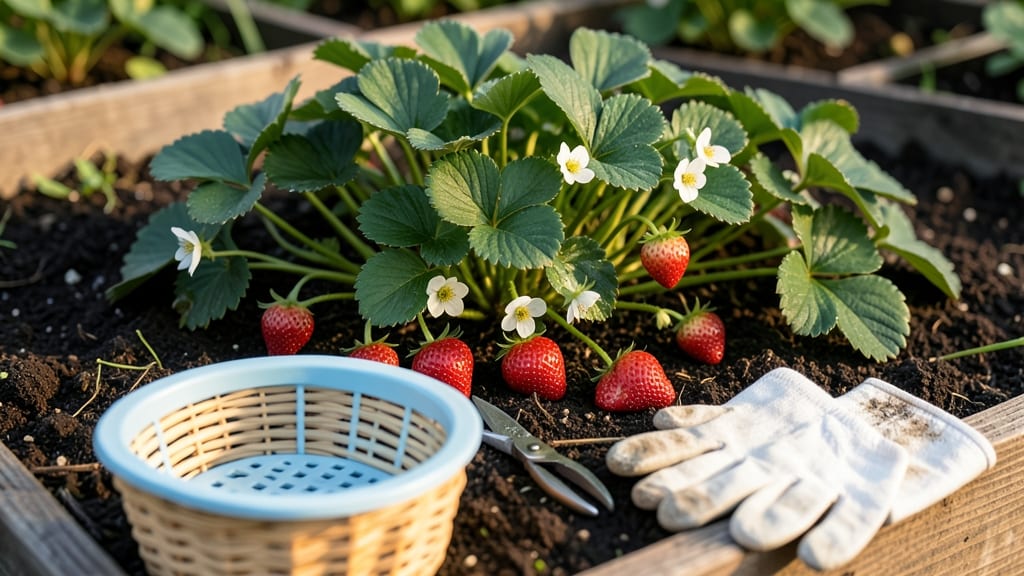
To harvest strawberries at their sweetest, you’ll want to pick them when they’re fully colored and just starting to soften—this is the best time to ensure maximum flavor and juiciness.
Nothing beats the taste of freshly picked strawberries—juicy, sweet, and bursting with summer flavor—but timing your harvest wrong can turn your bounty into bland, seedy disappointment.
In this guide, I’ll walk you through the exact techniques to pick strawberries at their peak, including when to harvest based on color, size, and even the time of day for the best results.
You’ll also discover common mistakes that waste your hard work, like harvesting unripe berries or damaging the plants, and how to avoid them for a longer, more productive harvest season.
When to harvest strawberries for maximum sweetness and flavor
Timing your strawberry harvest is everything—picking too early means tart, underripe fruit, while waiting too long can lead to mushy, overripe berries. The key lies in understanding the visual ripeness cues and seasonal patterns of your specific strawberry variety.
Whether you're growing June-bearing, everbearing, or day-neutral types, knowing when to harvest ensures you enjoy the sweetest, most flavorful strawberries possible.
Strawberries ripen from the inside out, so color alone isn't always enough to determine readiness. A fully ripe strawberry will not only be deep red, yellow, or white (depending on the variety) but also plump and slightly soft when gently squeezed.
The calyx (the green crown at the top) should be completely dry and free of green hues—a telltale sign the berry is ready to pick.
| Ripeness Indicator | June-Bearing Varieties | Everbearing/Day-Neutral | Best Harvest Time |
|---|---|---|---|
| Color | Fully red (no green) | Deep red, yellow, or white | Morning (cooler temps) |
| Texture | Slightly soft, plump | Firm but yielding | Avoid midday heat |
| Size | 1-2 inches diameter | 1-1.5 inches diameter | Early morning (6-8 AM) |
| Calyx | Dry, no green | Dry, fully colored | Cool, cloudy days |
| Season | June-July (peak) | May-October (staggered) | Every 2-3 days |
For June-bearing strawberries, the harvest window is narrow but intense, typically spanning 2-3 weeks in late spring to early summer. These varieties produce all their fruit at once, so it's crucial to harvest every 2-3 days to avoid overripe berries that can attract pests or rot.
Start checking your plants when the first berries begin to color, and be prepared to pick daily once the harvest kicks off.
Everbearing and day-neutral varieties offer a more extended harvest season, producing fruit in late spring, summer, and even fall. These types often have staggered ripening, so you'll find berries at various stages of readiness throughout the season. Focus on picking the most ripe berries first to encourage more fruit to mature, and avoid overcrowding the plants.
Temperature plays a surprising role in strawberry ripeness. Cooler morning temperatures (below 75°F) are ideal for harvesting because they preserve the berries' sweetness and texture. Avoid picking in the heat of the day, as the fruit can become soft and seedy faster.
If you must harvest in hot weather, place your freshly picked berries in the shade immediately to slow down the ripening process.
One common mistake is waiting until strawberries are fully detached from the plant, which can lead to rotting or bird damage. Instead, pick berries when they're 80-90% ripe—they'll continue to ripen slightly after picking.
To test readiness, gently tug on the berry; if it pulls away easily from the stem, it's ready. If it resists, give it another day or two.
Pro tip: Use a pair of clean, sharp scissors or pruning shears to snip the berries from the stem, leaving a small portion attached. This method reduces damage to the plant and prevents disease from spreading.
Never pull berries off by hand, as this can uproot the plant or tear the fruit, leading to bruising and shorter shelf life.
Finally, keep an eye out for secondary ripening cues, like the berry's aroma. A ripe strawberry will have a sweet, fragrant smell near the calyx.
If you're unsure, slice one open—ripe strawberries will be deeply colored with tiny seeds throughout, while underripe ones will be pale with seeds clustered at the center.
Step-by-step strawberry harvesting techniques to preserve quality
Harvesting strawberries at the right time and with the right technique makes all the difference between bursting sweetness and mealy disappointment. The key lies in gentle handling—strawberries bruise easily, and rough picking can turn your perfectly ripe berries into mush within hours.
I’ve learned through years of trial and error that morning harvests yield the sweetest fruit because the berries have had overnight to develop their natural sugars. Plus, picking in cooler temperatures reduces stress on the plant and keeps your berries fresher longer.
How to Harvest Strawberries Like a Pro
- 1 Pick the right tool: Use clean pruning shears or sharp scissors to snip the stem about 1/4 inch above the berry. Avoid pulling—this can damage the plant and leave the berry hanging, vulnerable to rot.
- 2 Harvest in the morning: Strawberries are coolest and firmest between 6 AM and 9 AM. This timing preserves their flavor and texture while reducing the risk of bruising during transport.
- 3 Check for ripeness: Gently squeeze the berry—it should yield slightly like a ripe peach. Look for a deep, uniform color (no green at the calyx) and a plump, slightly soft texture. Overripe berries are mushy and often attract pests.
- 4 Avoid overcrowding: Place harvested berries in a single layer in a shallow container (like a wooden crate or berry box). Stacking or piling can cause bruising and spoilage, especially in warm conditions.
- 5 Store properly: Keep strawberries in the fridge at 32-34°F and use them within 3-5 days for peak freshness. For longer storage, freeze whole berries on a tray before transferring to a bag—this preserves texture better than washing first.
One mistake I used to make was harvesting unripe berries to "speed up" the process, only to end up with bland, seedy fruit.
Now, I wait until berries are fully colored and slightly soft—this ensures maximum sweetness and a longer harvest season because the plant focuses energy on producing new fruit.
After harvesting, I always rinse my tools with soapy water to prevent the spread of diseases like gray mold. A quick wipe-down of the container with a vinegar solution (1:3 ratio) keeps it sanitized for the next batch.
These small steps make a huge difference in preserving your strawberries' quality.
Pro tip: If you’re dealing with June-bearing varieties, harvest every 2-3 days during peak season to avoid overwhelming the plant. For everbearing or day-neutral types, a weekly pick keeps production steady. Consistency is key!