
Picking
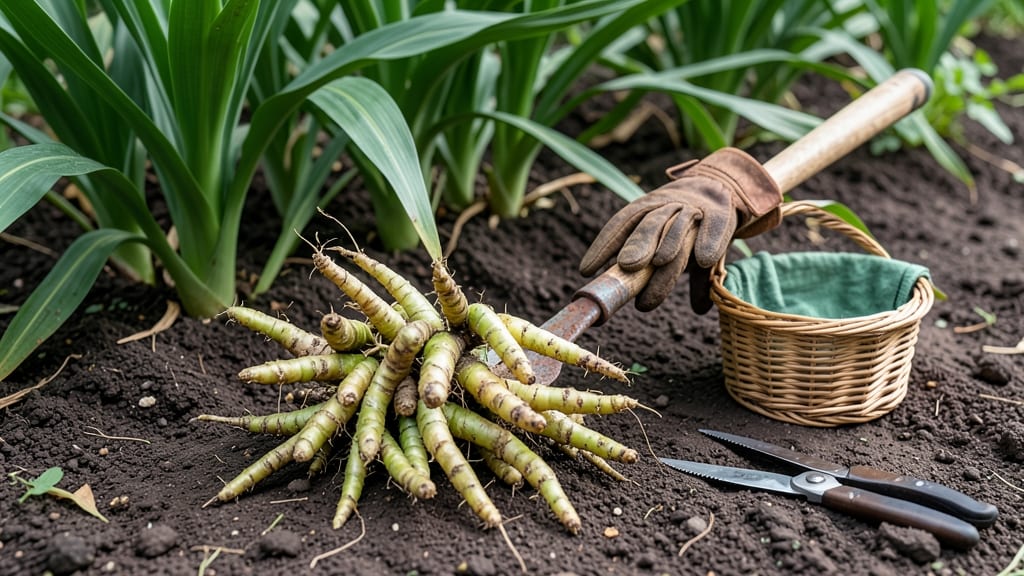
Harvesting ginger at the right time ensures you get the largest, most flavorful rhizomes 🌿—and knowing when that is can save you from digging too early or waiting too late.
Picture this: you’ve nurtured your ginger plants all season, watching those broad leaves unfurl and the soil stay rich and moist. But how do you know when those hidden rhizomes are ready to lift? The answer lies in the leaves, the soil, and the calendar.
Most gardeners in USDA Zone 6a should plan to harvest between October and November, about 9 to 10 months after planting. However, regional climate shifts that timing—warmer areas may need to dig earlier, while cooler zones can wait a bit longer.
Below, I’ll walk you through the 5 key signs your ginger is ready, how to test for firmness without damaging the plant, and the simple steps to store your harvest for months to come.

Optimal ginger harvest time: months, signs, and seasonal factors
Timing your ginger harvest correctly ensures you get the largest, most flavorful rhizomes. Unlike many crops, ginger doesn't ripen on the vine—instead, it matures underground over 9 to 11 months. Missing this window means smaller, fibrous roots that lack the bold flavor gardeners love.
The key lies in balancing seasonal cues with your local climate, whether you're in a warm tropical zone or a cooler temperate region.
In temperate climates like USDA Zones 6-10, ginger typically reaches harvest readiness between late October and November, roughly 10 months after planting. However, in tropical or subtropical zones (like Florida or Hawaii), you can harvest year-round, with peak flavor occurring 9-11 months after planting.
Understanding these differences prevents premature harvests that waste potential.
Visual cues are your best friends when determining harvest time. The most reliable sign is leaf yellowing, where foliage turns from vibrant green to yellow-brown and begins wilting. This indicates the plant is redirecting energy to the rhizomes below ground. Pair this with soil temperature drops in fall—ginger thrives when soil cools to 60-70°F (15-21°C).
| Factor | Temperate Zones (USDA 6-10) | Tropical/Subtropical Zones |
|---|---|---|
| Harvest Months | October–November | Year-round (peak: 9-11 months) |
| Key Visual Cue | 70% leaf yellowing | 50-70% leaf yellowing |
| Soil Temp for Harvest | 60–70°F (15–21°C) | 65–75°F (18–24°C) |
| Rhizome Size | 2–3 inches thick | 1.5–3 inches thick |
| Post-Harvest Care | Dry in shade; store at 60°F | Dry in shade; store at 65°F |
One common mistake is waiting until leaves completely die back, which can signal the rhizomes have started decomposing. Instead, harvest when 50-70% of leaves yellow—this ensures maximum size while preserving flavor.
For temperate gardeners, this usually aligns with first frost dates, giving you a 2-3 week window before cold sets in.
Climate plays a huge role in rhizome development speed. In hotter regions, ginger may mature faster (as early as 8 months), while cooler areas might need up to 12 months.
To adjust, monitor growth stages rather than relying solely on months. For example, if your ginger sprouts in early spring, aim for a fall harvest regardless of the exact calendar date.
Another critical factor is moisture levels before harvest. Ginger needs consistent moisture during growth but should experience mild drought stress 2-3 weeks before digging. This encourages the plant to concentrate nutrients in the rhizomes, resulting in sweeter, more robust roots.
Reduce watering slightly when leaves start yellowing to trigger this natural process.
For container-grown ginger, timing shifts slightly due to limited root space. Harvest when rhizomes fill the pot or begin crowding the drainage holes. In containers, expect slightly smaller yields but faster maturation—often 1-2 months earlier than in-ground plants.
Always check rhizome size (1.5+ inches thick) before digging, as this is the most reliable indicator.
Pro tip: If you're unsure, test one rhizome by gently digging up a small section. A mature ginger root will have a thick, papery skin and feel firm to the touch.
If it's still soft or fibrous, wait 2-4 more weeks before harvesting the rest. This minimizes waste and ensures your culinary-grade ginger meets quality standards.
After harvest, proper post-harvest care extends shelf life. Rinse rhizomes gently, then dry in shade for 3-5 days. Store in a cool, dark place (60-65°F) with high humidity to prevent shrinking. When stored correctly, your homegrown ginger can last 6-12 months, far outlasting store-bought options.
🌱
How to check ginger readiness: 5 key indicators before digging
When your ginger plants have been thriving for months, it’s easy to wonder: how do I know when to harvest? The secret lies in observing subtle but critical changes in the plant’s leaves, rhizomes, and soil conditions.
Unlike many crops, ginger doesn’t give obvious external signals—so you’ll need to combine visual cues with a gentle touch test to avoid digging too soon.
I’ve learned the hard way that harvesting too early results in small, fibrous rhizomes, while waiting too long can mean tough, woody roots. The ideal moment arrives when your ginger shows all five readiness signs simultaneously.
Let’s break down each indicator so you can confidently pull those plump rhizomes from the soil.
Leaves turn yellow-brown and dry at the edges, signaling energy is moving to rhizomes. Healthy green leaves mean wait 2-3 more weeks.
Mature rhizomes reach 2-3 inches thick. Immature ones are pencil-sized (½ inch or less) and easily breakable.
Ideal harvest occurs when soil temps drop to 60-65°F. Cooler soils slow growth, directing energy to rhizome development.
Gently squeeze a rhizome—mature ones feel dense like a small potato. Soft rhizomes need 4-6 more weeks.
Ready rhizomes pull cleanly from soil. Stubborn resistance means they’re not fully developed yet.
To test rhizome firmness without damaging the plant, use your fingernail to gently probe the soil near the base of the stem. If you feel a hard, rounded object about 2 inches below the surface, that’s your rhizome ready for harvest.
Pro tip: Dig a small test hole—if the rhizome looks thick and firm, it’s time to harvest the whole patch.
One common mistake I see is waiting until the leaves are completely dead. By then, the rhizomes may have become tough and less flavorful. Aim to harvest when 50-70% of leaves have yellowed—this balance ensures maximum yield without sacrificing quality.
In USDA Zone 6a, this typically aligns with late October to early November.
After confirming readiness, harvest on a dry, sunny day to prevent soil from clinging to the rhizomes. Use a garden fork to gently loosen the soil around the plant, then lift carefully.
Rinse off any remaining dirt and let them dry in a shady, well-ventilated area for 2-3 days before storing. Properly cured ginger can last 6 months or longer in a cool, dark place.
Remember, patience pays off with ginger. The longer you wait after all five indicators align, the tougher the rhizomes become. Trust your observations—your garden’s subtle signals will guide you to the perfect harvest time. Happy digging! 🌱