
Picking
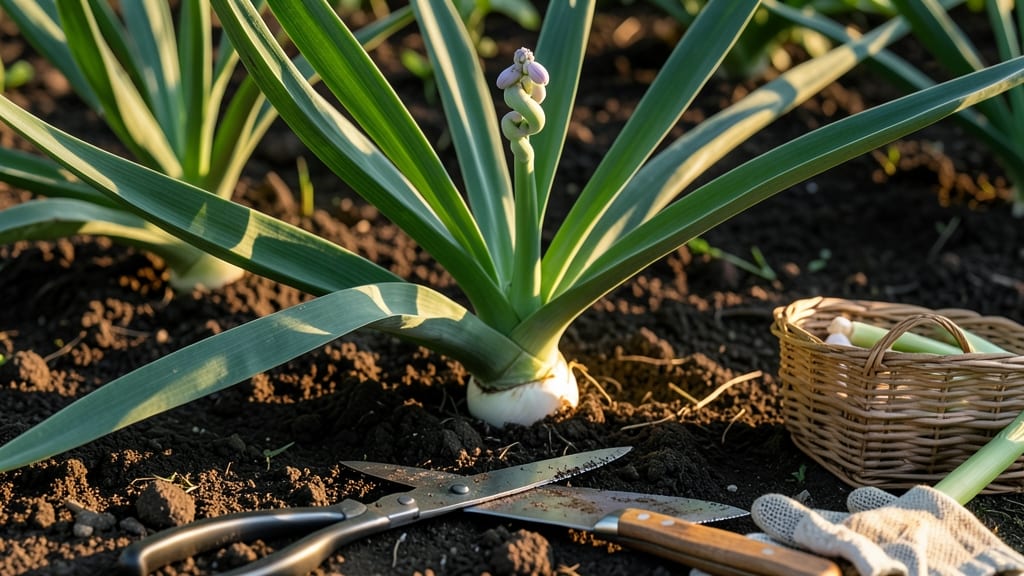
Harvesting garlic scapes at the right time boosts both flavor and your plant's future yield — and the key is knowing when those curly stems are ready.
If you’ve ever wondered why your garlic plants are sending up tall, flat stems—or how to turn them into a culinary treasure—you’re about to learn the exact moment to harvest garlic scapes for maximum flavor and yield.
Most gardeners miss the window because they focus on size instead of shape. A scape is ready when it forms a tight curl, typically between 6-12 inches long, and the stem feels firm but flexible.
This usually happens in June or July in Zone 6a, but cooler climates may delay it by a few weeks.
Once you master the timing, you’ll not only get delicious scapes for pesto or pickling but also bigger, healthier garlic bulbs later in the season. Below, I’ll walk you through the visual cues, climate adjustments, and what to do with them once they’re harvested.

How to identify the perfect garlic scapes harvest time by stem shape
Harvesting garlic scapes at the right time transforms your garden into a flavor powerhouse while boosting your garlic bulbs. The key lies in observing the stem shape—when it flattens, curls, or reaches 12-18 inches tall, your scapes are ready.
Ignoring these cues can mean missing peak flavor or stunting bulb growth, so let’s dive into the visual clues that tell you exactly when to act.
Garlic scapes emerge as long, straight stems that eventually flatten into a blade-like shape. When this blade grows to about 12-18 inches long and begins curling at the tip, that’s your signal.
This curling is nature’s way of redirecting the plant’s energy back into the bulb, ensuring larger, more robust harvests later. Missing this window means your scapes may become woody or bitter, and your garlic bulbs won’t reach their full potential.
Climate plays a huge role in timing. In cooler regions, scapes typically appear in late spring to early summer, while in warmer climates, they may emerge as early as mid-spring.
Pay attention to your local frost dates—scapes should appear after the last frost but before temperatures climb too high. For example, in USDA Zone 6a, scapes often start in May or June, while in Zone 8, they might appear as early as April.
Here’s the golden rule: Harvest scapes when they’re flat but not yet curled. This stage ensures maximum flavor and prevents the plant from diverting too much energy away from bulb development. Overripe scapes—those that are fully curled or woody—lose their tenderness and become less useful in the kitchen.
Let’s compare the ideal harvest window to overripe scapes so you can spot the difference at a glance.
If you’re growing hardneck garlic, which is the most common type for scapes, timing is critical. These varieties—like Music or German Red—produce scapes that are prized for their flavor and versatility.
Softneck garlic, on the other hand, rarely produces scapes, so focus on hardnecks if you’re after this harvest. Once you’ve identified the perfect scape, the next step is harvesting it correctly to maximize both flavor and bulb size.
Pro tip: Harvest scapes in the morning when temperatures are cooler. This preserves their crispness and flavor. Use a sharp pair of pruning shears or a knife to cut the scape just above the fourth leaf from the top.
This encourages the plant to redirect energy back into bulb development, resulting in larger, more flavorful garlic later in the season. Avoid pulling or twisting the scape, as this can damage the plant.
For gardeners in warmer climates, scapes may mature faster due to longer daylight hours. In these areas, you might see scapes ready for harvest as early as April, while in cooler regions, they may not appear until June or July.
Always monitor your plants closely, as scape development can vary based on soil health, water availability, and sunlight exposure. Healthy soil rich in organic matter and consistent moisture will accelerate scape growth and improve overall plant vigor.
One common mistake is waiting too long to harvest scapes, thinking they’ll keep getting better. But once they curl tightly or turn woody, their flavor degrades, and the plant’s energy shifts away from bulb production.
By harvesting at the flat-blade stage, you’re ensuring both a delicious harvest and a robust garlic crop. Think of it as a win-win for your garden and your kitchen!
Finally, don’t forget that harvesting scapes doesn’t mean you’re
Step-by-step guide to harvesting garlic scapes for maximum flavor and regrowth
Harvesting garlic scapes at the right time boosts both flavor and your garlic bulbs' size. The key is acting when the scape—those curly stems—reaches 6-12 inches long and forms a tight loop.
This usually happens in late spring to early summer (June-July in most climates), but cooler regions may see delays. Timing matters: cutting too early reduces flavor, while waiting too long diverts energy from bulb growth.
For best results, harvest scapes on a cool morning after dew has dried. This minimizes stress on the plant and ensures cleaner cuts. Avoid harvesting after rain or in the evening, as damp conditions can promote disease.
Use sharp, sterilized pruning shears or a clean knife to make clean cuts just above the 4th leaf from the base—this preserves the plant's energy flow to the bulb.
📋 Your Garlic Scapes Harvest Checklist
- Step 1: Check scape length—aim for 6-12 inches with a tight curl.
- Step 2: Harvest on a cool morning (6-9 AM) for clean cuts.
- Step 3: Use sterilized shears to cut 1-2 inches above the 4th leaf.
- Step 4: Remove only the curly top—leave the straight stem intact.
- Step 5: Fertilize with balanced 10-10-10 post-harvest to boost bulb growth.
After harvesting, your garlic plant will redirect energy to bulb development, often resulting in larger, more robust cloves. To encourage this, apply a light fertilizer (like 10-10-10) within 1-2 weeks post-harvest.
Focus on watering deeply but less frequently—every 7-10 days—to prevent stress. Mulch around the base with straw to retain moisture and regulate soil temperature, which is critical for bulb maturation.
Did you know harvesting scapes can increase bulb size by up to 30%? The trade-off is flavor: scapes are milder when harvested early but intensify as they mature. If you miss the window, don’t panic—just wait until the scape straightens again, but expect smaller bulbs.
Store harvested scapes in the fridge for up to 2 weeks or freeze them for later use in pesto or stir-fries.
Pro tip: If your garlic plants produce multiple scapes, prioritize harvesting the largest or most mature one first. This ensures the plant isn’t overburdened and maintains energy balance. Regularly inspect leaves for yellowing or wilting—these are signs the plant is struggling and may need adjusted water or nutrients.
With the right timing and care, your garlic harvest will be the envy of the neighborhood!
Remember, the goal is harmony: balance scape harvest with bulb growth. By following these steps, you’ll enjoy flavorful scapes and plump garlic bulbs—a gardener’s dream duo. Happy harvesting! 🌱