
Trees
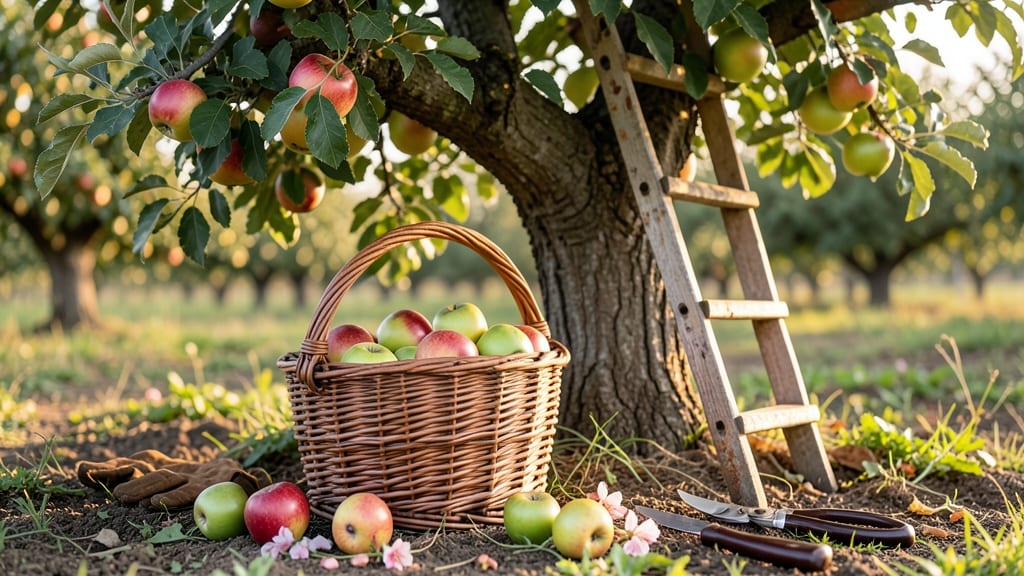
Harvesting your 🍎 apple tree at the right time means the difference between sweet, crisp fruit and mealy, flavorless disappointment.
Picking too early means sacrificing flavor, texture, and even storage potential—so knowing the exact apple tree harvest window is crucial for gardeners and orchard owners alike.
This guide breaks down the perfect timing by variety, climate, and ripeness cues, including color shifts, stem tests, and regional adjustments for zones 3-10.
You’ll also learn how to avoid common mistakes that ruin flavor and storage life, plus expert tips to keep your harvest fresh for months.

How to determine the perfect apple harvest time by variety and weather
Picking apples at the wrong time can turn sweet rewards into disappointing results. The perfect harvest window depends on variety-specific cues and local weather patterns, so let’s break down how to nail it every season.
Whether you’re growing Fuji, Honeycrisp, or Granny Smith, these tips will ensure your apples are flavorful, firm, and ready for storage or immediate enjoyment.
Start by checking the skin color—this is your first clue. Most varieties develop their signature hue just before peak ripeness, but Granny Smith apples, for example, stay green until fully ripe.
Combine color with the stem separation test: a ripe apple should twist easily from the branch with just a slight tug. If it resists, it’s not ready yet. Meanwhile, heat waves can accelerate ripening, while early frost warnings may demand an earlier harvest.
🌱
| Variety | Peak Harvest Month | Color Cues | Stem Test | Weather Watch |
|---|---|---|---|---|
| Fuji | Late September | Red blush over green | Twists cleanly | Harvest before frost |
| Gala | Mid-September | Striped orange-red | Gentle twist separates | Avoid heat stress |
| Granny Smith | October | Bright, uniform green | Firm, no resistance | Cold nights improve flavor |
| Honeycrisp | Late September | Golden-red blush | Snaps at stem | Harvest before rain |
For Fuji and Honeycrisp varieties, aim for late September when their skins develop a deep blush. These apples thrive in cooler climates, so if your area experiences early frosts, harvest them 2-3 weeks before the first predicted frost to avoid damage.
Meanwhile, Gala apples often ripen slightly earlier, around mid-September, and their striped pattern is a dead giveaway for readiness.
Don’t overlook the firmness test: press an apple gently with your thumb. It should yield slightly but not feel mushy—this indicates optimal ripeness. Overripe apples turn mealy and lose their crisp texture, while underripe ones remain hard and tart.
If you’re unsure, take a taste test from a sample apple. The flavor should be fully developed, with no lingering bitterness or sourness.
🪴
Weather plays a critical role in timing. A heat wave can trick apples into ripening faster, so monitor your trees closely during hot spells. Conversely, cool nights in late summer enhance sugar development, especially for Granny Smith apples, which need these conditions to reach their signature tangy-sweet balance.
If your region experiences unpredictable weather, consider harvesting a few apples early to test their readiness.
Pro tip: Use a harvest calendar based on your USDA hardiness zone. For example, Zone 5 gardeners should start checking apples in early September, while Zone 8 growers may wait until October.
Adjust your timeline if you notice apples ripening earlier or later than expected due to local microclimates. A shaded orchard, for instance, might delay ripening by 1-2 weeks compared to a sunny one.
Finally, store your freshly picked apples in a cool, dark place (around 32-40°F) to preserve freshness. Varieties like Granny Smith store longer than Honeycrisp, so plan accordingly.
By mastering these cues, you’ll ensure every apple you harvest is at its peak—ready to enjoy or store for months to come.
✂️
Common mistakes that ruin apple flavor and storage life (and how to avoid them)
Even the most patient gardeners can ruin their apple harvest by making just a few timing mistakes. Picking too early results in mealy texture, while waiting too long leads to rotting fruit or pests.
These errors don't just affect taste—they also shorten your apples' storage life from months to mere weeks.
I’ve seen home orchards throw away perfectly good apples because of avoidable oversights. The good news? With the right knowledge, you can preserve crispness and extend shelf life—even for varieties like Honeycrisp that are notorious for spoiling quickly.
Here are the most common pitfalls and how to sidestep them before they ruin your harvest.
Critical Harvest Time Warning
Timing is everything—apples picked too early won’t ripen further and will stay tart, hard, and flavorless. Conversely, waiting too long risks frost damage or insect infestations that turn fruit to mush. The stem separation test is your best friend: when an apple twists cleanly from the branch, it’s ready.
Pro Tip: Harvest in the morning when temperatures are cool to preserve crispness and avoid bruising.
One of the biggest mistakes is ignoring variety-specific cues. For example, Granny Smith apples stay green until fully ripe, while Fuji apples develop a red blush that deepens as they mature. Always check your tree’s specific variety for color, size, and firmness guidelines.
Post-harvest care is just as critical as harvest timing. Apples release ethylene gas, which speeds up ripening—and spoilage. Store them in a cool (32-40°F), humid (90% humidity) space, like a basement or root cellar, and separate varieties to prevent uneven ripening.
Another common error is washing apples before storage. The natural wax coating protects against moisture loss and rot. Instead, gently brush off dirt and store them unwashed in perforated bags or crates for air circulation.
With these adjustments, you’ll keep your apples crisp, sweet, and fresh for up to 6 months—or longer for storage varieties like Cortland or McIntosh. The key is consistency: monitor your fruit weekly, test for readiness, and act fast once it’s time to pick.