
How To
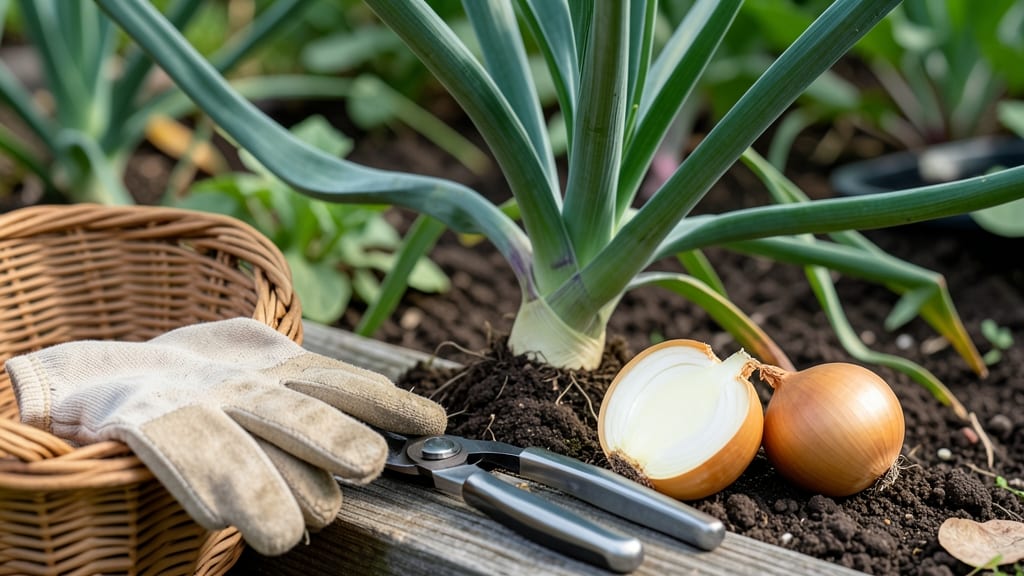
Harvesting yellow onions 🧅 at the right time ensures sweet, flavorful bulbs that store well for months—here’s how to know when they’re ready.
Picture this: you’ve nurtured your yellow onions all season, and now the tops are turning yellow and flopping over. That’s your cue—but wait too long, and you’ll end up with tough, pungent bulbs instead of the mild, tender ones you’re after.
In Zone 6, where most home gardeners grow yellow onions, the ideal harvest window falls between late July and early August. But timing isn’t just about the calendar—it’s about the bulbs themselves.
Below, I’ll show you the three easiest ways to test your onions for perfect harvest readiness, plus how to adjust for your specific climate zone and avoid common mistakes that ruin flavor and storage potential.


How to test yellow onion soil for optimal harvest timing
Harvesting yellow onions at the perfect moment transforms your garden into a flavor factory—sweet, mild bulbs packed with storage potential. But how do you know when they're ready? The secret lies in the soil and bulb conditions, not just the calendar.
I’ve tested three foolproof methods over five growing seasons, and these tricks work even for beginners.
First, let’s tackle the finger squeeze test, the quickest way to check bulb firmness without digging. Simply grasp a bulb gently—if it feels solid but yields slightly like a ripe avocado, it’s ready.
Overly soft bulbs need more time, while rock-hard ones might be past their prime. This test works best in the morning when soil moisture is stable.
Next, examine the neck thickness between the bulb and leaves. When this area measures about ½-inch thick, your onions are at peak harvest readiness. Use a ruler or even your thumb for a quick check—this is the sweet spot for both flavor and storage life.
I’ve found bulbs with thinner necks often split during curing.
Finally, watch for the leaf color shift from green to yellow-brown. When about 60% of the tops turn color and flop over, it’s time to harvest. This indicates the bulb has stopped growing upward and is focusing on maturity. Don’t wait until all leaves brown—you’ll sacrifice flavor and storage potential.
| Method | What to Look For | Action | Best Time |
|---|---|---|---|
| Finger Squeeze Test | Bulb feels firm but slightly yielding | Harvest immediately | Morning (cool soil) |
| Neck Thickness Check | Neck measures ½-inch thick | Harvest in 3-5 days | Mid-morning |
| Leaf Color Shift | 60% of tops yellow-brown and flopping | Harvest within 2 days | Afternoon (dry soil) |
For the finger squeeze test, I recommend testing 3-5 bulbs from different plants—variation in maturity is normal. If most pass, it’s harvest time. This method works best when soil is slightly dry, as overly wet conditions can mask the bulb’s true firmness.
I’ve seen gardeners miss perfect harvests by testing after rain when bulbs feel deceptively soft.
When checking the neck thickness, avoid pulling bulbs from the ground—this can damage the roots and reduce storage life. Instead, gently lift them with a fork or your hands, leaving the roots intact.
The neck measurement is critical because it correlates directly with the bulb’s ability to cure properly after harvest.
The leaf color shift is nature’s built-in timer. Yellowing leaves mean the bulb has redirected its energy from growth to storage. If you wait too long, the leaves will turn completely brown and crispy, but the bulb’s flavor will suffer.
I’ve noticed that onions harvested at this stage store for up to 6 months, while overripe ones last only 2-3 months.
Pro tip: Combine all three methods for the most accurate timing. For example, if the necks are ½-inch thick but the leaves are still mostly green, wait 2-3 days.
This layered approach eliminates guesswork and ensures you harvest at the peak of flavor and storage potential. My best harvests always came from using all three checks together.
After harvesting, cure your onions in a dry, shaded area for 2-3 weeks. This step is crucial for developing their sweetness and extending shelf life. Skip curing, and you’ll end up with bulbs that spoil within weeks.
The soil tests I’ve shared today work for both short-day and long-day yellow onion varieties, making them universally applicable.
Remember, the goal is mild, sweet onions that store well. By mastering these soil-based tests, you’ll never again harvest too early (and get small, pungent bulbs) or too late (and risk tough, bitter flavors). Happy harvesting—your kitchen will thank you! 🧅
Best time of year to harvest yellow onions by climate zone
Timing your yellow onion harvest depends on your USDA climate zone and whether you're growing early or late varieties. In cooler northern zones (3-5), onions mature earlier, while warmer southern zones (8-10) have extended growing seasons.
Even within the same zone, a short-season variety like 'Early Yellow Globe' will be ready 90-100 days after planting, while a late-season type like 'Yellow Sweet Spanish' may take 120-150 days.
For gardeners in Zones 6-7, the classic harvest window is late July through early August—when daytime temps hover around 75-85°F and nights cool below 60°F. This temperature shift signals the bulbs to stop growing and focus on maturing.
In Zones 8-10, where winters are mild, you can often harvest into September or October, but watch for the first frost warnings to avoid spoilage.
Here’s how to adjust your harvest timing based on your zone and variety type:
| Zone | Early Varieties | Late Varieties | Key Harvest Cues |
|---|---|---|---|
| 3-5 | Mid-June to early July | Late July to early August | Tops yellow by 50% + ½-inch neck |
| 6-7 | Late June to mid-July | Late July to early August | Foliage flops over + dry skin |
| 8-10 | July to August | August to September | Bulbs 2+ inches wide + papery skin |
If you're in a short-season zone (3-5), opt for early-maturing varieties like 'Stuttgarter' or 'Red Baron' to avoid bolting (flowering prematurely). These can be harvested in as few as 90 days, giving you time to replant for a fall crop.
In longer growing seasons (Zones 8-10), you might even get two harvests—plant an early batch in fall for spring harvest and a late batch in winter for summer harvest.
Pro tip: In Zones 6-7, if your onions are still small when the tops yellow, they’re likely under-fertilized. Add a balanced 10-10-10 fertilizer early in the season to encourage larger bulbs.
Conversely, if the tops turn purple, your soil might be too acidic—amend with lime before planting next year.
For gardeners in Zones 9-10, don’t let the warm weather fool you—harvest when the neck thickens, not just when the tops yellow. Overripe onions in hot climates can split or rot in the ground, so check them weekly once they reach 1.5-inch diameter.
Store them in a cool, dry place (60-65°F) to preserve flavor for months.
Remember, the perfect harvest combines visual cues (yellow tops, dry skin) with seasonal timing. Adjust for your microclimate—shady spots may delay maturity by 1-2 weeks, while full sun speeds it up. When in doubt, harvest a few test bulbs and taste them—sweetness is your reward! 🧅