
How To
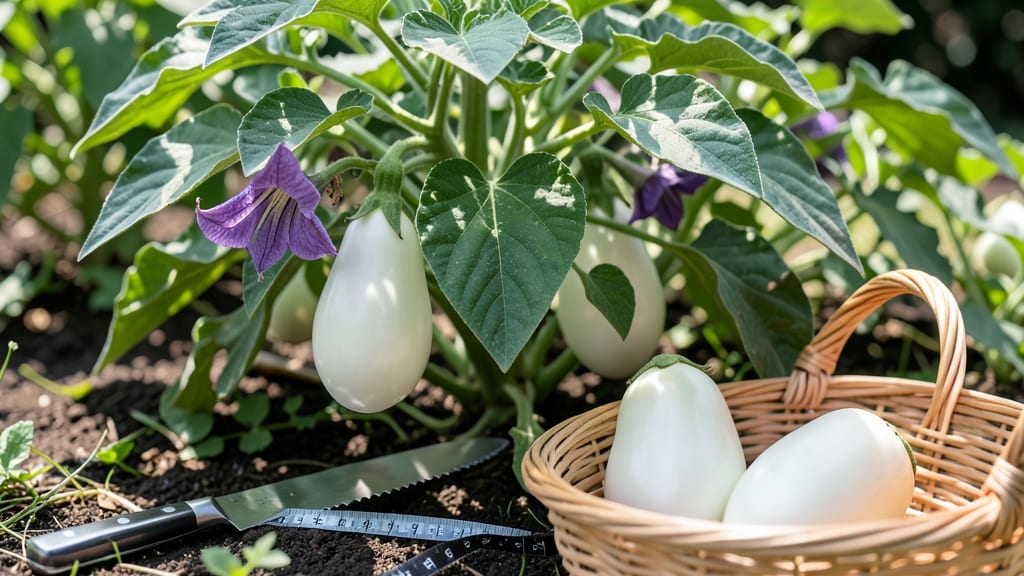
Harvesting white eggplant at the right time means the difference between perfectly tender fruit and a meal-ruining bite of bitterness.
If you’ve ever sliced into a 🍆 that’s tough as a baseball or mealy inside, you know how quickly things go wrong. The secret? A simple finger-press test that tells you exactly when to pick—before the skin turns dull or the seeds darken.
Most gardeners wait for size, but white eggplant ripens faster than you think. By the time it’s 6-8 inches long, the skin should yield just slightly under gentle pressure, with a deep, glossy sheen. Miss this window, and you’ll end up with overripe fruit that’s past its prime.
Below, I’ll walk you through the finger-press test, size cues, and seasonal timing so you never harvest too early or too late again.
How to use the finger-press test for white eggplant ripeness
White eggplant reaches peak ripeness when it's firm yet slightly yielding to touch—a delicate balance that guarantees the best flavor and texture. Unlike purple varieties, white eggplant often lacks obvious color changes, making the finger-press test your most reliable tool.
This tactile method helps you avoid harvesting too early (bitter, seedy) or too late (woody, overripe).
Start by selecting a fruit that's reached 6-8 inches in length, the ideal size for white eggplant. Look for a glossy, unblemished skin—dull patches or wrinkles signal overmaturity. The finger-press test then becomes your final judge, combining visual cues with physical feedback for precision.
Step-by-Step Finger-Press Test
- 1 Gently press your thumb into the eggplant's side near the stem. Use light pressure—just enough to create a slight indentation.
- 2 Check the rebound: If your thumb leaves a small dent that bounces back slowly, the eggplant is ready. No dent? It's too firm—wait 2-3 days.
- 3 Inspect the seed cavity: Cut a cross-section to check for small, pale seeds. Large, dark seeds mean the eggplant overstayed its welcome.
- 4 Verify the stem: Twist the fruit gently at the stem. If it snaps cleanly with minimal resistance, it's harvest-ready. A stubborn stem means more time on the vine.
- 5 Harvest in the morning when temperatures are below 80°F (27°C). Cooler conditions preserve the fruit's texture and prevent bruising during transport.
Timing matters more than you might think. Harvesting white eggplant too early results in bitter, seedy flesh with a tough skin that resists even aggressive pressure. On the flip side, overripe eggplant develops woody texture and hollow centers, making it unusable for cooking.
The finger-press test bridges this gap by focusing on the skin's resilience rather than color changes.
Avoid these common mistakes: pressing too hard (which bruises the fruit) or testing eggplant that's been exposed to direct sunlight for hours—heat temporarily firms up the skin, giving false results.
Always test in the morning shade for accurate readings. For container growers, this method works just as well—just ensure your pots are at least 12 inches deep to support full-sized fruit.
White eggplant thrives in USDA Zones 4-11, but regional heat affects ripening speed. In hot climates (Zones 9-11), eggplant may ripen faster—test every 2-3 days once fruits reach 4 inches.
In cooler zones (Zones 4-7), extend your testing interval to 4-5 days to account for slower maturation.
Pro tip: Keep a harvest journal to track when your plants consistently produce ripe fruit. Note the days to maturity from transplanting, soil temperatures, and rainfall patterns. Over time, you'll predict ripeness without relying solely on the finger test.
For example, my white eggplant in Zone 7 typically hits peak ripeness 75-80 days after transplanting when daytime highs stay below 85°F (29°C).
Store harvested white eggplant in a cool, dark place (55-60°F or 13-16°C) for up to 5 days. Avoid refrigeration—cold temperatures turn the flesh mealy and discolored. For longer storage, wrap whole fruits in paper towels inside a plastic bag to maintain humidity without trapping moisture.
If you miss the window and harvest an overripe eggplant, don't toss it! Cut into 1-inch slices, sprinkle with salt, and roast at 400°F (200°C) for 20-25 minutes to concentrate flavors. The flesh softens beautifully, making it perfect for sauces or stir-fries where texture isn't critical.
Mastering the finger-press test transforms guesswork into confidence. With practice, you'll recognize the ideal firmness by touch alone, ensuring every white eggplant you harvest delivers tender, flavorful perfection—no bitter surprises included. 🍆
White eggplant size vs. ripeness: what to watch beyond the finger test
While the finger-press test is your best friend for white eggplant, size and color cues offer extra confirmation. Unlike purple varieties, white eggplant ripens faster, so timing is critical. A 6-8 inch length is ideal, but diameter matters too—aim for 3-4 inches wide for peak tenderness.
Watch the skin glossiness—ripe white eggplant should have a velvety sheen, not a dull finish. The stem end should turn from green to light yellow-brown, signaling maturity. Overlooking these visual cues risks harvesting too early, when the flesh remains mealy and bitter.
| Stage | Size | Skin | Stem | Harvest Use |
|---|---|---|---|---|
| Early | 4-5" long | Dull, matte | Green | Not ready |
| Ideal | 6-8" long | Glossy, firm | Light brown | Culinary |
| Overripe | 8"+ long | Dull, wrinkled | Dark brown | Seed saving |
For culinary use, harvest when the eggplant reaches 6-8 inches with a glossy finish. This ensures tender flesh and minimal bitterness. If you’re saving seeds, wait until the fruit is overripe—wrinkled skin and dark stems signal seed maturity.
Seasonal timing matters too. In USDA Zone 6a, white eggplant typically ripens between July and early September. Harvest in the morning to preserve moisture and flavor, cutting with a sharp knife to avoid bruising the plant.
Pro tip: Check for seed color—ripe seeds should be dark brown, not white or translucent. This final cue confirms you’ve timed your harvest perfectly for either the kitchen or seed packets.
Missed the window? Don’t worry—white eggplant can be stored in a cool, dark place for up to a week, though flavor degrades faster than purple varieties. The key is consistency: glossy skin + firm press + proper size every time.