
How To
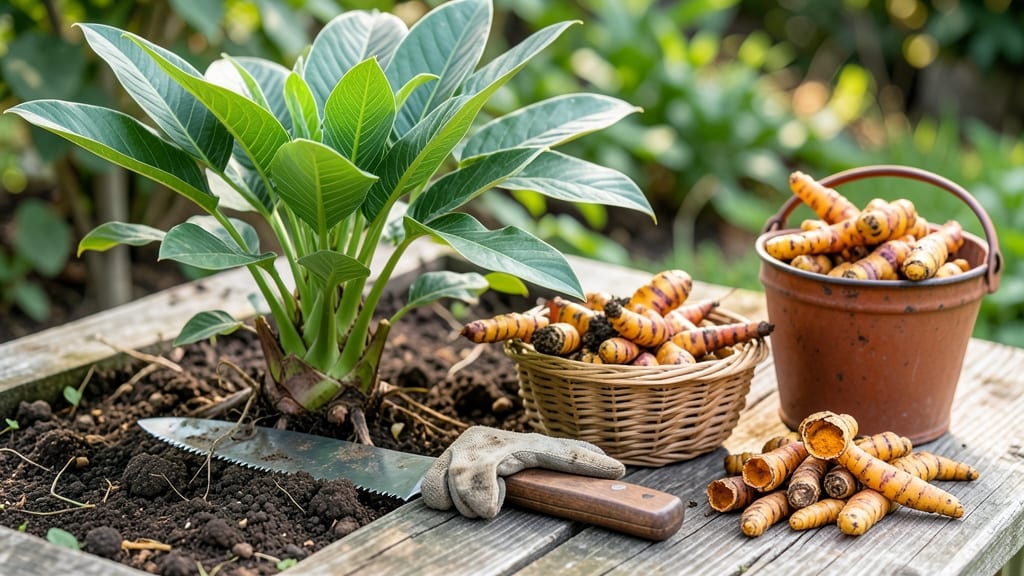
Harvesting turmeric at the right time means waiting until the rhizomes turn deep orange-yellow and the leaves begin to yellow 🌿—about 8-10 months after planting in Zone 6a.
Picture this: you’ve nurtured your turmeric plants all season, and now the moment of truth arrives. Dig too early, and you’ll end up with small, pale roots that lack the bold flavor and health benefits you’re after.
Wait too long, and the rhizomes turn woody, making them tough to use fresh or dry. The key is catching that sweet spot when the plant signals it’s ready.
In temperate climates like Zone 6a, the ideal harvest window falls between October and November, just before the first frost.
But the real clues lie in the plant itself: look for leaves that are yellowing and drying back, and rhizomes that are thick enough to resist a fingernail when pressed. These visual cues ensure you’re harvesting at peak potency.
Below, I’ll break down how to read your turmeric’s signals—from root color to leaf changes—and share pro tips to avoid common mistakes. By the end, you’ll know exactly when to dig for the most flavorful, nutrient-packed harvest.
How to identify turmeric root readiness by color and size
Timing your turmeric harvest correctly ensures you get the most potent rhizomes packed with curcumin. The difference between underripe and overripe roots can be dramatic—one yields pale, fibrous roots while the other delivers deep orange, aromatic treasures. Let’s break down the visual cues that signal perfect harvest timing.
First, focus on the rhizome diameter. Mature turmeric roots should reach 1-2 inches thick at their widest point. These plump rhizomes store the most nutrients and flavor compounds. Smaller roots, under ½ inch in diameter, are underdeveloped and lack the bold color and potency you crave.
Next, examine the skin texture. Ready-to-harvest rhizomes have thick, hard skin that resists pressure from your fingernail. If the skin gives way easily, the root is still maturing. Overripe roots, on the other hand, may feel woody or cracked, signaling they’ve passed their prime.
Color is another critical clue. Deep orange-yellow rhizomes are a hallmark of maturity, indicating high curcumin content. Pale or inconsistent coloring means the root isn’t fully developed. In some cases, you might see greenish patches—a sign of overripeness or stress.
The leaf condition also plays a role. As turmeric prepares for harvest, its leaves will yellow and die back, especially in cooler months. This natural senescence is your body’s way of telling you it’s time to dig.
However, sudden leaf drop due to frost or disease isn’t a reliable indicator.
Now, let’s compare the key differences between underripe, perfectly ripe, and overripe turmeric roots in this handy table:
In temperate climates, aim to harvest turmeric in late fall (October-November) when daytime temperatures drop. In tropical regions, you can harvest year-round, but watch for leaf yellowing as your primary cue. Avoid harvesting during wet seasons, as excess moisture can lead to moldy rhizomes.
Pro tip: Dig up one rhizome to test its readiness without harming the entire plant. Gently brush away soil to inspect the color and size. If it meets the criteria, it’s time to harvest the rest. Remember, patience pays off—rushing the harvest means sacrificing flavor and potency.
Once you’ve identified the perfect rhizomes, clean and cure them properly to preserve their vibrant color and medicinal properties. Soak in water for a few hours to remove soil, then dry in the sun for 1-2 weeks.
Proper curing enhances both taste and shelf life, making your harvest worth the wait.
🌱
Leaf and stem signals that indicate harvest time
Your turmeric plant’s leaves and stems send clear signals when it’s time to harvest—if you know what to look for. Unlike root crops that rely solely on size, turmeric’s foliage undergoes noticeable changes as the rhizomes mature.
In temperate climates like Zone 6a, these signals appear around October-November, but in tropical regions, they may show up year-round with proper care.
The first clue is leaf yellowing, starting at the base and gradually spreading upward. This isn’t the same as nutrient deficiency—it’s a natural sign the plant is redirecting energy to the rhizomes.
Pair this with stems that harden and develop a woody texture, and you’re likely within days of harvest time. These changes happen faster in hot, dry climates than in cooler regions.
Here’s how to read these signals like a pro:
- 🌿 Lower leaves yellow first: Start at the base and work upward—this is normal senescence signaling rhizome maturity.
- 🌡️ Stems turn woody: Run your fingers along the stems—they’ll feel firm and less flexible than when the plant was young.
- 🌧️ Climate adjustments: In tropical zones, harvest when 50% of leaves yellow; in temperate zones, wait until 75% yellow before frost.
- ⏰ Timing window: Harvest within 1-2 weeks of these signs—rhizomes won’t improve after leaves fully die back.
Don’t ignore stem color changes either. Healthy turmeric stems should turn a dull green or brownish hue as they mature, signaling the plant is shifting resources underground. In tropical climates, where growth is more continuous, these signals appear more gradually, so monitor your plants weekly.
The key is acting before the leaves turn crispy—once they’re dry and brittle, the rhizomes may have lost some potency.
If you’re in a temperate zone, combine these foliage signals with air temperature drops. When nights consistently dip below 60°F (15°C), your turmeric is racing toward harvest.
This is Mother Nature’s way of telling you to dig soon—before the first frost locks moisture into the soil and stunts rhizome development. In tropical zones, temperature isn’t as critical, but heavy rains can dilute rhizome flavor, so aim to harvest before prolonged wet spells.
Pro tip: Gently tug on the leaves when they start yellowing. If they pull out easily with minimal resistance, the rhizomes are likely ready. This simple test saves you from digging too soon and missing the sweet spot for maximum curcumin content.
And remember—overripe turmeric loses its vibrant color and becomes fibrous, so don’t wait too long after these signals appear.
By mastering these leaf and stem signals, you’ll harvest turmeric at its peak—rich in flavor, deep in color, and packed with the antioxidants that make it so valuable. The next step? Learn how to store your harvest to preserve that fresh-picked potency for months to come 🌱.