
How To
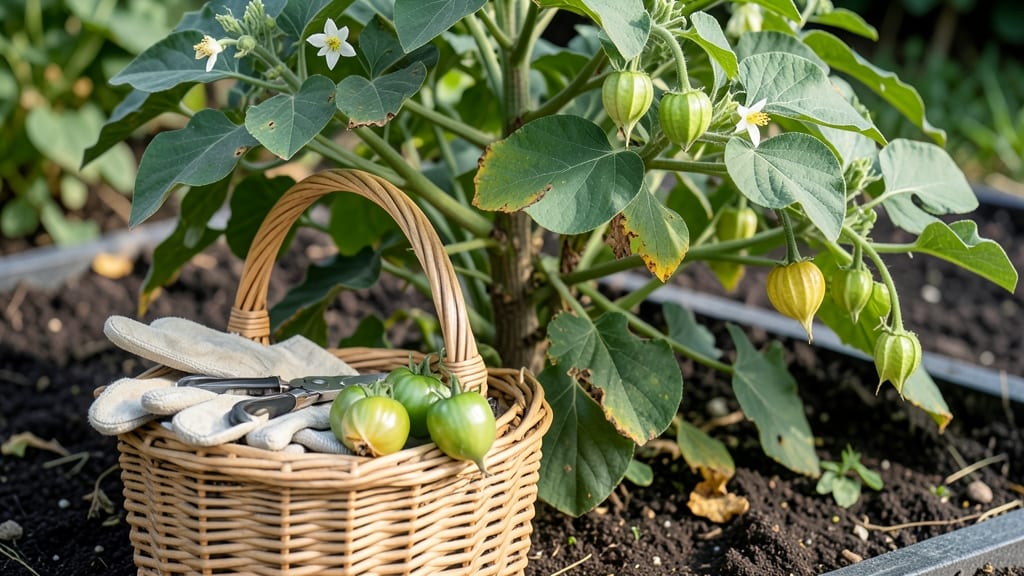
Harvesting tomatillos at the right time ensures their signature tangy flavor shines in every dish 🍅 — and missing the window can turn your salsa verde into a bland disappointment.
Picture this: you’ve nurtured your plants all season, but if you pick too soon, the fruit stays hard and flavorless. Too late, and they’ll shrivel into mealy mush. The secret? Three simple tactile tests that guarantee peak harvest every time.
From checking husk color to testing firmness, these cues take the guesswork out of timing. Whether you’re a first-time gardener or a seasoned grower, knowing when to pluck them makes all the difference in flavor and texture.
Below, I’ll walk you through the exact signs to look for — plus what to do if you miss the perfect window. Ready to master the art of harvesting?
3 Tactile tests to determine perfect tomatillo harvest time
Tomatillos thrive when harvested at their peak, but timing can be tricky since they don't ripen like tomatoes. The key lies in using your senses—touch, sight, and smell—to confirm readiness.
Unlike store-bought tomatillos, homegrown ones reward patience with bold, tangy flavor that transforms your salsa verde from good to extraordinary. I've learned that skipping these tests often leads to either underripe, mealy tomatillos or overripe, bitter ones—neither of which delivers that perfect balance.
Science backs up these tactile methods too. Tomatillos develop soluble sugars and organic acids during ripening, peaking when the husks dry and the fruit softens slightly. The firmness test correlates with cell wall breakdown, while the color shift indicates chlorophyll degradation—a natural process that enhances flavor.
Even the subtle scent changes as starches convert to sugars, giving you a three-pronged confirmation system that's foolproof for home gardeners.
🌱 3 Tactile Tests for Perfect Tomatillo Harvest
- 🤏 Firmness Test: Gently squeeze the fruit through the husk. It should yield slightly like a ripe avocado—not rock-hard or mushy. Ideal firmness means it gives just enough without denting.
- 🌿 Color Shift: Remove the husk to check the fruit's color. Look for a pale green to yellowish-green hue (not bright green). The husk itself should turn light green and papery, signaling maturity.
- 👃 Scent Cue: Sniff the husk and fruit. A mild, slightly sweet aroma (like green corn) confirms ripeness. Overripe tomatillos emit a fermented or sour smell, while unripe ones are odorless.
💡 Pro Tip: Harvest in the morning when temperatures are cooler. This preserves flavor and prevents the fruit from overripening in your hand.
Let me walk you through the firmness test first, as it's the most reliable indicator. When I press a ripe tomatillo, it feels like pressing a soft tennis ball—enough give to know it's ready, but not so soft it's mushy.
I avoid squeezing too hard, as this can bruise the fruit. For comparison, an unripe tomatillo feels like a hard golf ball, while an overripe one squishes like a wet sponge.
This test alone has saved me from wasting dozens of tomatillos that were either too tart or flavorless.
The color shift is where many gardeners go wrong. They focus solely on the husk's color, but the fruit inside tells the real story. A bright green husk with pale green fruit inside means it's ready, while a dark green husk with white fruit means it's too early.
I always remove one husk from each plant to check the fruit's color—this small effort prevents harvesting a whole batch too soon. Pro tip: Use natural light to inspect colors, as artificial light can distort hues.
Don't underestimate the scent test, either. A ripe tomatillo emits a subtle, earthy sweetness that's unmistakable once you know what to look for. I've trained my nose by smelling ripe and unripe tomatillos side by side.
Overripe ones smell sharp and vinegary, while unripe ones have no scent at all. This test is especially useful when harvesting in humid climates, where visual cues can be less reliable due to prolonged moisture.
Timing matters too—harvesting at the right time of day affects flavor. I always pick tomatillos in the early morning when temperatures are coolest. This preserves their tangy sweetness and prevents them from overripening in the heat.
If you must harvest later in the day, store them in the fridge until you're ready to use them. I've noticed that tomatillos picked in the afternoon often develop a soapy aftertaste if left sitting in the sun.
One common mistake I see is waiting until the husks split open naturally. By then, the tomatillos are often overripe and bitter. The husks should be dry and papery but still intact—this is your cue to harvest.
If the husks split open on their own, the fruit inside may have fermented slightly, which can ruin dishes like salsa verde. Trust the firmness, color, and scent tests first, and you'll avoid this pitfall every time.
For gardeners in hot climates, ripening happens faster, so check tomatillos every 2-3 days during peak season. In cooler regions, you might have 10-14 days between the firmness test passing and the husks splitting open.
I keep a small notebook to track ripening times in my zone—this helps me predict harvest windows for future seasons. Consistency is key, and these tactile tests ensure you're always on target.
Once you've mastered these tests, you'll never second-guess harvest time again. The first time I used all three methods together, my salsa verde had layers of flavor I'd never experienced before. The tang was bright, the texture perfect, and the aroma irresistible.
That's the power of harvesting at peak ripeness—your senses become your best tools in the garden. Now, grab your gloves and get ready to pick the perfect tomatillos!
Tomatillo harvest stages: from green to golden (and why timing matters)
Tomatillos undergo a dramatic transformation from unripe green husks to golden-ready fruit, and getting the timing right makes all the difference in flavor. When harvested too early, they’re tart and mealy, while waiting too long turns them mealy and bitter.
The key lies in watching for these three visual and tactile cues that signal peak ripeness.
Environmental factors like temperature, humidity, and sunlight can speed up or slow down ripening. Hot, dry climates may accelerate the process, while cooler, wetter conditions can delay it.
For example, in Zone 6a, tomatillos typically reach harvest readiness between 75-90 days after planting, but this window shifts in warmer regions.
Understanding the stages helps you avoid common mistakes. Unripe tomatillos have dark green husks and hard, white fruit inside, while overripe ones develop yellowing husks and soft, wrinkled fruit. The sweet spot? Light green husks that feel papery and fruit that’s pale green, firm, and about the size of a golf ball.
The husks are your first clue—they should turn from dark green to a light, almost translucent green and feel dry to the touch. If they’re still tight and dark, the fruit inside isn’t ready.
Meanwhile, the fruit itself should yield slightly when gently squeezed, like a ripe avocado. This firmness indicates optimal sugar development and acidity balance.
Environmental stress, like drought or extreme heat, can trick tomatillos into ripening faster, so always check the fruit’s firmness alongside visual cues. In humid climates, husks may stay green longer, while dry conditions can cause premature husk drying.
Adjust your expectations based on your local growing conditions to avoid harvesting too early or late.
Timing matters because flavor peaks at the ideal stage. Overripe tomatillos lose their signature tang and develop a bitter aftertaste, while underripe ones lack the crisp texture and bright acidity that make salsa verde shine.
By paying attention to these stages, you’ll ensure every tomatillo you pick delivers that perfect balance of tangy, crisp, and juicy flavor.