
Plants
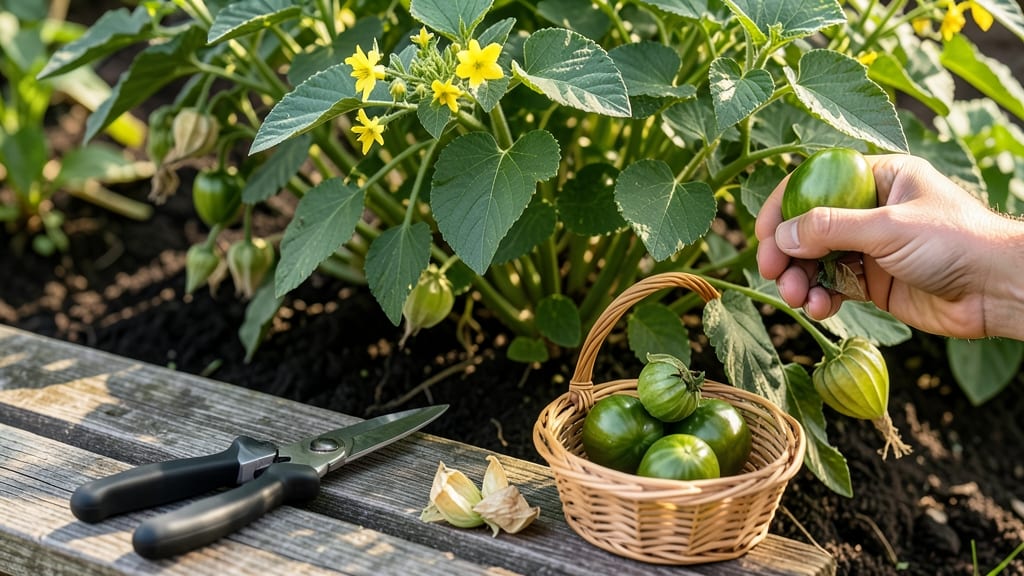
Harvesting tomatillo plants at the right time means the difference between tart, tangy salsa verde and bland, mealy pods 🍅 — and the secret lies in knowing exactly when those green gems are ready.
Picture this: you’ve nurtured your tomatillos all season, but if you pick them too early, they’re underripe and bitter; too late, and they turn mealy. The key is catching them at 1.5 to 2.5 inches in size, with a firm but slightly soft feel and a uniform green hue.
In USDA Zone 6a, that window typically opens in July and stretches through September, but heat waves or cooler spells can shift the timing. I’ll walk you through the three simple tests to nail the perfect harvest moment every time.
Once you master these tricks, you’ll never second-guess whether your tomatillos are ready — and your salsa will thank you. Let’s break down the exact cues to watch for.
Tomatillo ripeness guide: size and color clues for perfect harvest
Timing your tomatillo harvest is like catching a wave—too early and your salsa verde will lack depth, too late and the flavor turns bitter. The secret lies in three key indicators: size, color, and texture.
Master these, and you'll transform your garden into a tangy treasure trove every summer.
Start with size as your first clue. Mature tomatillos typically measure between 1.5 to 2.5 inches in diameter. Think of them as slightly larger than a golf ball but smaller than a baseball.
Smaller pods are still developing their signature tartness, while oversized ones often signal overripeness and a decline in flavor quality.
Next, watch for color shifts that mark ripening progress. Young tomatillos are bright green, but as they mature, they develop a pale yellow-green hue—especially around the base.
This subtle color change indicates peak sweetness and acidity balance. Avoid harvesting when pods show yellow patches or brown spots, as these signal spoilage.
Texture reveals the final piece of the puzzle. A perfectly ripe tomatillo should feel firm but slightly soft when gently squeezed—like a ripe avocado. If it's rock-hard, it's underripe; if it's mushy, it's past its prime.
This tactile test is your best defense against bland or bitter harvests, especially in hot climates where ripening speeds up.
Regional growing conditions dramatically affect ripening timelines. In USDA Zone 9 or warmer, tomatillos may reach harvest size in just 60–70 days after planting, while cooler Zone 7 gardens often take 80–90 days. Pay attention to your local frost dates—most varieties need 100–120 frost-free days to mature fully.
Don't overlook the stem separation test as your final check. Gently twist a tomatillo at its base—if it detaches cleanly with minimal resistance, it's ready. This method works best in the morning when pods are cool and firmest. Pro tip: Harvest on dry days to prevent fungal issues during handling.
For purple varieties like 'Purple de Milpa,' the color shift to dusky purple-green signals ripeness, but the size and texture tests remain identical. These heirloom types often ripen slightly later than green varieties, so give them 5–7 extra days before harvesting.
Their deeper hue doesn't change the 1.5–2.5 inch size rule—just the color palette!
One common mistake is harvesting based solely on pod size while ignoring color. A 2-inch green pod might still taste bland if it hasn't developed that pale yellow-green tint. Similarly, yellow pods are past their prime—save them for cooking where their softer texture works better in sauces than fresh salsas.
Store freshly harvested tomatillos in a paper bag in the fridge for up to 2 weeks to preserve their tart flavor. Or freeze them whole for later use—just thaw and peel before cooking. The key to great salsa verde starts in your garden, not your kitchen.
How to test tomatillo ripeness: the 3-Step picking method
Harvesting tomatillos at the right time ensures maximum flavor and texture—overripe pods turn mealy, while underripe ones lack tartness. My foolproof method combines visual cues, tactile tests, and a simple flavor check to guarantee perfect harvest timing.
Skip the guesswork and pick when these green gems are at their peak!
Start by examining the pod size—ripe tomatillos should measure 1.5–2.5 inches in diameter, roughly the size of a golf ball. If they’re smaller, wait a few days; larger pods risk becoming overmature and bitter. Look for a uniform green color without yellowing patches, which signals ripeness.
Step-by-Step Tomatillo Harvest Test
- Step 1: Gentle Squeeze Test
Grasp a tomatillo and apply light pressure—it should feel firm but slightly yielding, like a ripe avocado. If it’s rock-hard, it’s underripe; if it’s mushy, it’s overripe. - Step 2: Stem Separation
Twist the pod gently near the stem. A ripe tomatillo will detach cleanly without tearing. If it resists, wait 1–2 days for full maturity. - Step 3: Flavor Sample
Slice one open—ripe tomatillos taste tart and slightly sweet, not bitter. If it’s bland, harvest sooner next time; if it’s bitter, you’ve missed the window.
Common mistakes include picking based on pod color alone—some varieties stay green even when overripe. Always combine the squeeze test and stem twist for accuracy. For purple tomatillos, look for a deep, even hue before testing.
Overripe tomatillos lose their tartness and develop a mealy texture, making them unusable for salsa. Underripe pods lack flavor and may not soften properly when cooked. To salvage underripe tomatillos, harvest them early and let them ripen indoors in a paper bag for 2–3 days.
Pro tip: Harvest on a dry morning to avoid fungal issues. Store ripe tomatillos in a paper bag in the fridge for up to 2 weeks. For long-term storage, freeze them whole—they’ll keep their flavor for months!
Mastering this 3-step method ensures your tomatillos are always perfectly ripe, ready to transform into vibrant salsas or other dishes. Happy harvesting!