
How To
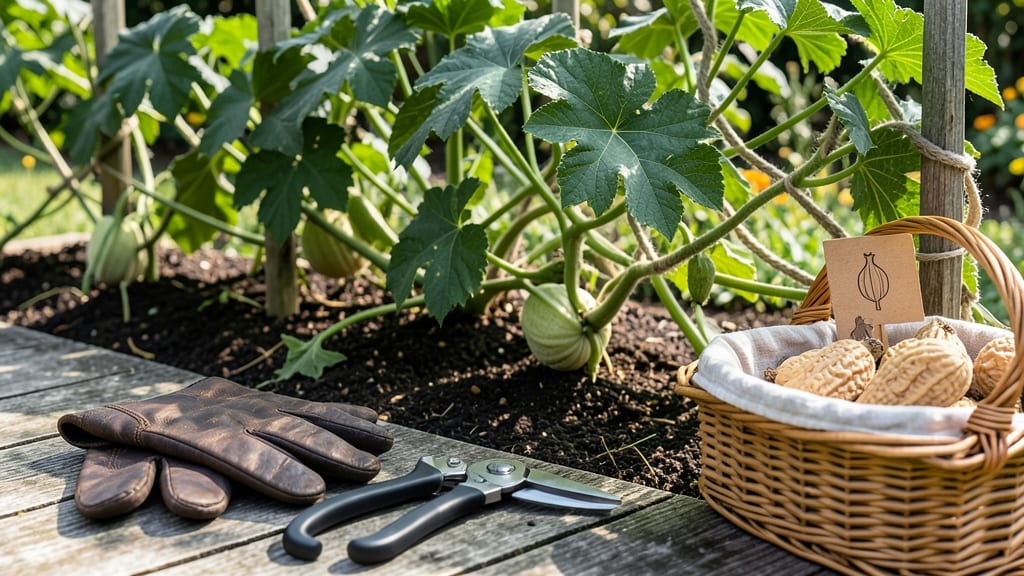
Harvesting loofah at the right time ensures soft, usable sponges instead of tough, wasted growths—yet many gardeners miss the window because they rely on guesswork.
Picture this: you’ve nurtured your 🌿 loofah vine all summer, watching it climb and bloom, only to pick a fruit that’s either too bitter or rock-hard.
That’s the cost of timing it wrong. The key isn’t just waiting for fall—it’s knowing the three tactile tests that tell you exactly when to snip.
From checking the skin’s firmness to listening for the telltale rattle of mature seeds, these methods take the guesswork out of harvesting. You’ll also learn how climate and care can shift your timeline, plus the one pruning mistake that turns your loofah into a tangled mess.
By the end, you’ll harvest with confidence, avoiding the two biggest mistakes that turn sponges into scrap—and even extend your loofah’s shelf life for years to come.
3 Tactile tests to determine perfect loofah harvest timing
Harvesting loofah at the wrong stage can turn your hard work into tough, unusable sponges. Unlike many fruits, loofahs don't ripen after picking—they need to be harvested at the exact moment when their texture and seed pods signal readiness.
The key? Trusting your hands as much as your eyes. These three tactile tests will help you avoid overgrowth and wasted effort.
Loofahs mature through distinct stages, and each requires a different touch to assess. The skin texture shifts from smooth to rough, the seed pod firmness changes dramatically, and the vine's maturity sends clear signals through its weight and flexibility.
By mastering these hands-on checks, you'll know precisely when to harvest for the softest, most effective sponges.
-
1. Skin Texture Test
Run your fingers over the fruit surface. Ready loofahs feel rough and papery, not smooth. Press gently—if the skin cracks easily, it's harvest time.
-
2. Seed Pod Firmness
Gently shake the loofah. If you hear a dry rattle (like seeds inside a dried pod), the interior fibers are fully developed. Tap it firmly—if it sounds hollow, it's ready.
-
3. Vine Maturity Check
Examine the vine's flexibility. A mature loofah vine feels wooden and brittle near the fruit. Bend a small stem—if it snaps easily, the fruit is at peak harvest readiness.
Start with the skin texture test first, as this is the most obvious visual and tactile clue. A loofah that's ready for harvest will have a dull, brownish exterior with a rough feel—almost like crumpled paper. If you're still unsure, move to the seed pod firmness test.
The rattle you hear when shaking the fruit confirms the seeds inside have dried completely, which is essential for the sponge fibers to develop properly.
Never harvest based on color alone—some loofahs stay green well past their prime. Instead, combine the vine maturity check with the other two tests. A mature vine will have yellowing leaves and a slightly woody stem.
If the vine still feels flexible and green, wait a few more days. Overharvesting too early results in bitter, unusable sponges, while waiting too long turns them hard and brittle.
Timing is everything with loofahs, and these tactile tests remove the guesswork. For example, if your loofah passes the skin texture test but fails the seed pod firmness test, wait another week before harvesting.
This method ensures you're always picking loofahs at their peak softness and usability, whether you're growing them for gardening projects or personal use.
One common mistake is harvesting loofahs when they're still slightly green. These will never develop into proper sponges—they'll remain tough and unusable. Always wait until the fruit turns brown and the vine shows signs of dying back.
This usually happens in late summer to early fall, depending on your climate zone.
After harvesting, let the loofahs dry completely in the sun for 2-3 weeks. This final step transforms them into the soft, fibrous sponges we know. If you harvest too early, even the drying process won't salvage them.
Use these tactile tests as your guide, and you'll always know when your loofahs are ready for their next life as eco-friendly cleaning tools.
Pro tip: Mark your calendar when you first notice the skin roughening on your loofahs. This helps track their progress and ensures you're ready to harvest at the perfect moment. With practice, you'll develop an instinct for these tactile cues, making loofah harvesting second nature.
🌱 Whether you're a beginner or a seasoned gardener, these three tests will revolutionize your loofah harvest. No more wasted effort or tough sponges—just perfect, ready-to-use loofahs every time.
Loofah growth stages: when to prune vs. harvest for maximum yield
Understanding the loofah growth stages is key to balancing pruning for vine health and harvest timing for sponge quality. Loofah plants (Luffa species) grow aggressively, reaching 25-30 feet tall, so strategic pruning prevents overcrowding while preserving fruit production.
Pruning should happen early in the season to encourage lateral growth. Remove weak or diseased vines first, then trim back overly aggressive shoots to redirect energy to fruit-bearing branches. This is especially important in USDA Zone 6 where vines thrive but need guidance.
| Growth Stage | Action | Pruning/Harvest Notes |
|---|---|---|
| Flowering (60-90 days) | Prune aggressively | Remove 50% of flowers to boost fruit size. Keep 3-5 strongest blooms per node. |
| Fruit Formation (90-120 days) | Light pruning only | Trim yellowing leaves to improve airflow. Avoid cutting near fruit. |
| Maturity (120-150 days) | Harvest readiness | Check for hard brown skin and rattling seeds. Harvest before vines yellow. |
| Post-Harvest (150+ days) | Full vine removal | Cut back dead vines to 12 inches from ground. Compost or discard. |
Harvesting too early results in soft, unusable sponges, while waiting too long hardens the fibers. Aim for 150 days after planting, when the fruit turns yellow-brown and the skin feels thick but pliable. A gentle shake should reveal rattling seeds inside.
After harvest, dry loofahs indoors for 2-4 weeks in a well-ventilated area. Hang them upside down to prevent mold. Prune dead vines immediately post-harvest to prepare for next season's growth.
Balancing pruning and harvest timing ensures maximum yield and high-quality sponges. Regular monitoring of vine health and fruit development pays off with clean, usable loofahs every season. 🌿