
Plants
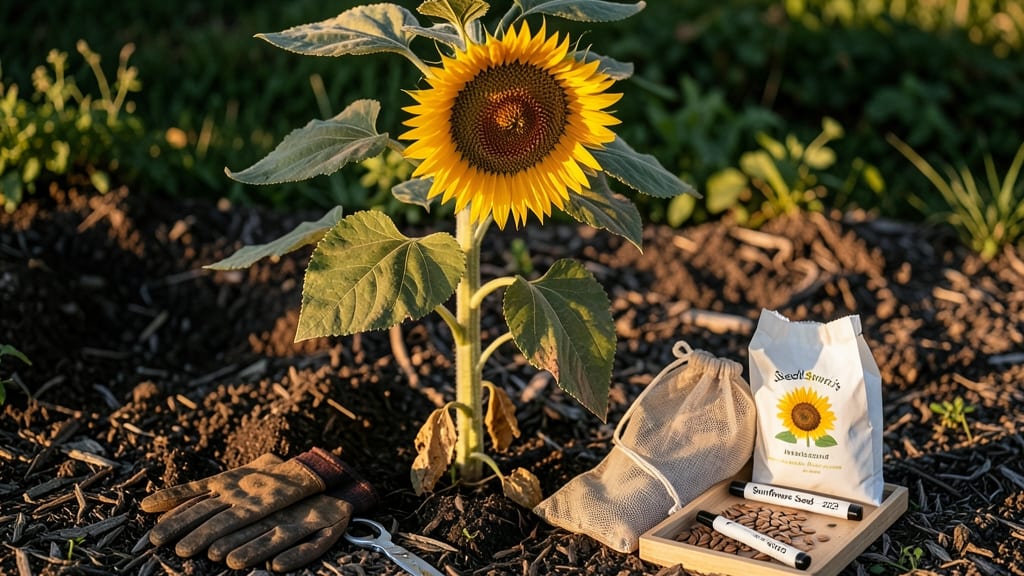
Harvesting sunflower seeds from plants happens at the perfect moment between late summer and early fall, when the seed heads turn golden-brown and the petals have vanished 🌻.
Picture this: you’ve nurtured your towering sunflowers all season, only to face a tough choice—pull them too soon, and you’ll end up with immature seeds. Wait too long, and birds or frost might steal your harvest.
The key is knowing when those seeds are just right: firm, dry, and ready to be saved.
This guide breaks down the three clear stages that signal it’s time to harvest, from the first color change to the telltale rattle inside the seed head. You’ll also learn how to test ripeness with simple tricks and avoid common mistakes that waste your hard work.
Once you’ve got the timing down, I’ll walk you through drying and storing your seeds so they stay fresh for months—because the best harvest is one you can enjoy all year long.
3 Key stages to identify when sunflower seeds are ready for harvest
Harvesting sunflower seeds at the right time ensures maximum yield and flavor, but knowing exactly when to harvest can be tricky. The process involves watching for three key visual and physical changes in your sunflower plants.
These stages—petal drop, seed head color change, and seed firmness—mark the perfect window for collecting seeds before birds or frost ruin your harvest.
First, you’ll notice the bright yellow petals of your sunflower begin to wilt and fall away. This is your first clue that the seed head is maturing. However, don’t rush to harvest just because the petals are gone—you still need to confirm the seeds are fully ripe.
The next two stages will give you the final confirmation you need to avoid harvesting too early or too late.
⚠️ PRO TIP: Use a paper bag to cover the seed head once the petals drop. This prevents birds from snatching your seeds while they’re still ripening.
Petals Fully Fallen
The sunflower petals should have completely dropped off, leaving only the seed head. This usually happens 85-100 days after planting, depending on the variety.
Seed Head Turns Yellow-Brown
The back of the seed head should turn from green to a dry, papery yellow-brown. This indicates the seeds inside are fully mature and ready for harvest.
Seeds Rattle When Shaken
Gently shake the seed head—if the seeds inside make a distinct rattling sound, they’re ready. This confirms the seeds are dry and fully developed.
The seed head color change is one of the most reliable indicators. When the back of the seed head turns from green to a dry, yellow-brown, it’s a clear sign that the seeds inside are mature.
At this stage, the seeds are also fully developed and packed with nutrients. If you wait too long, the seed head may crack open naturally, spilling seeds onto the ground.
To avoid this, harvest the seed head as soon as it turns yellow-brown. Use a sharp pair of pruning shears or a knife to cut the stem about 6-12 inches below the seed head.
This makes it easier to hang the head upside down for drying. Hanging the seed head in a dry, well-ventilated area ensures the seeds finish drying evenly.
Once the seed head is fully dry, you can remove the seeds by rubbing the head between your hands or using a fork to gently pry them out. Store the seeds in a cool, dark place in an airtight container to preserve their freshness for up to a year.
Proper drying and storage are just as important as timing for a successful harvest.
If you miss the harvest window, don’t worry—sunflowers are resilient. However, seeds left too long on the plant may become overripe, lose flavor, or attract pests.
Keep an eye on the weather forecast too; if frost is expected before the seeds are ready, harvest them early and dry them indoors to salvage your crop.
By mastering these three key stages—petal drop, color change, and seed firmness—you’ll ensure a bountiful harvest of high-quality sunflower seeds every season. Happy gardening!
How to test sunflower seed ripeness: the crush and shake method
Once your sunflower heads start drying, you’ll need to test their ripeness to avoid harvesting too soon or too late. The crush and shake method is my go-to technique for determining when seeds are perfectly ready.
This simple process saves you from guessing and ensures you collect seeds at their peak flavor and viability.
Start by looking for visual cues like a yellow-brown seed head and fallen petals. But don’t rely solely on looks—physical tests like the crush and shake confirm readiness. These methods help you avoid the frustration of premature harvesting (soft, green seeds) or overripe seeds (dry, brittle, and prone to cracking).
Step-by-Step: Testing Sunflower Seed Ripeness
-
Step 1: The Back-of-the-Hand Crush Test
Gently press a seed head against the back of your hand. If the seeds feel firm but not hard, they’re ready. Soft seeds mean more time on the plant; hard seeds may be overripe. -
Step 2: The Shake Test
Hold the dried seed head over a bowl and shake it. If seeds rattle loudly inside, they’re fully mature. A dull thud means they need more time. -
Step 3: Check for Seed Release
Pinch a few seeds between your fingers. If they pop open easily and reveal a creamy white interior, they’re perfect for harvesting. Dark or shriveled seeds are past their prime. -
Step 4: Avoid Common Mistakes
Don’t harvest if the seed head is still green or if petals remain attached. Overripe seeds may crack open, attracting pests like birds or rodents.
Timing your harvest correctly also depends on your climate zone. In cooler regions, aim to harvest before the first frost, while warmer zones may allow seeds to ripen later.
If you’re unsure, err on the side of waiting a few extra days—overripe seeds are easier to spot than underripe ones.
Once you’ve confirmed ripeness, cut the seed head from the stem and hang it upside down in a dry, well-ventilated space. This allows seeds to finish drying naturally and makes them easier to remove later. Avoid harvesting on rainy days, as moisture can speed up mold growth.
By mastering the crush and shake method, you’ll transform your sunflower harvest from a gamble into a guaranteed success. The key is patience and observation—your seeds will thank you with maximum flavor and storage life.