
How To
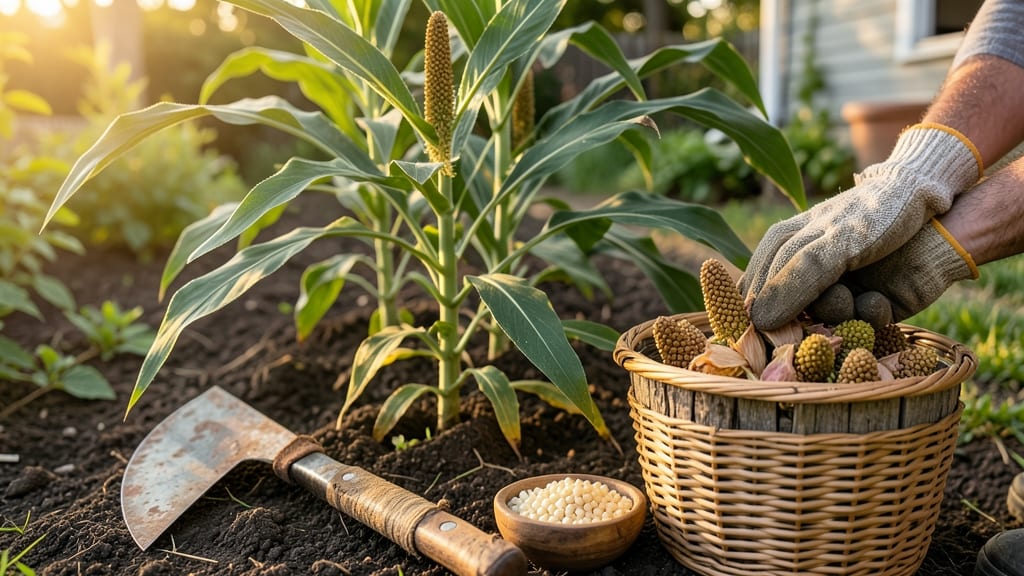
Harvesting sorghum at its sweetest means catching it when the tassels turn golden-brown and the stalks snap cleanly—3 simple tests separate perfect grain from bitter stalks.
Picture this: you’ve nurtured your sorghum 🌾 through the summer, and now the moment of truth arrives. One wrong move, and you’re left with grain that’s either too hard or too soft.
The good news? With just a few checks—like pressing a seed for milkiness or testing stalk tenderness—you’ll never guess again.
Timing matters because sorghum doesn’t wait. Too early, and you’re sacrificing yield; too late, and the flavor turns bitter. In USDA Zone 6a, where frost looms by October, knowing these cues means the difference between a bountiful harvest and wasted effort.
Here’s what you’ll learn: the exact tests to harvest at peak sweetness, how climate and variety tweak the schedule, and what to do if you miss the window. No more second-guessing—just sweet, ready-to-use sorghum every time.
3 Visual and physical tests to harvest sorghum at peak sweetness
Timing your sorghum harvest perfectly ensures you enjoy sweet, tender grain instead of hard, bitter kernels. Unlike some crops, sorghum gives clear visual and physical cues when it's ready.
These three simple tests—tassel color, seed moisture, and stalk tenderness—will help you harvest at the absolute peak, whether you're growing it for grain, syrup, or forage. Mastering these methods means never missing the sweet spot again.
First, let's address the most common question: Can I harvest sorghum too early? Absolutely! Harvesting prematurely means sacrificing both sweetness and yield. The grain won't have developed its full flavor profile, and the stalks may not produce enough syrup if that's your goal.
Conversely, waiting too long turns the grain hard and unpalatable. These tests eliminate guesswork and give you precise indicators tailored to your specific variety and climate.
Let's dive deeper into the tassel color test, which is often the most reliable visual cue. The tassel's color change signals physiological maturity in the plant. For sweet sorghum varieties, this test is particularly critical because the sugar content peaks just after the tassel turns brown.
I recommend harvesting in the early morning when the plant's moisture content is highest, which enhances sweetness. If you're growing grain sorghum, wait until the tassel is fully brown before harvesting.
The seed milk stage test is my favorite because it's so straightforward and doesn't require any special tools. Simply press a seed between your thumbnail and forefinger. When the seed releases that milky liquid, you've caught it at the perfect moment for maximum sweetness.
This test works particularly well for sweet sorghum varieties that are often used for making sorghum syrup or fresh eating. Remember, this test is most accurate in the morning when the plant's moisture content is at its peak.
Don't overlook the stalk tenderness test, which provides valuable information about the plant's overall maturity. When you snap a stalk near the base and it breaks cleanly—similar to how fresh celery snaps—this indicates the grain is ready for harvest.
For syrup sorghum, you'll want to harvest when the stalks are firm but not yet woody. This typically occurs just before the first frost in cooler climates. If the stalk bends instead of snapping, your sorghum needs more time to mature.
Here's a critical pro tip for all three tests: always harvest on a dry, sunny morning. This timing ensures the plant's moisture content is balanced, making the tests more accurate. Avoid harvesting after rain when the plant may appear more mature than it actually is.
For large-scale harvests, I recommend testing multiple plants across your field to account for natural variability in maturity rates.
What about regional differences? If you live in a hot, dry climate like Arizona or Texas, your sorghum may mature faster—sometimes up to 10 days earlier than in cooler regions. In these areas, I suggest checking the tassel color daily during the final maturation phase.
Conversely, in cooler climates like the Pacific Northwest, sorghum may take longer to mature, so don't rush the harvest based on calendar dates alone.
For syrup production, timing is especially critical. You want to harvest when the stalks are still plump and juicy but before they become woody. This typically occurs when the tassels are just starting to turn brown.
If you wait too long, the stalks will become fibrous, reducing your syrup yield significantly. I've found that harvesting syrup sorghum in the late afternoon gives the best juice flow when processing begins the next morning.
Remember that variety matters. Some sorghum types are bred specifically for sweetness and should be harvested when the tassels are just turning brown, while others are grown for grain and require the tassels to be fully brown.
Always check your seed packet or plant tag for specific recommendations. If you're growing multiple varieties, keep a small harvest journal noting when each type reaches maturity in your specific climate.
Finally, let's address a common mistake: harvesting based solely on days to maturity. While your seed packet may indicate a 90-110 day range, these estimates are based on ideal growing conditions.
Local climate, soil quality, and even rainfall can significantly affect maturation timing. That's why these visual and physical tests are so valuable—they give you real-time information about your specific plants' readiness.
How climate and sorghum variety affect harvest timing
Your sorghum’s harvest window isn’t set in stone—it shifts based on temperature, variety, and rainfall. In hot climates (90°F+), sweet sorghum may mature 7–10 days faster than in cooler regions (70–80°F).
Meanwhile, grain sorghum takes longer to dry on the stalk in humid areas, while syrup varieties must be harvested before full maturity—green stalks yield the most juice. Understanding these factors helps you avoid bitter grain or wasted syrup potential.
Let’s break down how to adjust your harvest timing for three key variables: climate, sorghum type, and moisture conditions. Each plays a critical role in determining whether your crop ends up as tender sweet grain, rich syrup, or high-quality forage.
Miss the window, and you’ll either lose flavor or yield—so pay attention to these adjustments!
For syrup sorghum, timing is especially critical—you’ll want to harvest just before the first frost in cooler climates or when stalks reach optimal sugar content (usually 90–110 days after planting). In hot, dry regions, syrup sorghum may mature faster, so check stalks weekly starting at 80 days.
If you wait too long, the juice yield drops, and the stalks become woody and fibrous—ruining your syrup batch.
If you’re growing grain sorghum, focus on seed moisture and stalk dryness. In humid climates, grain takes longer to dry on the stalk, so harvest when 80% of seeds turn brown (use the thumbnail test—press a seed; it should feel damp but not watery).
In arid areas, grain dries faster, so harvest earlier to prevent shattering. For forage sorghum, cut before the plant bolts (sends up a seed head) to maximize leafy growth for livestock.
One common mistake is assuming all sorghum varieties follow the same timeline. Sweet sorghum (like ‘Dale’ or ‘Milo’) matures 10–15 days earlier than grain types (like ‘Feterita’ or ‘Pioneer 84G62’). Always check seed packets for days-to-maturity and adjust your planting schedule accordingly.
For example, in Zone 6a, plant grain sorghum in late April for a September harvest, while syrup varieties should go in early May to avoid frost.
Finally, rainfall patterns can throw off your harvest window. In drought years, sorghum matures faster but with harder, less flavorful grain. To combat this, deep-water your plants 2 weeks before harvest to plump up the stalks and seeds.
Conversely, in wet seasons, sorghum may stay tender longer, increasing the risk of fungal diseases like head smut. If your stalks feel slimy or discolored, harvest immediately and dry the grain quickly to prevent spoilage.