
How To
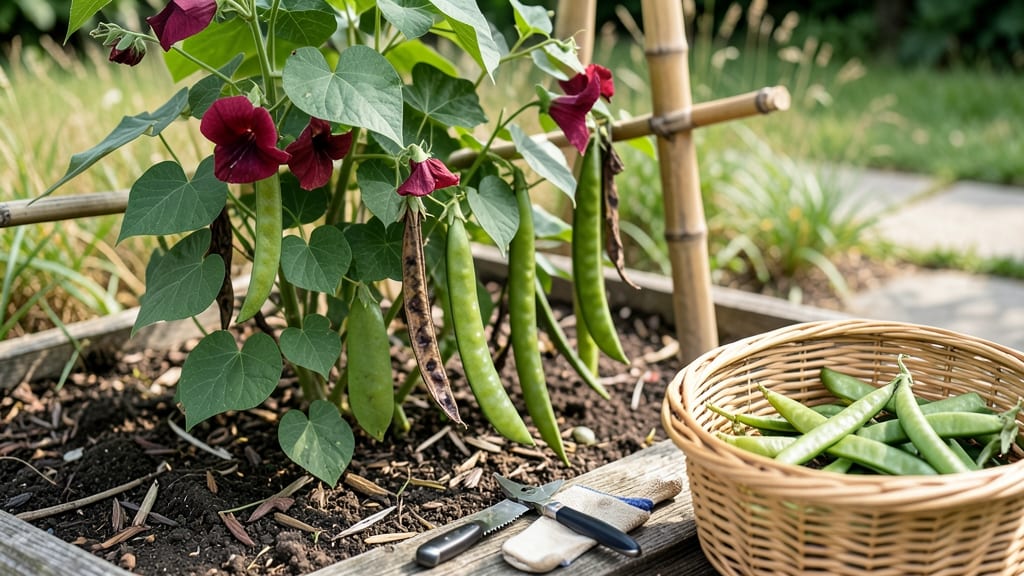
Harvesting scarlet runner beans at the right time transforms a tender, protein-rich pod into a meal-worthy treasure — but miss the window, and you’ll end up with dry, stringy shells instead.
Picture this: you’ve spent weeks nurturing your 🌱 Scarlet Runner Bean vines, watching them climb and bloom, only to wonder, "When do I actually pick these things?" The answer isn’t just about size—it’s about the subtle shift from firm to fibrous, a moment that happens faster than you think.
Most gardeners wait until pods hit 4-6 inches long, but the true magic happens before the seeds bulge. That’s when the flavor is sweetest, the texture crisp, and the yield highest. Skip this window, and you’re left with tough pods that snap back at you—literally.
Below, I’ll walk you through the exact visual cues to watch for, the best time of day to harvest, and how to keep your plants producing all season long. No more guesswork, just perfectly timed pods every time.
How to identify the perfect harvest window for scarlet runner beans
Timing your harvest of scarlet runner beans is the secret to unlocking their tender texture and sweet flavor. These vibrant vines produce pods that quickly transition from perfect eating to tough and stringy.
The key? Watching for seed bulging inside the pods—this is your critical threshold for flavor and yield. Once seeds start swelling, the pods lose their prime window, making regular checks essential.
Start monitoring your scarlet runner beans about 60 days after planting, when pods first appear. At this stage, they’re still small and pale, signaling they’re not ready. The ideal harvest window opens when pods reach 4-6 inches in length, turning a rich deep red color.
This visual cue paired with firmness to the touch means the beans are at their peak for fresh eating or preserving.
Why seed bulging matters: When seeds inside the pod begin to swell, the pod’s cell walls toughen, reducing tenderness. This bulging phase also signals the plant’s energy shifts from pod production to seed development. Harvesting before this stage ensures you get maximum yield and best flavor—both critical for gardeners aiming for homegrown success.
Visual cues to watch for:
- Pod length: 4-6 inches (longer pods mean over-maturity)
- Pod color: Deep, consistent red (not streaked or pale)
- Pod firmness: Snaps easily when bent (not soft or rubbery)
- Seed visibility: Seeds should be flat against the pod wall
| Stage | Pod Characteristics | Harvest Action | Flavor Impact |
|---|---|---|---|
| Early Development | Pods <2 inches, pale green | Not ready | Too tender, bland |
| Prime Harvest | 4-6 inches, deep red, firm | Harvest immediately | Sweet, crisp, optimal |
| Over-Mature | >6 inches, seeds bulging, dry | Avoid harvesting | Tough, bitter, stringy |
| Seed Development | Pods crack open, seeds loose | Collect seeds only | Inedible, hard shells |
Harvesting at the right moment isn’t just about flavor—it’s about encouraging continuous production. When you pick pods regularly, your scarlet runner beans respond by producing more flowers and new pods.
This pruning effect keeps the plant focused on growth rather than letting pods over-mature. Aim to harvest every 2-3 days during peak production to maintain this cycle.
One common mistake is waiting for pods to turn fully red before harvesting. While color is a clue, pod firmness and seed flatness are more reliable indicators.
A pod that’s deep red but still firm with flat seeds is perfect, while one that’s red but soft or has bulging seeds has passed its prime. Use your fingers to gently press the pod—if it resists slightly, it’s ready.
Regional considerations can slightly adjust your harvest timing. In warmer climates (USDA zones 8-10), pods may mature faster due to extended growing seasons. Conversely, in cooler zones (6-7), pods might take longer to reach harvest size.
Always monitor your plants’ progress rather than relying solely on calendar dates for scarlet runner beans.
For gardeners preserving their harvest, timing is equally critical. Fresh pods freeze well but lose texture if over-mature. Drying seeds for next year’s planting requires waiting until pods fully dry on the vine, but this is a separate process from eating pods.
Label your harvests clearly to avoid mixing prime eating pods with seed-saving pods.
Pro tip: Use a small pruning shears or sharp knife to snip pods cleanly, leaving a small stem attached. This reduces damage to the vine and encourages more production.
Avoid pulling pods off by hand, as this can tear the vine and stress the plant. Regular, gentle harvesting keeps your scarlet runner beans thriving all season long.
Remember, the seed bulging stage is your final deadline. Once seeds start pushing against the pod walls, the clock runs out on tender, flavorful beans. By mastering these visual cues and acting quickly, you’ll enjoy a bounty of scarlet runner beans that rival store-bought—without the tough shells or bitter taste.
Harvesting mistakes that ruin your scarlet runner bean crop
Even with perfect growing conditions, a few simple harvesting mistakes can turn your 🌱 Scarlet Runner Bean bounty into tough, flavorless pods. The most common error? Waiting until pods are too mature—when seeds bulge and fibers harden.
I’ve seen gardeners lose entire harvests by ignoring these subtle but critical signs of over-maturity.
Another frequent blunder is harvesting inconsistent pods. Some gardeners pick only the longest pods, leaving smaller ones to overripen. This imbalance stresses the plant and reduces overall yield. Even worse, many skip the early morning harvest window, when pods are crispest and easiest to pick.
Let’s fix these mistakes before they cost you. The key is consistent checks and knowing exactly what to look for. A quick glance at your vines every 2-3 days can save you from bitter, stringy pods that no one wants to eat.
⚠️ Critical Harvest Warning
Never harvest when:
- • Pods are hard with bulging seeds (🔴🌱)
- • Seeds feel firm inside the pod (🤏)
- • Pods snap when bent (💥)
Harvest instead when:
- • Pods are 4-6 inches and deep red (🔴✅)
- • Pods are firm but not hard (🤏)
- • Seeds are tiny and flat inside (🌱)
Pro Tip: Harvest every 2-3 days to encourage continuous production.
One of the biggest yield killers is harvesting too infrequently. Scarlet runner beans produce pods in waves, and if you wait too long between pickings, the plant redirects energy from new flowers to seed development. This leads to fewer pods and poorer quality over time.
Another mistake is using dull pruners. Jagged cuts stress the plant and invite disease. Always use sharp scissors or pruners and cut just above a leaf node. This encourages bushier growth and more pods. I’ve seen gardeners with beautiful vines but minimal harvests simply because their tools were dull.
Finally, ignore the weather at your peril. Harvesting after rain can make pods slippery and difficult to handle, while picking in extreme heat causes them to wilt quickly. Aim for cool mornings—this is when pods are at their peak freshness and flavor.
By avoiding these common mistakes, you’ll enjoy a longer harvest season with tender, flavorful pods all summer long. The secret? Stay consistent, stay sharp, and stay observant—your taste buds (and your plants) will thank you. 🌿