
How To
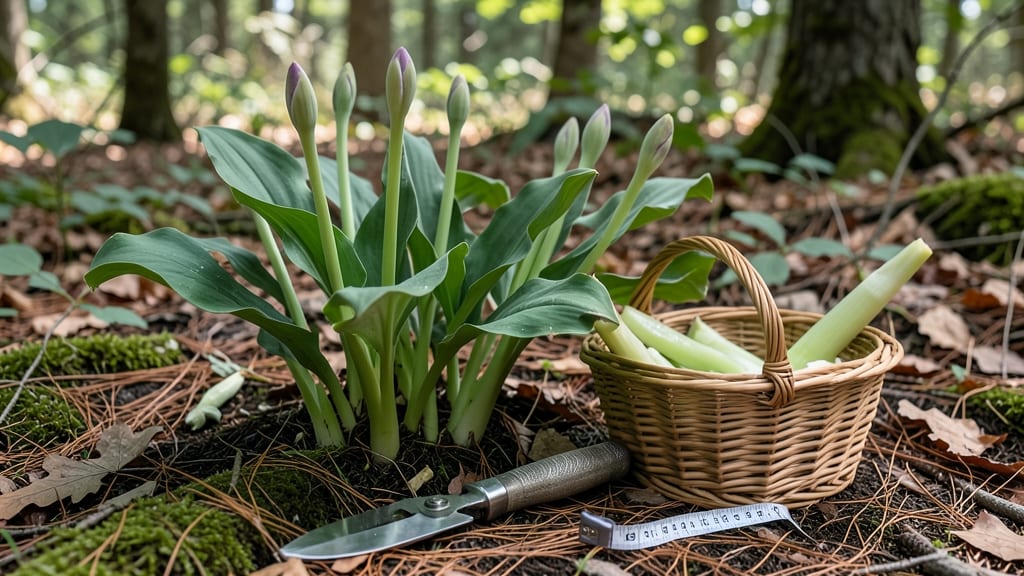
Harvesting scapes from your 🧄 garlic at the right moment ensures you get tender greens and a bigger bulb next year—but miss the window, and you risk stunted growth or wasted flavor.
Most gardeners wait until the scape curls into a tight S-shape, usually between 8 and 12 inches long, with firm stems that snap cleanly. But timing isn’t just about size—it’s also about the plant’s energy reserves and your local climate.
In USDA Zone 6a, like much of the Midwest, the ideal window opens in late May or early June, just as the plant shifts from leafy growth to bulb development. Too early, and you’ll stunt regrowth; too late, and the bulb suffers.
Below, I’ll walk you through the exact visual cues, regional adjustments, and post-harvest care to keep your garlic thriving for years to come.
The exact 3-Year growth cycle for scaping garlic (with visual triggers)
Understanding the 3-year growth cycle of garlic is key to harvesting scapes at the perfect moment. Each year brings distinct visual cues that signal when to act. In Year 1, your garlic focuses on establishing roots and small bulbs, while Year 2 introduces the first scape opportunities.
By Year 3, your plants reach peak productivity—if you time your harvests correctly. Missing these cues can mean smaller bulbs or wasted scapes.
Garlic scapes emerge in late spring (typically May-June in most USDA zones) as a curly, green stalk. This is your plant’s way of redirecting energy toward flowering—energy you can harvest instead for bigger bulbs.
The trick lies in recognizing the optimal curl stage, where the scape forms a tight spiral but hasn’t yet straightened or flowered. This balance ensures your garlic keeps growing strong for bulb development.
Visual triggers are your best friends here. Look for a scape that’s 8-12 inches long, curled into a loose "S" or spiral shape, and still firm to the touch. If you wait too long, the scape will straighten out, and your garlic will divert energy to seed production instead of bulb growth. Harvesting too early, however, can stunt the plant’s ability to recover and produce a quality bulb.
| Growth Stage | Visual Cues for Scaping | Optimal Harvest Time | Year |
|---|---|---|---|
| Year 1 | No scapes appear; focus on leaf growth (12-18 inches tall by summer). | N/A | 1 |
| Year 2 | Scape emerges as a tight curl (6-10 inches). Leaves remain green and healthy. | Late May to early June | 2 |
| Year 3 | Scape curls into a spiral (8-12 inches). Stem is firm but flexible. | Mid-May to late June | 3 |
| Post-Harvest | Leaves yellow slightly but stay mostly green. New growth appears within 2-3 weeks. | Within 2 weeks of harvest | All Years |
In Year 1, your garlic plants are still building their foundation. You won’t see scapes this year—their energy goes into developing a small bulb and strong root system.
This is the year to focus on soil health and proper spacing, ensuring your cloves have room to grow without competing. Mulch heavily in late fall to protect them through winter, as cold hardiness is critical for survival.
By Year 2, your garlic is ready for its first scape harvest. Look for the stalk to curl into a loose "S" shape, typically around 6-10 inches long. This is the ideal time to harvest—cut just above the first few leaves to avoid damaging the plant.
After harvesting, your garlic will redirect energy back into bulb development, often resulting in larger cloves than if you’d let it flower. Just be sure to fertilize lightly with a balanced 10-10-10 mix 2-3 weeks after harvesting to support regrowth.
Year 3 is when your garlic truly shines. Scapes will appear earlier and more vigorously, often curling into tighter spirals. The key here is to harvest when the scape is 8-12 inches long and still in its tightest curl.
If you miss this window, the scape will straighten out, and your garlic’s energy will shift toward seed production, reducing bulb size. In my garden, I’ve found that harvesting scapes in mid-May (Zone 6a) gives me the best balance between scape quality and bulb growth.
After harvesting, your garlic will send out new leaves within 2-3 weeks. This is a sign that the plant is redirecting energy back into bulb development. To maximize this regrowth, water deeply once a week and avoid heavy fertilization.
Over-fertilizing at this stage can lead to leafy growth at the expense of bulb size. Instead, focus on moderate moisture and full sun exposure to encourage strong bulb formation.
One common mistake I see is waiting until the scape straightens out before harvesting. By then, the garlic has already shifted its energy toward flowering, and your bulbs will be smaller.
Another pitfall is harvesting scapes that are too short or too soft—these won’t provide enough flavor and may stress the plant. Always aim for that firm, curled scape between 8-12 inches for the best results.
Regional differences also play a role in timing. In cooler climates (Zones 3-5), scapes may appear 2-3 weeks later than in warmer zones. Pay attention to your local frost dates and adjust accordingly.
For example, if your last frost is in mid-April, plan to harvest scapes in early to mid-June to avoid stressing the plant before winter.
Finally, remember that scaping garlic is a sustainable practice that can extend your harvest for years. By following this 3-year cycle and respecting the visual triggers, you’ll enjoy flavorful
How to identify overdue vs. early scaping (common mistakes that kill your garlic)
Harvesting garlic scapes too early can stunt your plant’s regrowth, while waiting too long reduces bulb size and flavor. The key lies in watching for three critical visual cues: stalk curvature, leaf color, and stem thickness. I’ve learned the hard way—skipping these signs can mean sacrificing next year’s harvest.
Most gardeners focus on the curled scape as the primary signal, but the leaves and stalk thickness tell the full story. In my USDA Zone 6a garden, I’ve seen plants with perfect curls but weak bulbs because I ignored the other warning signs.
Let’s break down how to spot these mistakes before it’s too late.
⚠️ Warning: Harvesting Too Early or Late
- Too Early: Straight scapes (<6") or soft stems → stunts regrowth 🌱
- Too Late: Yellowing leaves or thick, woody stalks → weak bulbs 🌿
- Climate Note: Warmer zones (7+) harvest 2-3 weeks earlier than Zone 6a ☀️
If you harvest when the scape is still straight and under 6 inches, your garlic plant will struggle to recover. I once cut mine at 4 inches—big mistake! The leaves wilted, and the bulb barely grew. The plant’s energy is still focused on leaf growth, not bulb development.
On the flip side, waiting until the scape becomes thick and woody> (like a pencil) means the plant has already diverted energy to the bulb. This year, I noticed my scapes had turned brown at the base—a sure sign of delayed harvesting.
The bulbs were smaller, and the flavor was milder.
Leaf color is another game-changer. Healthy leaves below the scape should stay deep green. If they yellow or brown, it’s a sign of stress—either from too-early harvesting or drought. In my garden, I’ve seen leaves turn purple-tinged in hot summers, which also signals the plant is struggling.
Environmental factors matter too. In cooler climates (Zones 3-5), scapes mature slower—wait until late June. Meanwhile, in warmer zones (7+), > harvest in early May.
Last year, my neighbor in Zone 8 harvested in April, while I waited until May in Zone 6a. Their scapes were perfect; mine were still curling.
To avoid these mistakes, check your scapes weekly in spring. Use your fingers to test stem firmness—it should snap cleanly when ready. If it bends like a reed, wait a few days. With practice, you’ll spot the perfect moment every time—and keep your garlic thriving for years. 🌱