
How To
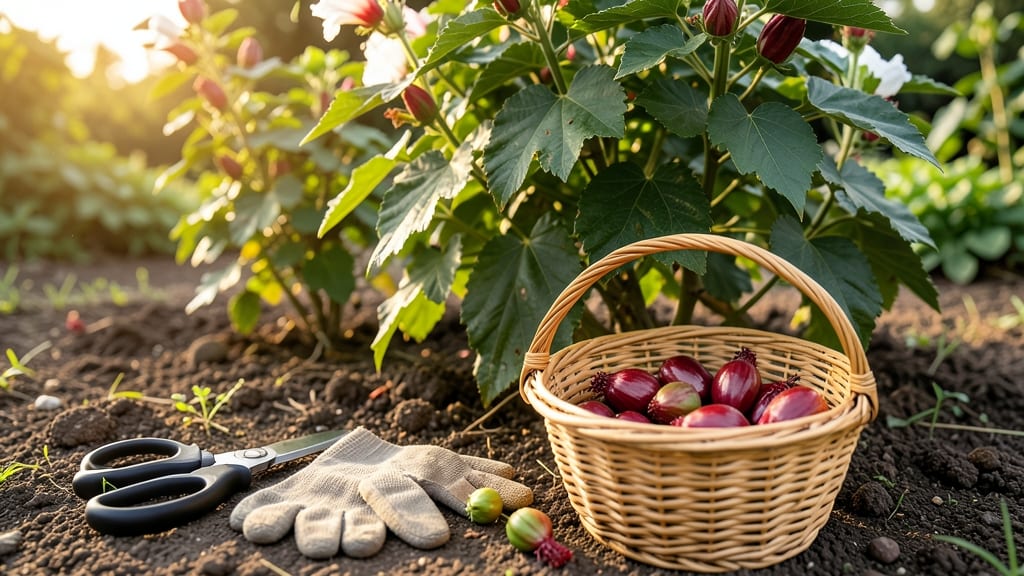
Harvesting roselle at the right time means catching those deep red calyces 🌿 just as they crack open, revealing golden seeds—any later and you risk losing flavor or yield.
I’ve watched my roselle plants go from lush green to a stunning crimson in just two weeks, and missing that window means bitter pods or scattered seeds. The key is spotting those visual cues: firm, maroon calyces around 2-3 inches wide that snap cleanly at the stem.
But timing isn’t just about color—it’s also about your climate. In USDA Zone 6a, the harvest window stretches from August to October, but a late frost can cut it short. Even the intended use matters: young pods for tea, mature ones for seeds or fiber.
Below, I’ll walk you through how to read your roselle’s signals, adjust for regional differences, and store your harvest so every calyx delivers the best flavor or texture—no wasted effort.
Visual clues to identify the perfect roselle harvest time
Harvesting roselle at the right moment transforms your crop from mediocre to exceptional. The key lies in observing physical cues like pod color and texture changes, which signal peak flavor and quality.
For tea lovers, harvesting too late means bitter pods, while harvesting too early for seeds results in poor germination. Let’s break down the visual and environmental clues that guarantee a perfect harvest.
First, focus on the calyx color, which shifts from green to a vibrant deep red or maroon when ready. This color change indicates the pods have reached their ideal sugar content for tea-making. For seed harvests, wait until the calyx turns golden-brown and begins to crack open naturally.
The texture also matters—firm pods that resist slight pressure are ready, while soft or mushy ones should be left on the plant.
| Harvest Stage | Calyx Color | Texture | Seed Visibility | Best For |
|---|---|---|---|---|
| Early (Not Ready) | Green | Soft | None | None |
| Ideal (Tea) | Deep red/maroon | Firm | Hidden | Tea |
| Mature (Seeds) | Golden-brown | Dry/cracked | Visible | Seeds/Fiber |
| Overripe | Brown/dry | Brittle | Scattered | Unusable |
Environmental factors also play a crucial role in determining the perfect harvest window. Roselle thrives in warm temperatures between 70-85°F (21-29°C), so aim to harvest during these conditions. High humidity levels can accelerate pod ripening, while dry spells may slow it down.
Pay attention to your local climate—frost risk is a major concern, as even light frost can damage unharvested pods.
Another key indicator is the pod size. For tea, harvest when calyces reach 2-3 inches in diameter. For seeds, wait until they’re 3-4 inches wide and naturally cracking open.
Measure pods with your thumb—if they fit snugly between your thumb and index finger, they’re likely ready. This simple trick saves time and ensures consistency across your harvest.
Don’t overlook the stem attachment either. A ready-to-harvest calyx will detach cleanly with a gentle twist or snip. If the stem resists, the pod needs more time on the plant.
For fiber extraction, harvest when pods are fully mature but before they shatter—this maximizes the long, silky fibers inside. Use clean, sharp pruning shears to avoid damaging the plant.
Regional variations matter too. In warmer climates like Florida or California, roselle may ripen faster, often by late summer. In cooler zones like USDA Zone 6 or colder, harvest may extend into early fall.
Always monitor your plants closely, as local microclimates can shift ripening timelines by weeks. Adjust your schedule accordingly to avoid missing the window.
Finally, consider your harvest frequency. Roselle plants produce continuous blooms, so check pods every 2-3 days during peak season. Early morning harvests yield the freshest pods, as dew can dilute flavors if harvested later in the day.
Store harvested pods in a cool, dry place for up to a week, or process them immediately for the best results.
Mastering these visual and environmental cues ensures your roselle harvest delivers maximum flavor, texture, and yield. Whether you’re brewing tea, saving seeds, or extracting fiber, timing is everything. Start observing your plants now—your perfect harvest is just around the corner! 🌿✂️🍃
Harvesting roselle by purpose: tea vs seeds vs fiber
Roselle’s versatility means harvesting at the wrong stage can turn your tea harvest bitter or your seed yield sparse. For hibiscus tea, I pluck calyces when they’re still greenish-red and firm—about 1.5 inches wide.
This stage locks in the tart, cranberry-like flavor perfect for brewing. Wait too long, and the pods develop a harsh, astringent taste that ruins the tea experience.
If you’re after roselle seeds, patience is key. Let the calyces mature until they turn deep maroon and begin cracking open naturally. At this point, the golden seeds inside are plump and ready for drying.
Harvesting too early means underdeveloped seeds, while waiting too long risks them scattering across your garden bed.
For fiber extraction, focus on the stem and leaf stalks once the plant reaches 4-5 feet tall and the main stalk turns woody. The best time is late in the season when the plant’s energy shifts from flowering to seed production.
Use a pruning saw to cut the stalks at the base, then soak them in water for 3-5 days to soften the fibers before processing.
Harvest Timing for Roselle by Purpose
For Tea
- ✅ Color: Greenish-red
- ✅ Size: 1.5–2 inches
- ✅ Texture: Firm, closed
- ✅ Flavor: Tart, sweet
⚠️ Risk: Overripe pods taste bitter
For Seeds
- ✅ Color: Deep maroon
- ✅ Size: 2–3 inches
- ✅ Texture: Cracking open
- ✅ Seeds: Golden, plump
⚠️ Risk: Seeds scatter if left too long
For Fiber
- ✅ Stalk Height: 4–5 feet
- ✅ Stalk Condition: Woody
- ✅ Stage: Late season
- ✅ Processing: Soak 3–5 days
⚠️ Risk: Green stalks yield weak fiber
To harvest for tea leaves, I use clean scissors or pruning shears to snip the calyces just above a leaf node. Always leave at least two calyces per stem to encourage continued growth. For seed harvesting, twist the mature calyces gently until they detach—this avoids damaging the plant.
Store them in a paper bag in a cool, dry place for 2-3 days to dry before removing the seeds.
When extracting fiber, bundle the woody stalks and soak them in water for 3-5 days to break down the pectin. After soaking, scrape off the outer bark and beat the fibers with a mallet until they separate into long, silky strands.
Rinse thoroughly to remove any remaining debris before hanging them to dry in the sun.
Regional differences matter too. In warmer climates like Florida or California, roselle may mature faster, so check pods every 3-4 days. In cooler areas like Zone 6a, a late frost can cut the harvest short—always monitor weather forecasts and bring in your plants if frost is predicted.