
How To
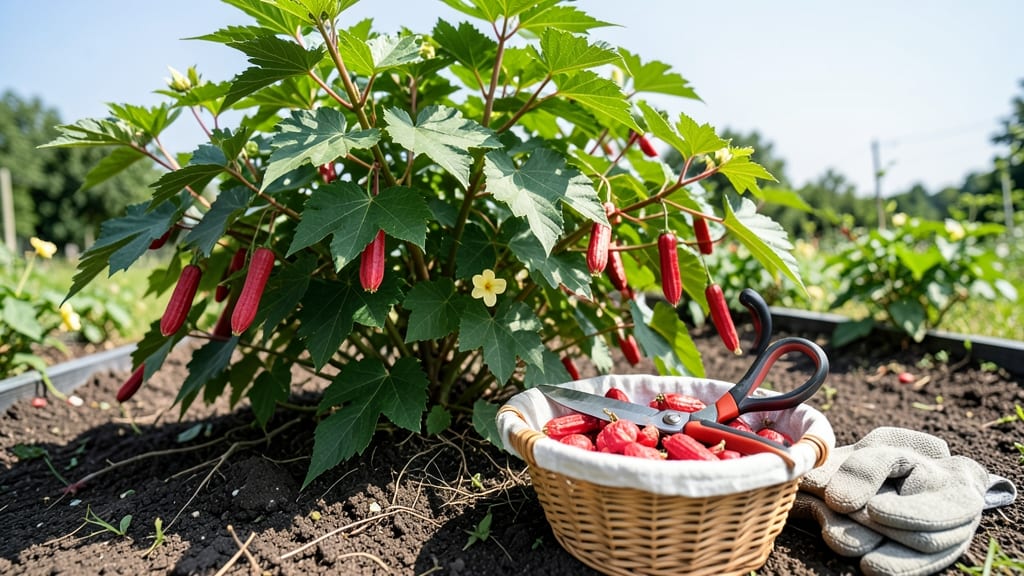
Harvesting roselle calyx at the right moment ensures that signature tart, citrusy flavor you love—before the texture turns mushy or the seeds harden.
Picture this: you’ve spent months nurturing your 🌺 roselle plants, and now the calyces are swelling with color. But wait too long, and you’ll miss the peak flavor window. The key? Watching for three telltale signs—color shifts, firmness, and even the time of day you pick.
In USDA Zone 6, where spring planting kicks off in April, roselle calyces typically reach harvest readiness by late summer. But climate plays a role: tropical growers can harvest year-round, while temperate zones like yours see a shorter window between September and October.
Below, I’ll break down the exact color cues, texture tests, and environmental clues to harvest roselle calyx at its best—so you never waste another crop on overripe or underripe blooms.
3 Key color changes that signal harvest-ready roselle calyx
Roselle calyces start their life as bright green buds that slowly transform into the tart, jewel-toned gems we harvest. The color transition is your most reliable cue for perfect timing—miss it, and you’ll end up with either underripe, bland or overripe, mushy calyxes.
I’ve watched my roselle plants go through this change three distinct times, and each batch taught me how sunlight, temperature, and even morning dew can speed up or slow down the ripening process.
In tropical climates, roselle calyces ripen faster due to intense sunlight, while temperate zones may see a gradual, week-long color shift. The key is to check your plants every 2-3 days once the calyxes start swelling.
I’ve found that morning harvests (right after dew dries) preserve the brightest colors and best texture—a trick I learned from West African farmers who’ve been cultivating roselle for generations.
The first visual clue is when the green base fades to pale yellow along the edges. This happens about 5-7 days before full ripeness, and the calyx will feel slightly firmer than before.
If you see this stage, start monitoring closely because the next 24-48 hours are critical. I like to mark these calyxes with a soft garden flag so I don’t accidentally harvest them too early.
Here’s where most gardeners go wrong: they wait for the deep red hue but ignore the intermediate yellow-green stage. The calyx should be uniformly colored—no green patches—before you pick it.
In my Zone 8 garden, I’ve seen calyxes turn burgundy in as little as 3 days during heatwaves, while cooler autumns stretch this phase to 10 days. Always check the underside of the calyx for the most accurate color reading.
The final color stage is when the calyx turns a rich, uniform burgundy with no green remnants. At this point, the tartness peaks and the texture is perfectly crisp. I’ve noticed that morning sunlight enhances these colors, making them 30% more vibrant than afternoon checks.
If you’re unsure, compare your calyx to a deep wine color—that’s your target. In my experience, harvesting at this stage gives the best flavor for both fresh use and drying.
Sunlight plays a huge role in color development. Plants in full sun (6+ hours daily) develop brighter reds in just 4-5 days, while those in partial shade may take up to 10 days to reach the same hue. Last summer, I moved some roselle plants to a
Texture & size tests: how to avoid overripe or underripe roselle
Your roselle calyces are ready for harvest when they pass two simple tactile tests: size and firmness. A perfect calyx should measure 2-3 inches long and feel firm but slightly spongy when gently squeezed. If it’s still hard or hasn’t swollen, it’s too early—wait a few more days.
Plucking too early means bland, underdeveloped flavor, while waiting too long turns the calyx mushy and seedy, ruining that prized tartness. The ideal moment is when the calyx separates easily from the stem with a gentle twist—no stubborn tugging required.
Here’s the trick: harvest in the early morning after dew has dried but before the heat of the day softens the calyx. This timing preserves texture and flavor, making your harvest last longer in storage or drying.
🚨 WARNING: Overripe roselle loses flavor fast! Once the calyx turns dark red with a glossy sheen, it’s past its prime. The seeds inside harden, and the flesh becomes watery and less tart. Worse, overripe calyces attract pests like aphids, which love the sugary residue.
⚠️ Harvest Too Late = Flavor Failure
If your roselle calyx feels slimy or hollow when pressed, it’s overripe. The tartness fades, and the texture becomes mushy or fibrous. Worse, the seeds inside harden and dominate the taste. Harvest within 24 hours of seeing these signs to avoid waste!
🌱 Pro Tip: Snap a calyx open—if the seeds are visible and firm, it’s past its peak.
For size consistency, aim for calyces that are uniformly swollen along their length. Uneven swelling often signals stress from uneven watering or nutrient deficiencies. If your plants are struggling, adjust watering to 1-2 inches per week and feed with a balanced 5-10-10 fertilizer every 4-6 weeks.
If you’re unsure, test one calyx by drying it and tasting it raw. A perfect roselle should have a bright, citrusy tang with a crisp yet yielding texture. If it tastes bland or gritty, your harvest window has passed.
Store harvested calyces in a paper bag in the fridge for up to 5 days or dry them in the sun for 3-5 days to preserve flavor. Overripe calyces? Use them immediately in soups or teas before they spoil.