
How To
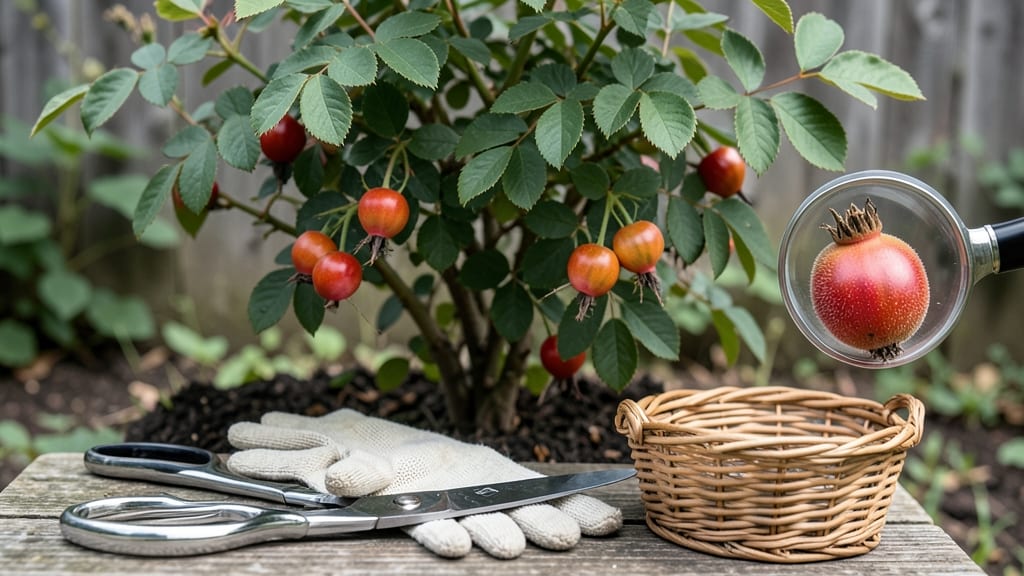
Harvest rosehips when they turn bright red-orange 🌹 and feel slightly soft to the touch—this is the sweet spot for peak vitamin C and flavor.
But here’s the catch: timing is everything. Pick them too early, and they’re bitter and underripe; leave them too long, and they shrivel or drop to the ground. The color shift isn’t the only clue—seed maturity and seasonal triggers play a role, too.
Whether you’re making rosehip tea, jam, or supplements, knowing the exact moment to harvest ensures you get the most out of these nutrient-packed fruits. I’ll break down the color cues, seed tests, and climate factors so you never miss the window again.
Ready to turn your garden’s rosehips into a pantry staple? Let’s dive into the signs that tell you it’s finally time to harvest.
How to identify the perfect rosehip harvest color shift
Rosehips go through a dramatic color transformation from green to vibrant red-orange, signaling their ripeness. This shift isn’t just about aesthetics—it’s your cue that the nutrient density, particularly vitamin C, has peaked.
Understanding these stages helps you harvest at the optimal moment, whether you’re making tea, jam, or supplements.
The color progression happens in three distinct stages, each with unique characteristics. First, the hips start green and firm, then transition to a pale yellow or light orange, and finally mature into their signature deep red-orange.
Missing any stage can mean bitter flavors or lower nutritional value, so pay close attention to these visual clues.
Sunlight exposure plays a critical role in this process. Roses in full sun (6+ hours daily) develop richer colors faster than those in shade. For example, my Rosa rugosa plants in Zone 6a turn orange by early October, while shaded varieties linger in yellow until November.
Regional variations also matter—cooler climates may delay ripening by weeks.
Here’s the key visual guide to track the color shift and determine the perfect harvest window:
The deep red-orange stage is your golden ticket for harvesting. At this point, the hips are slightly soft when gently squeezed (like a ripe tomato), and the seeds inside are fully formed.
This stage typically arrives 4-6 weeks after flowering, depending on your climate. In cooler regions, a light frost can even enhance sweetness and deepen the color.
Regional variations can shift this timeline. For example, in Southern California, rosehips may ripen as early as August, while in New England, they often wait until October or November.
Always monitor your local first frost date—a light freeze can signal peak ripeness, but avoid harvesting after heavy frost, as it can cause the hips to split or rot.
Sunlight exposure doesn’t just affect color—it also influences nutrient density. Roses grown in full sun produce hips with 20-30% more vitamin C than those in partial shade. If your plants are in a shady spot, expect a slower color shift and lower potency.
To boost ripening, prune nearby trees or relocate potted roses to sunnier locations by mid-summer.
Timing your harvest correctly also prevents nutrient loss. Overripe rosehips lose flavor and vitamin content quickly, while underripe ones are bitter and astringent. The 3-stage color progression ensures you catch them at their prime.
For example, my Rosa canina hips turn orange by mid-September in Zone 7b, and I harvest them within 3-5 days of full color to lock in freshness.
Don’t forget to check for uniform color across the plant. Some hips may ripen faster than others, especially if the plant receives uneven sunlight. Harvest the ripest hips first, leaving the rest to mature.
This staggered approach ensures you have a steady supply for preserves, teas, or supplements throughout the season.
Once you’ve identified the perfect red-orange hue, it’s time to act fast. Store freshly picked rosehips in the fridge for up to 2 weeks or freeze them for long-term use. Proper storage preserves their vitamin C and flavor, making them ready for your next culinary or medicinal project.
Mastering the color shift turns rosehip harvesting from guesswork into a precise, rewarding process. With these visual cues and timing tips, you’ll never miss the window again—just imagine the nutrient-packed teas and jams you’ll create! 🌹
Seed maturity cues: the hidden signs your rosehips are ready
Don’t rely solely on color to judge rosehip maturity—seed development is the real indicator of peak harvest time. While the bright red-orange hue signals ripeness, the seeds inside tell the full story.
When seeds reach the right firmness and separation, that’s your cue to pick. I’ve learned the hard way that ignoring these cues means bitter, underripe hips or wasted effort on overripe ones.
Start by examining the seed capsule inside each rosehip. A mature seed should feel firm but not rock-hard, with a slight give when pressed gently. If it’s too soft or mushy, the hip has overripe; if it’s hard as a pebble, it’s not ready.
This squeezing test is non-negotiable for optimal flavor and nutrient density.
- 🌱 Seed Firmness Test: Gently squeeze the rosehip—seeds should feel firm with slight resistance. If they crumble, harvest now.
- 🌿 Capsule Separation: Open a ripe rosehip—seeds should separate cleanly from the flesh. If they stick together, wait 3-5 days.
- ✂️ Premature Drop Check: If hips fall before seeds mature, prune nearby branches to improve airflow and reduce fungal pressure.
- 🌡️ Climate Adjustments: In hot climates, seeds mature faster—harvest 1-2 weeks earlier. In cool regions, wait until after the first frost.
Climate plays a surprising role in seed development. In warmer regions, rosehips ripen faster, and seeds may mature in as little as 10-12 weeks after flowering. But in cooler climates, the process stretches to 14-16 weeks, often requiring a light frost to trigger full ripening.
I’ve seen hips in my Zone 6a garden hold firm until late October, while friends in Zone 9 harvest as early as September.
Watch for premature seed drop, a common issue caused by overcrowded branches or fungal diseases like black spot. If you notice hips detaching before seeds mature, thin out the foliage or apply a copper fungicide spray to protect future crops.
This is especially critical for organic growers, where chemical solutions aren’t an option.
Pro tip: Harvest on a dry morning after the dew has evaporated. This minimizes moisture buildup, which can accelerate seed spoilage. Store picked hips in a paper bag in the fridge for up to 2 weeks, or freeze them for long-term use.
Proper storage preserves their vitamin C content and prevents seed degradation.
Remember, the squeezing test is your best friend. When seeds pass with flying colors—and the hips are that perfect deep red-orange—you’ve got a harvest worthy of tea, jam, or supplements. Don’t wait too long, or you’ll be left with shriveled, flavorless remnants. 🌹