
How To
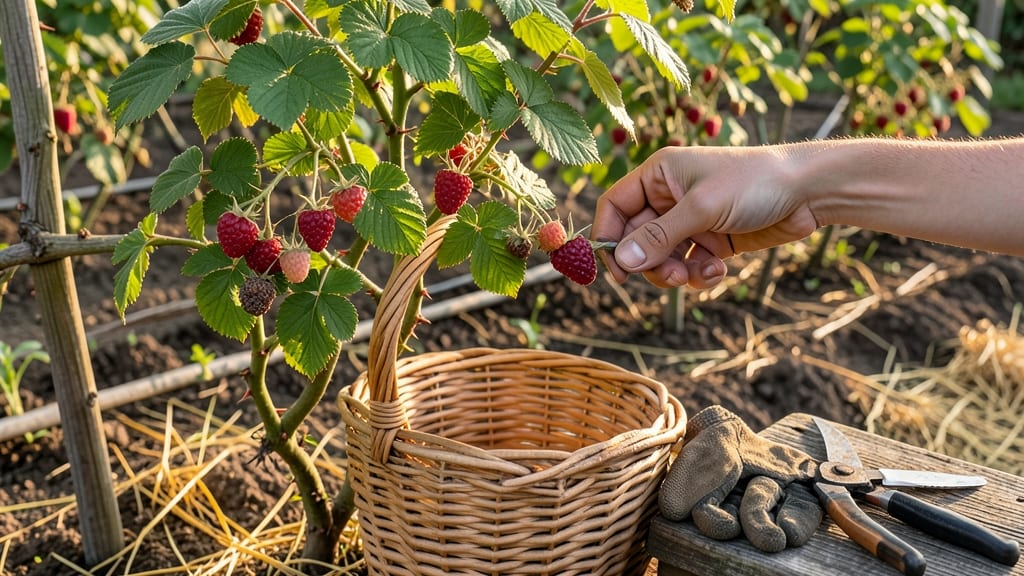
Harvesting raspberries at the right time means the difference between bursting sweetness and bland, mealy berries that fall apart.
Picture this: you’ve spent months tending to your 🍇 bushes, and now the moment is here. But how do you know when those deep red (or black, purple, or yellow, depending on your variety) berries are truly ready?
Pick too early, and you’ll miss out on peak flavor. Wait too long, and they’ll turn to mush in your hand.
Timing isn’t just about color—it’s about firmness, touch, and even the time of day. A gentle tug test can tell you everything you need to know, while regional differences mean your neighbors’ bushes might be ready weeks before yours.
Below, I’ll walk you through the exact cues to look for, plus how to adjust for early or late varieties.
By the end, you’ll never second-guess when to pluck another perfect berry—just sweet, juicy raspberries every time.
How to tell when raspberries are perfectly ripe (color + touch test)
Raspberries are at their sweetest when harvested at peak ripeness, but many gardeners struggle to distinguish between perfectly ripe and underripe berries. The key lies in combining visual cues with a simple touch test.
Ignoring these signs often leads to mealy, tart fruit—or worse, berries that fall apart before you even pick them.
Don’t rely solely on color—some varieties like Boyne Gold ripen to a bright yellow, while Heritage turns deep purple. Instead, focus on a combination of berry color intensity, firmness, and how easily they detach from the plant.
Mastering these techniques ensures you’ll always pick raspberries when they’re bursting with flavor.
⚠️ Pro Tip: Harvest in the morning after dew has evaporated. Berries are cooler and firmer, making it easier to judge ripeness accurately.
Start by examining the color of your raspberries. A perfectly ripe berry will have a deep, uniform hue—whether it’s the classic red of Heritage, the golden yellow of Boyne Gold, or the deep purple of Black Hawk.
If the color is patchy or pale, the berry needs more time on the vine.
Next, perform the touch test: Gently squeeze the berry between your thumb and forefinger. A ripe raspberry should feel plump and slightly yielding, almost like pressing a ripe peach.
If it’s rock-hard, it’s underripe. If it’s mushy or squishes easily, it’s past its prime and best used immediately or frozen.
Here’s where many gardeners go wrong
Best time of day and season to harvest raspberries for maximum sweetness
Timing your raspberry harvest isn't just about picking ripe fruit—it's about unlocking their full sweetness potential. The morning hours (right after dew dries) are ideal because berries have absorbed overnight moisture, making them juicier.
But if you miss morning, late afternoon still works—just avoid midday heat, which can concentrate sugars too quickly and make berries overripe faster.
Seasonal timing varies by USDA zone and raspberry variety. Summer-bearing types (like Heritage or Boyne) produce one big crop in late summer, while ever-bearing varieties (like Carolina Gold) give two harvests: early summer and fall.
In Zones 5-7, expect peak harvests from July to September, while warmer zones (8-10) can stretch harvests into October or November.
For early-season varieties, like Boyne Gold, start harvesting as soon as berries turn fully colored (usually June in warm zones). Late varieties, such as Nova, may not ripen until September.
If you're in a shorter growing season, prioritize harvesting early to extend the season—overripe berries attract pests and birds, reducing your yield.
Pro tip: If you can't harvest in the morning, pick in the late afternoon (after 4 PM) when temperatures drop. This prevents sunburn on exposed berries and preserves their bright color and texture.
Always use clean harvesting tools (scissors or gloved hands) to avoid spreading diseases like botrytis, which thrives in warm, humid conditions.
Adjust your harvest schedule based on weather forecasts. A hot spell can cause berries to ripen 2-3 days faster, while cool, cloudy weather slows ripening. If rain is forecasted, harvest ahead of time—wet berries are harder to pick cleanly and may develop fungal spots.
Once you master these timing tips, you'll enjoy raspberries at their sweetest, with fewer seeds and better texture. The key is consistency: check your plants daily during peak season and harvest every 2-3 days to keep production strong. Your taste buds (and your neighbors!) will thank you.