
How To
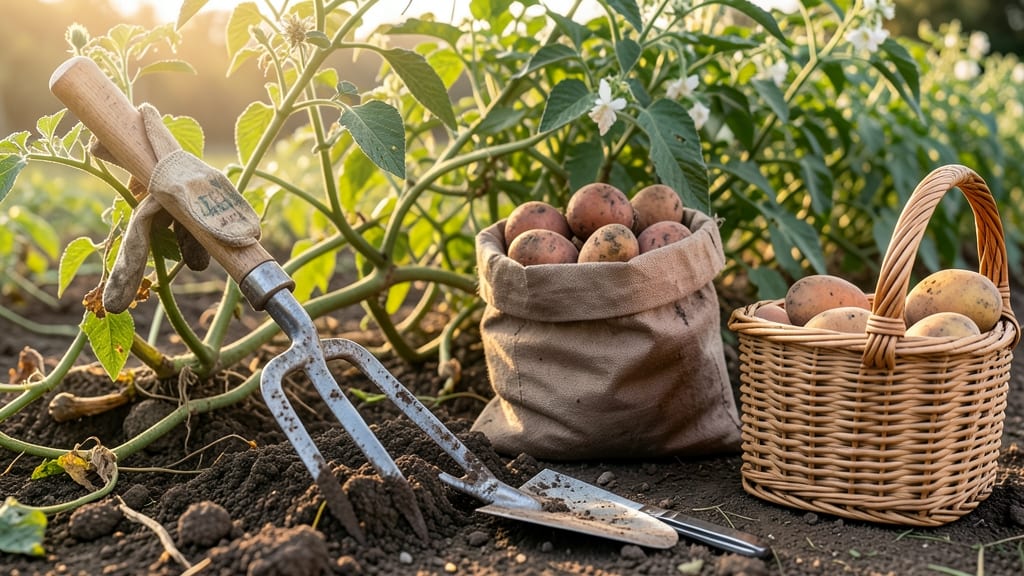
Harvesting potatoes in Idaho at the right time means the difference between fluffy, mealy spuds and firm, flavorful ones straight from the ground.
Picture this: you’ve spent months nurturing your 🥔 patch, only to dig up tubers that are either too small or already sprouting. The key? Watching for those yellowing leaves and firm skin—signs your potatoes are ready to pull before the first frost hits.
Idaho’s USDA Zones 4-7 and variable frost dates (mid-April to early May for planting, mid-October for harvest) mean timing matters even more than in warmer climates. Early varieties can be ready as early as July, while late-season types may need to wait until October.
Below, I’ll walk you through the exact visual cues to look for, how to adjust for your specific microclimate, and the one mistake that ruins potatoes faster than anything else—so you can dig with confidence every season.
Idaho potato harvest timeline: when to dig based on variety and climate zones
Timing your potato harvest in Idaho depends on variety maturity and microclimate conditions. The state’s USDA Zones 4-7 create unique growing windows, especially when accounting for elevation differences between the Snake River Plain and mountainous regions.
Early varieties in lowland areas may be ready by late July, while high-elevation plantings could extend into October.
Idaho’s cool nights and warm days create ideal conditions for potato development, but premature frost in Zone 4 areas (like northern Idaho) can ruin crops if you wait too long.
Meanwhile, Zone 7 regions (like Boise) often enjoy extended harvest windows. Understanding these variations ensures you dig potatoes at their peak flavor and texture.
Here’s how to align your harvest timing with Idaho’s diverse growing conditions:
| Variety Type | Harvest Window (Idaho) | Key Signs | Elevation Adjustments |
|---|---|---|---|
| Early (60-90 days) | Late July - Early August | Flowers fade, tops yellow | Harvest 1-2 weeks earlier in high elevations (>4,000 ft) |
| Mid-Season (90-110 days) | Early August - Mid-September | Foliage dies back 50% | Lowland areas (3,000-4,000 ft) extend window by 10 days |
| Late (110-130 days) | Mid-September - Early October | Complete foliage death | Mountain regions (>5,000 ft) may need frost protection |
| New Potatoes | June - July (any variety) | Tubers golf-ball sized | Harvest anytime after 60 days |
For early varieties like Red Norland or Yukon Gold, aim to harvest in late July when foliage begins yellowing. These potatoes thrive in Idaho’s cooler spring temperatures and develop best when days start shortening.
In Zone 4 areas, such as Coeur d’Alene, watch for first frost warnings after September 15 to avoid losing your crop.
Mid-season varieties like Kennebec or Russet reach peak harvest in August. These need consistent moisture throughout Idaho’s dry summer months, especially in Zone 6-7 regions like Twin Falls.
If your plants show 50% foliage dieback, it’s time to dig—especially if you’ve had consistent rainfall the past two weeks.
Late varieties, including Fingerlings or Purple Vittoria, should stay in the ground until early October or when foliage is completely dead. In high-elevation areas (above 4,500 feet), like near McCall, consider using row covers to extend the season. These potatoes often develop sweeter flavors when allowed to mature fully in Idaho’s cool nights.
New potatoes can be harvested as early as 60 days after planting, regardless of variety. Look for golf-ball-sized tubers when you gently brush away soil from the plant base.
This is perfect for early summer salads or quick cooking. Just avoid harvesting more than 20% of the crop at once to prevent stress on remaining tubers.
Idaho’s variable microclimates mean you should adjust your harvest timing based on local frost dates. Check the National Weather Service for your specific area—some Zone 4 regions may see frost by September 20, while Zone 7 areas might hold out until October 15.
Always have a backup harvest plan if early frost threatens.
Pro tip: In dry years, Idaho potatoes may need extra irrigation 2-3 weeks before harvest to ensure proper tuber development. Overwatering at harvest time, however, can lead to skin splitting. Aim for 1-2 inches of water per week leading up to digging day.
Remember, harvest timing affects flavor. Early harvests yield waxy, mealy-free potatoes, while late harvests produce starchier, fluffier spuds—ideal for baking. Choose your harvest window based on your culinary goals and Idaho’s ever-changing weather patterns.
5 Visual and physical signs your Idaho potatoes are ready for harvest
Idaho’s cool mountain air and fertile soil create perfect conditions for potatoes—but knowing when to dig is everything. Harvest too early, and you’ll get small, green tubers with bitter flavors. Wait too long, and your spuds turn mealy or sprout in the ground.
Here’s how to spot the perfect harvest window using simple, foolproof signs that work for Idaho’s USDA Zones 4-7.
Unlike warmer climates, Idaho’s shorter growing season means timing matters even more. Early varieties (like Yukon Gold) may be ready by late July, while late-season types (such as Russet Burbank) often wait until early October.
Pay attention to these five key indicators to ensure you dig at the ideal moment, whether you’re in Boise’s Zone 7 or Coeur d’Alene’s Zone 5.
-
1. Foliage Turns Yellow and Dies Back
Look for 70-80% yellowing on leaves and stems. In Idaho’s dry spells, this happens faster—check weekly after July 1st. -
2. Flowers Bloom and Begin to Fade
Most varieties (except new potatoes) signal readiness when flowers wilt. In higher elevations, this may delay harvest by 1-2 weeks. -
3. Tubers Feel Firm When Gently Squeezed
Dig a test tuber—if it’s 1.5–2 inches thick and resists pressure, it’s ready. Thin-skinned tubers mean more time in the ground. -
4. Soil is Dry 1–2 Inches Below Surface
Idaho’s irregular rainfall makes this critical. Use a soil probe—if it’s dry, harvest within 3–5 days to avoid tuber shrinkage. -
5. First Frost is 2–3 Weeks Away
In Zone 4 areas, harvest by mid-September to prevent frost damage. In Zone 7, you may wait until early October.
For new potatoes, harvest when tubers reach golf-ball size (about 60 days after planting). These can be dug before foliage yellows, but wait until the plant has at least 3–4 leaves to ensure tuber formation.
In Idaho’s sandy loam soils, new potatoes often form faster—check every 10–14 days starting in June.
One common mistake Idaho growers make? Overlooking tuber size in favor of foliage color. While yellow leaves are a primary indicator, always dig a test tuber to confirm size. Russet potatoes, for example, need 3–4 inches in diameter for optimal flavor, while fingerling varieties mature smaller.
Adjust your harvest timeline based on your specific potato variety and local microclimate.
Pro tip: Harvest in the morning when soil is cool to prevent bruising. Use a fork or spade to gently loosen soil in a sunny patch—this helps tubers dry faster and reduces disease risk.
In Idaho’s humid fall conditions, avoid leaving harvested potatoes on the soil surface for more than 2–3 hours.
Remember, perfect timing means perfect potatoes. Whether you’re growing early Yukon Golds or late-season Russets, these signs will help you dig at the ideal moment—every time. Happy harvesting! 🥔✂️