
Plants
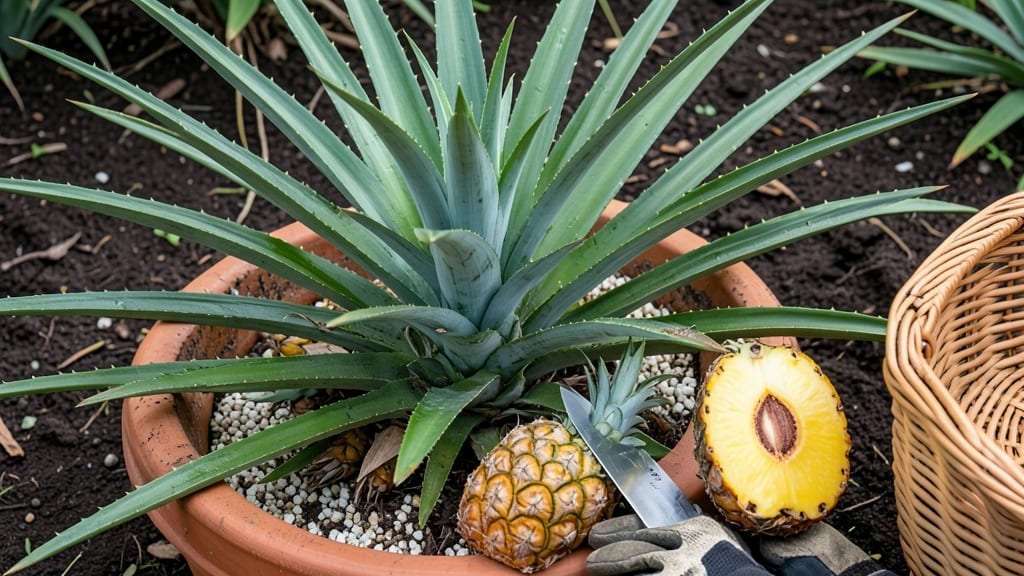
Harvesting a pineapple plant at the right time means the difference between a juicy, sweet reward and a meal of bitter disappointment.
Pineapple plants are a tropical gardener’s pride—but knowing exactly when to harvest can mean the difference between a sweet, juicy reward and a bitter disappointment. Skip the guesswork with these foolproof methods to test ripeness before your plant bolts.
You’ll learn to read the three key signs of readiness: when the fruit’s base turns golden, how to press-test firmness like a ripe peach, and why a sweet aroma at the stem is your green light.
Whether you’re growing your 🍍 in a greenhouse or a warm-climate backyard, these tactile tricks work for both indoor and outdoor plants—no fancy tools required.
3 Tactile tests to determine pineapple ripeness before harvest
Harvesting pineapples at the perfect moment transforms your tropical garden into a sweet, juicy treasure chest. But how do you know when that golden fruit is truly ripe? Unlike grocery store pineapples, homegrown ones rely on tactile cues—not just color.
These three simple tests will help you avoid bitter, underripe fruit or overly mushy overripe disappointments.
First, let’s talk about the leaf color shift. Mature pineapple plants develop a brown, papery base where the fruit meets the leaves. This isn’t just cosmetic—it’s a sign the plant is redirecting energy to ripen the fruit.
Watch for 3-4 dry, crispy leaves at the bottom as your first clue that harvest time is near.
Next, grab your pineapple and perform the weight test. A ripe pineapple should feel heavy for its size, almost like it’s too big for its stem. Gently lift it—if it feels light and hollow, it’s not ready.
This test works because ripe fruit is packed with juice and sugars, making it denser. Pro tip: Compare it to a ripe avocado—similar heft means you’re on the right track.
Now for the most satisfying test: the thump test. Give the pineapple a firm but gentle knock with your knuckles. A ripe pineapple will sound dull and hollow, like a ripe melon.
If it sounds sharp or metallic, it’s still firm and unripe. This test mimics how fruit ripens internally—softening flesh changes the way sound travels through the fruit.
| Test Method | What to Look For | Actionable Step | Ripeness Level |
|---|---|---|---|
| Leaf Color Shift | 3-4 dry, brown leaves at base | Inspect base weekly for drying leaves | 🟡 Ready (but test others) |
| Weight Test | Feels heavy for size | Lift and compare to ripe avocado | 🍑 Ripe (if combined with other tests) |
| Thump Test | Dull, hollow sound when tapped | Knock with knuckles near stem | 🍍 Perfectly ripe |
| Bonus: Aroma Test | Sweet, tropical scent at base | Sniff near fruit-leaf junction | 🌺 Confirms sweetness |
Don’t forget to combine all three tests for the most accurate results. A pineapple might pass the leaf test but fail the thump test if it’s still firm inside.
Conversely, one that’s heavy and dull might not be sweet if the leaves aren’t drying yet. Patience is key—pineapples ripen gradually, and rushing can leave you with a sour or fibrous fruit.
For indoor-grown pineapples, these tests work just as well, though the process may take 6-12 months longer due to limited sunlight. Place your plant near a south-facing window and supplement with a grow light if needed.
The tactile tests remain your best guide, as indoor environments can delay natural ripening cues.
If your pineapple passes all tests but you’re still unsure, harvest it anyway. You can always ripen it further indoors by placing it in a paper bag with a banana (the banana releases ethylene gas, which speeds up ripening).
This works especially well for underripe but promising fruit that’s close to readiness.
Remember, the best time to harvest is when all three tests align—dry leaves, heavy weight, and a dull thump. Once you master these tactile clues, you’ll never second-guess your pineapple harvest again. Now go enjoy that sweet, homegrown victory! 🍍
Signs your pineapple plant is overripe or bolting too soon
Even with perfect care, your pineapple plant might bolt too early, sending up a flower spike before the fruit ripens. This usually happens due to stress from heat, drought, or improper feeding. The key is catching these signs early to salvage your harvest.
Watch for premature leaf browning—especially on the lower leaves. While some natural yellowing occurs as the fruit matures, sudden browning signals stress. Another red flag is hollow fruit when you cut it open, meaning the sugars never fully developed.
If your plant suddenly shoots up a flower stalk (bolting), it’s racing to reproduce before the fruit ripens. This is your plant’s way of saying, "I’m under stress!" Don’t panic—there are ways to slow it down and give the fruit a fighting chance.
⚠️ When to Harvest vs. When to Act
Harvest now: Fruit is fully colored, base is yellow/brown, and leaves at the base are drying.
Act fast: Sudden flower spike, hollow fruit when cut, or leaves browning rapidly—these mean your plant is bolting too soon.
Do this: Prune the flower stalk (if short) and reduce water slightly to slow bolting. Feed with high-potassium fertilizer to redirect energy to the fruit.
To reverse early bolting, prune the flower stalk if it’s still short (under 6 inches). This won’t stop it entirely, but it buys time for the fruit to mature. Pair this with reduced watering—pineapples bolt when they’re thirsty, so cut back to every 10–14 days.
If the fruit is already hollow or underripe, don’t toss it! Place it in a paper bag with a ripe banana for 2–3 days. The banana’s ethylene gas triggers ripening, often improving flavor and texture. Monitor daily for softness.
For future plants, avoid over-fertilizing with nitrogen—it encourages leafy growth at the expense of fruit. Stick to a balanced 6-6-6 or 8-3-9 fertilizer every 6 weeks during the growing season to support sweet, healthy fruit.