
How To
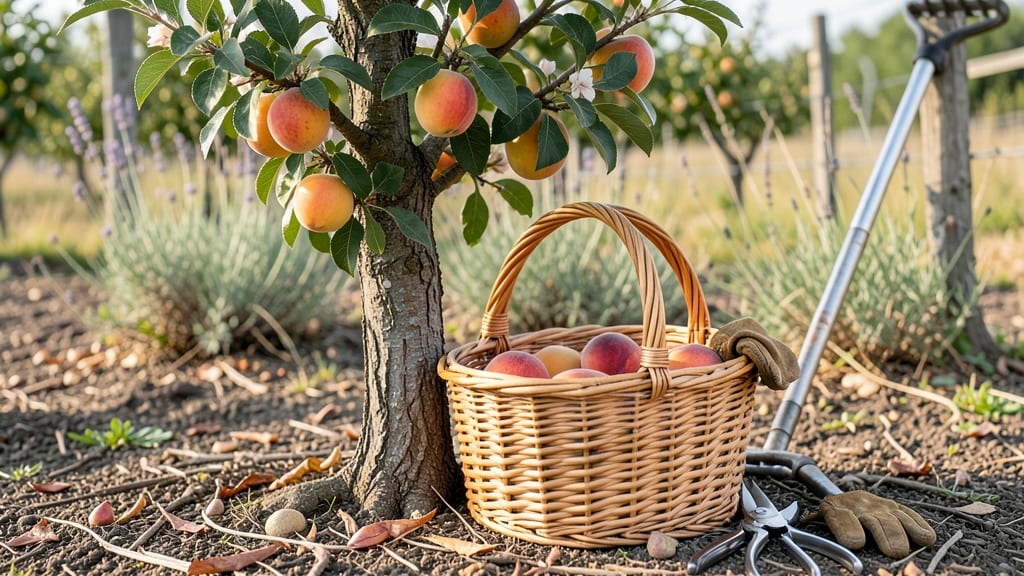
Harvesting nectarines at the right time means catching them at their sweetest, juiciest peak—when the flavor is unmatched and the texture is perfect 🍑.
You’ve spent months nurturing your tree, but one wrong move at harvest can turn that sweet reward into a meal of bland, mealy fruit.
The difference between a perfectly ripe nectarine and one that’s past its prime comes down to a few simple cues—color, firmness, and even scent—that most gardeners miss.
In this guide, I’ll walk you through the exact signs to watch for, from the blush of color that signals ripeness to the gentle give of a ripe fruit.
Whether you’re in USDA Zone 6a or a warmer climate, these tips will help you time your harvest just right—no guesswork, no wasted fruit.
By the end, you’ll know not just when to pick, but how to handle them afterward to keep that fresh-picked flavor for as long as possible.
How to determine nectarine ripeness by firmness, color, and scent
Nectarines are at their peak when they balance sweetness, texture, and aroma—but knowing exactly when to pick can be tricky. Unlike some fruits that ripen off the tree, nectarines must be harvested at the right moment to avoid mealy flesh or underripe tartness.
I’ve learned the hard way that waiting too long means mushy fruit, while picking too early robs you of that juicy perfection we all crave.
Start by checking the color transition. Most nectarines shift from greenish-yellow to a deep golden-orange or bright red blush, depending on the variety. For example, ‘Summer Grand’ turns a vibrant orange, while ‘Fantasia’ develops a striking red hue.
If you still see patches of green, the fruit isn’t ready—those areas won’t soften properly.
A gentle squeeze is your next clue. Press your thumb into the nectarine near the stem. It should yield slightly (like a ripe avocado) but not feel mushy or squishy.
If it’s rock-hard, it’s underripe; if it feels like jelly, it’s overripe and past its prime. This tactile test is my go-to method because it’s foolproof—no guesswork involved.
Scent is the final checkpoint. A ripe nectarine emits a sweet, floral aroma near the stem. If it smells neutral or sour, it’s not ready. Pro tip: Sniff near the fruit’s blossom end (the smaller side opposite the stem)—that’s where the strongest scent develops. This trick works especially well for early-morning harvests when temperatures are cooler and aromas are more pronounced.
| Ripeness Cue | What to Look For | Action |
|---|---|---|
| Color | Fully developed hue (no green) | Harvest if 90%+ colored |
| Firmness | Yields slightly to thumb pressure | Pick when firm but not hard |
| Scent | Sweet, floral aroma near stem | Harvest when fragrant |
| Stem Test | Detaches easily with slight twist | Ready if stem pulls away cleanly |
Don’t overlook the stem test, which is often overlooked but critical. Gently twist the nectarine at its stem—it should detach cleanly without tearing. If it resists or the stem snaps off, the fruit isn’t ripe enough.
This test is especially useful for heirloom varieties like ‘Redgold’, which cling tightly to the tree until fully mature. I’ve found that mature trees (5+ years old) often produce fruit that passes this test earlier than younger trees.
Timing also depends on your climate zone. In warmer regions (USDA Zones 8-10), nectarines ripen earlier (June-July), while cooler zones (6-7) see harvests in late August or September.
For example, my Zone 7 nectarines typically ripen in early September, but a sudden heatwave can push them to maturity 2 weeks early. Always monitor weather forecasts—hot spells accelerate ripening, while cool nights slow it down.
Avoid the mistake of harvesting based on calendar dates alone. Some years, my ‘Suncrest’ nectarines ripen in late July, while others wait until mid-August. Instead, combine all three cues: color, firmness, and scent.
For instance, a nectarine might look ripe but feel hard—this usually means it needs 3-5 more days on the tree. Patience pays off with peak flavor and texture.
If you’re unsure, pick a test fruit and let it ripen indoors. Place it in a paper bag with a banana or apple (ethylene gas speeds up ripening) and check it after 24 hours.
If it softens and develops aroma, the rest of your crop is ready. This method is a lifesaver for late-season varieties like ‘Autumn Grand’, which can be tricky to time perfectly.
Finally, harvest in the morning when temperatures are cool. Nectarines picked in the midday heat can overripen quickly, losing their crispness. Store them in a shady, well-ventilated spot until you’re ready to enjoy them—or eat them straight from the tree for the best flavor.
Best practices for harvesting nectarines without damaging the fruit
Once you’ve identified your nectarines are ripe, the next challenge is picking them without bruising or tearing the delicate skin. A rough harvest can turn your sweet fruit into a mushy mess, so I’ll share my proven techniques for both backyard growers and large-scale orchards.
The right tools and timing make all the difference—especially when dealing with 150-day varieties that need perfect care.
For small backyard harvests, I recommend using a fruit pickers’ pole or a simple pair of pruning shears. These tools give you leverage without damaging the tree or fruit.
If you’re harvesting a large crop, consider a harvesting bag to catch fruit as you work—this prevents bruising from dropping onto hard ground. Always pick on a cool morning when the fruit is firmest and temperatures are mild.
⚠️ Warning: Harvesting Too Early or Too Late
Nectarines harvested before full ripeness will lack sweetness and develop mealy texture. Overripe fruit becomes soft and fermented, losing its vibrant flavor. Always check for full color change and gentle give—never rely on calendar dates alone. In USDA Zone 6a, early frosts can force a harvest before fruit is ready, so monitor weather forecasts closely.
When picking, grasp the nectarine with one hand and twist gently with the other. The fruit should detach cleanly from the stem without tearing. If it resists, it’s not quite ripe—wait another day or two.
Avoid pulling upward, as this can damage the tree’s branches. For dwarf varieties, you can pick by hand, but for taller trees, a harvesting bag or ladder is essential for safety and efficiency.
After harvesting, handle nectarines with care to preserve their quality. Place them in a single layer in a cardboard box or mesh bag—never stack them, as this causes bruising.
Store them in a cool, dark place (around 32–40°F) for short-term storage, or refrigerate to extend shelf life up to 2 weeks. If you’re not eating them immediately, avoid washing until right before use to prevent mold growth.
For large-scale harvests, I recommend working in small batches to avoid overcrowding storage containers. Sort fruit immediately after picking to separate any damaged or underripe specimens. In commercial settings, post-harvest cooling within 24 hours is critical to maintain freshness.
Even backyard growers can benefit from a simple cooling unit or shaded outdoor space to slow ripening.
Finally, don’t forget that nectarines continue to ripen slightly after picking, so you can harvest them a day or two before peak ripeness if needed. This is especially useful for shipping or storing.
Just be sure to let them finish ripening at room temperature before eating. With these techniques, you’ll maximize your harvest’s flavor, texture, and shelf life—no wasted fruit in sight!