
How To
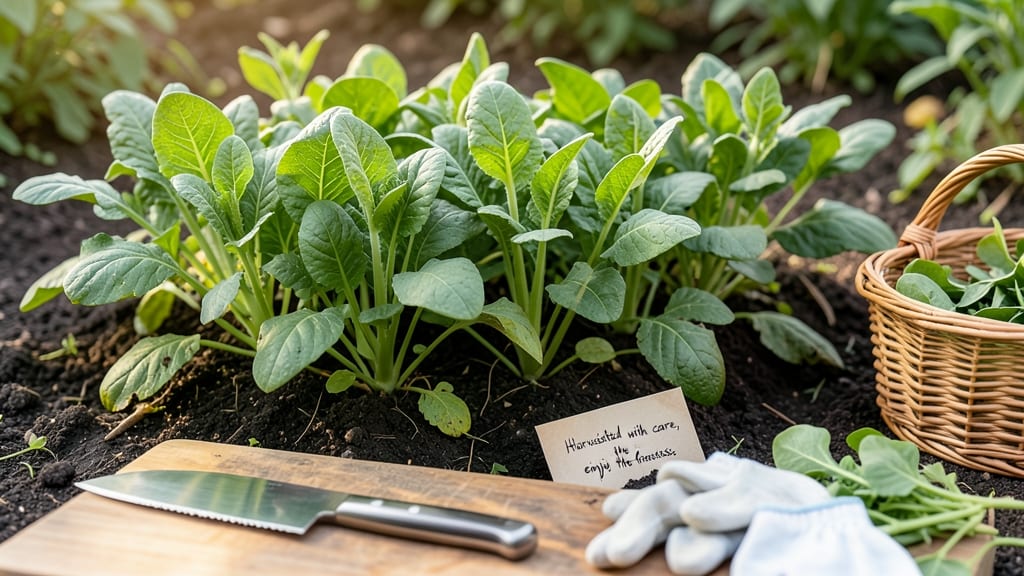
Harvesting mustard greens at the right time means capturing their boldest flavors before they bolt into bitterness.
Picture this: you’ve nurtured your 🌱 mustard greens for weeks, watching them grow from tiny seedlings to vibrant, peppery leaves. But how do you know when to snip them for peak taste? Too early, and the flavor is mild; too late, and you’re left with tough, bitter greens.
The secret lies in leaf size, color, and texture—three simple tests that tell you exactly when to harvest for the best results.
In cooler spring or fall seasons, mustard greens mature faster, giving you a 30–60-day window to perfect your harvest. But heat can speed things up, so timing is everything.
Below, I’ll walk you through the exact cues to look for, plus how to avoid the common pitfalls that turn great greens into garden disappointments.
By the end, you’ll know not just when to harvest, but how—so every bite packs that signature punch without a hint of regret.
3 Leaf tests to determine perfect mustard greens harvest time
Timing your mustard greens harvest is all about balance—you want leaves large enough for bold flavor but not so mature they turn tough or bitter. The key lies in three simple leaf tests that reveal when your greens are at their peak.
These tests focus on size, color, and texture, each offering clear signals that your plants are ready for the kitchen. Mastering these cues ensures you harvest just before bolting transforms your crop into a disappointing, fibrous mess.
I’ve learned the hard way that mustard greens don’t wait for you. One week of neglect can turn those tender, peppery leaves into a tough, bitter challenge. That’s why I rely on these three tests to guide my harvest timing.
Whether you’re growing baby leaves for salads or mature greens for stir-fries, these methods work for every variety. Let’s dive into how to use them to nail the perfect harvest window.
🌱 3 Leaf Tests for Harvesting Mustard Greens
- 📏 Size Test: Leaves should be 4–6 inches long (baby leaves: 2–3 inches). Measure the longest leaf—if it’s shorter, wait a few days.
- 🎨 Color Test: Look for deep green leaves with a slight purple tint at the edges. Avoid pale or yellowing leaves—they’re past their prime.
- ✂️ Texture Test: Gently squeeze a leaf—it should feel crisp but slightly pliable. If it snaps like paper, it’s overripe; if it bends without resistance, harvest now.
Pro Tip: Harvest outer leaves first to encourage regrowth and extend your harvest window by 2–3 weeks.
First up is the size test, my go-to method for consistency. Mustard greens grow quickly, but their ideal harvest size depends on your end use. For baby greens (perfect for salads or garnishes), aim for leaves about 2–3 inches long.
If you’re growing them for cooking, wait until they reach 4–6 inches. I use a simple ruler or even my thumb as a guide—when the leaf spans from my thumb to pinky, it’s usually ready. This test is foolproof because size correlates directly with tenderness.
The color test is where things get interesting. Mustard greens start off bright green but develop deeper hues as they mature. Look for leaves with a rich, glossy green color and a hint of purple along the veins or edges. This color shift signals peak flavor and nutrient density.
Avoid harvesting leaves that are turning yellow or brown—they’re either stressed or bolting. I’ve found that morning light enhances these colors, so I always check my plants first thing in the morning for the most accurate assessment.
Texture is where many gardeners miss the mark. A leaf’s feel can tell you more than its appearance alone. For the perfect harvest, the leaf should be crisp but not brittle. Gently pinch a leaf between your fingers—if it feels slightly resistant but gives way easily, it’s ready.
If it crumbles like dry paper, it’s past its prime. Overripe leaves often have tough, fibrous stems, which ruin the eating experience. I’ve learned to trust my fingers here; they’re more reliable than any tool for this test.
One mistake I made early on was ignoring the stem separation test. When a leaf is ready, it should detach cleanly from the stem with a slight tug. If it resists or tears, it’s not ready yet.
This test is especially useful for late-season harvests when leaves might look mature but aren’t quite there. I now make it a habit to test a few leaves before committing to a full harvest. It’s a small effort that saves a lot of frustration.
Climate plays a surprising role in these tests. In cool spring weather, mustard greens mature slower, so I adjust my expectations for size and color. Conversely, in warm fall conditions, they bolt faster, and I harvest earlier to avoid bitterness.
I’ve found that keeping a garden journal helps track these variations year to year. Note the weather patterns that affect your harvest timing—it’s a game-changer for consistency.
For container gardening, these tests work just as well, though you’ll need to monitor your plants more closely due to limited space. In pots, mustard greens often mature faster because they’re more exposed to sunlight and heat.
I’ve had success with weekly checks in containers, using the same size and color cues but harvesting slightly earlier to prevent overcrowding. The texture test remains the most reliable, though, as container-grown leaves can dry out faster.
If you’re growing mustard greens for multiple harvests, focus on the outer leaves first. This practice encourages the plant to produce more leaves, extending your harvest window by 2–3 weeks. I’ve seen this method double my yield in some seasons.
Always leave the inner leaves intact until they meet your size and color standards. It’s a sustainable approach that keeps your plants productive without sacrificing quality.
Remember, mustard greens are cool-season crops, so timing matters. In Zone 6a, I aim to harvest spring plantings between April and May and fall plantings from September to October.
These windows align with the plant’s natural growth cycle and avoid the heat that triggers bolting. Planning ahead ensures you’re ready to harvest at the perfect moment, every time.
With these three tests in your toolkit, you’ll never second-guess your mustard greens harvest again. The combination of size, color, and texture gives you a comprehensive picture of leaf maturity.
Trust these cues, and you’ll enjoy mustard greens at their peak—bold, tender, and full of flavor—without the bitterness of overripe leaves. Happy harvesting!
How mustard greens change as they mature: flavor and texture shifts
Mustard greens undergo dramatic transformations as they mature, shifting from mild and tender to bold and fibrous. Understanding these changes helps you harvest at the perfect moment for your favorite dishes. The young leaves are delicate and slightly sweet, while older leaves develop a fiery peppery kick and tougher texture.
These shifts aren't just about taste—they're tied to the plant's growth stages and how you'll use them.
When mustard greens first emerge, they're barely 1-2 inches long and have a mild, almost grassy flavor. This is their "baby leaf" phase, ideal for raw salads where you want gentle flavors.
As they grow to 3-4 inches, the peppery notes start developing, making them perfect for sautéing or stir-fries. By the time they reach 6+ inches, they're ready for bold dishes like fermenting or cooking in stews where their intense flavor shines.
| Stage | Leaf Size | Flavor Profile | Texture | Best Use |
|---|---|---|---|---|
| Baby Leaves | 1-3 inches | Mild, sweet, grassy | Tender, soft | Raw salads, garnishes |
| Young Mature | 3-5 inches | Peppery, medium heat | Crisp, slightly fibrous | Sautéing, stir-fries |
| Fully Mature | 6+ inches | Bold, spicy, intense | Fibrous, tough | Fermenting, braising |
The texture transformation is equally important. Early leaves are so tender they practically melt in your mouth, while mature leaves require more chewing. This change happens because the plant redirects energy from leaf growth to stem development and eventually flowering.
The fibrous veins become more pronounced, and the leaves thicken—signs it's time to harvest before they get too tough. I always test texture by gently pinching a leaf; if it resists slightly, it's ready for cooking.
Harvesting at the right stage also affects flavor intensity. Young leaves contain glucosinolates, compounds that create that signature peppery bite, but they're milder. As leaves mature, these compounds concentrate, delivering that bold heat we love in mustard greens.
For raw applications, aim for the young mature stage (3-5 inches) where the flavor is pronounced but not overwhelming. For fermented dishes, wait until leaves are fully mature (6+ inches) to maximize flavor development during fermentation.
One trick I use is to harvest outer leaves first—this keeps the plant producing new growth while giving you a steady supply of greens at different maturity stages.
The older inner leaves will continue maturing, so you can enjoy both tender baby leaves and bold mature leaves from the same plant. This method works especially well in fall gardens when days grow shorter and plants mature more quickly.
Just remember: once the plant starts bolting (sending up a flower stalk), the leaves will turn bitter and tough, ruining their culinary potential.
Pay attention to weather conditions too—they can accelerate or slow down maturation. Cool spring or fall temperatures (50-70°F) produce the sweetest, most tender leaves, while hot summer days can make them bolt prematurely.
If you're growing in warmer climates, consider shade cloth or succession planting to keep your mustard greens in their prime harvest window. With the right timing, you'll enjoy mustard greens that are perfectly balanced in both flavor and texture for any dish.